
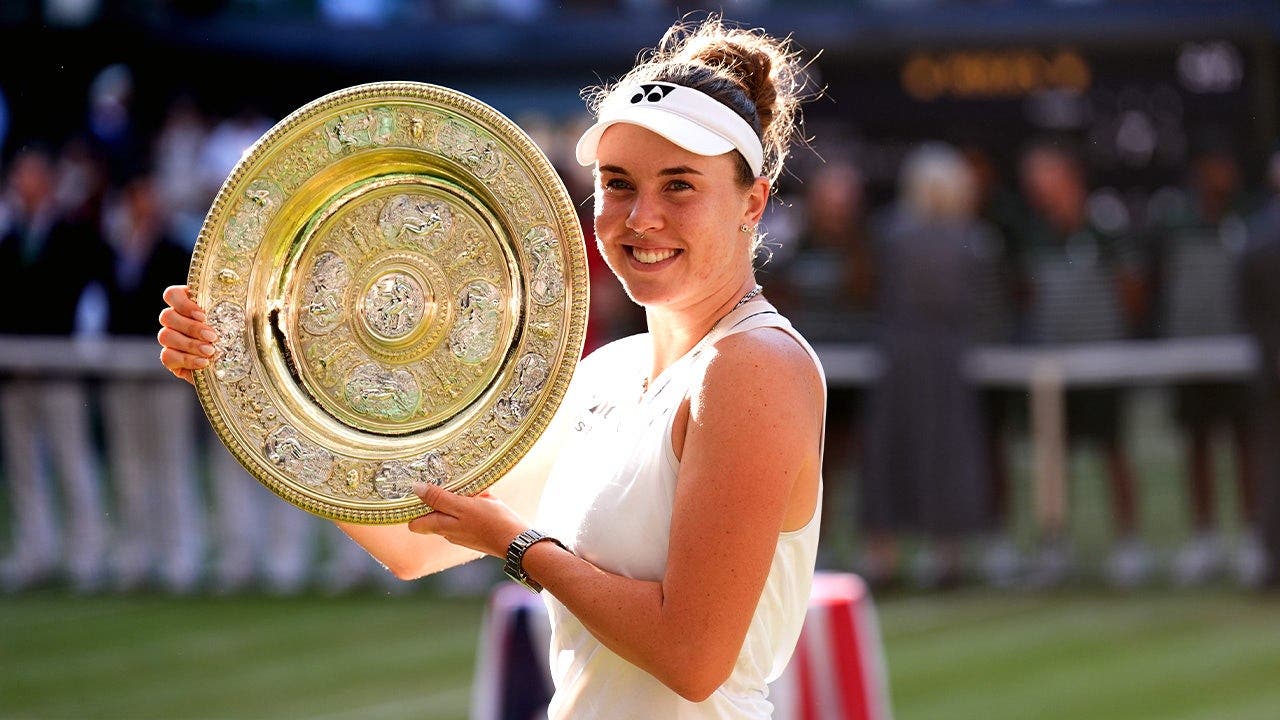
The Wimbledon women’s final between Linda Noskova and Karolina Muchova unfolded as an intense all-Czech showdown that stretched to three gripping sets, with Noskova later quipping that Muchova had become her “ex-friend” after the match; the contest blended grit, flair, and a touch of national drama while giving fans a vivid display of modern grass-court tennis. This piece walks through the mood of the contest, the personalities on court, the match’s defining moments without dwelling on precise numbers, and the broader resonance for Czech tennis. Expect close attention to temperament, technique, and the human side of elite competition.
The match opened with an electric feel as both players traded aggressive early games and subtle tactical nudges, keeping the crowd fully engaged and the momentum swinging like a pendulum. Each woman showcased different strengths—one leaning into flat, penetrating groundstrokes, the other finding angles and disguise that forced uncomfortable defensive positions. That contrast generated repeated exchanges that felt less like routine rallies and more like chess played at full speed.
Midway through the encounter the intensity ratcheted up as both competitors dug deep physically and mentally, converting tight points that often decided short sequences of play. There were moments of near silence as fans leaned in, then sudden eruptions of applause when a daring passing shot or quick net approach paid off. Those slices of drama defined the set structure and kept the match teetering on a knife edge without letting either player settle into easy rhythm.
Emotion became part of the story as well, not only in reaction to big points but in the way two countrywomen navigated rivalry and camaraderie under the spotlight. On-court conversations, brief embraces, and the occasional charged stare mixed with smiles that hinted at a complicated friendship now reframed by competition. Noskova’s later lighthearted jab calling Muchova her “ex-friend” landed as a human moment— equal parts soreness and respect—reminding everyone that elite sport often strains personal bonds while also forging memorable connections.
Technique and strategy shifted subtly throughout the three sets, with each player adapting to what worked and what did not under pressure. When one sought quick finishes with aggressive serves and follow-up volleys, the other countered by extending rallies and inviting errors, making for a tactical tango that unfolded over long games. That adaptability under heat illuminated why the final felt less like a singular performance and more like two athletes trading answers in real time.
The atmosphere in the stadium amplified everything, turning good rallies into festival moments and missed chances into collective sighs that echoed off the stands. Crowd reactions fed into the players’ tempo, and the sense that they knew each other’s games so well added a layer of psychological depth to every contesting point. That blend of intensity and intimacy is rare and explains why this final felt like both a high-stakes sporting test and a national showcase.
Post-match, gestures and comments showed both competitors balancing relief, pride, and competitive hunger; the light teasing between them underscored mutual admiration more than anything else. Coaches, team members, and fellow countrymen on the sidelines reflected a shared investment in the result, while analysts and fans debated the tactical shifts that had swung crucial moments. For players at this level, a final is never just about the trophy, it’s an accumulation of months or years of choices and moments that happen to converge under the biggest lights.
The broader significance for Czech tennis lies less in a single outcome and more in how this match illustrated depth and continuity within the national program, offering a vivid template for younger players watching at home. The all-Czech final reinforced that a small nation can still produce top-level talent through focus, coaching, and a fierce internal competitive culture. For Noskova and Muchova individually, the match will linger as a benchmark in their careers, a test of temperament and technique that both can learn from as they plan the next stretches of their seasons.
