
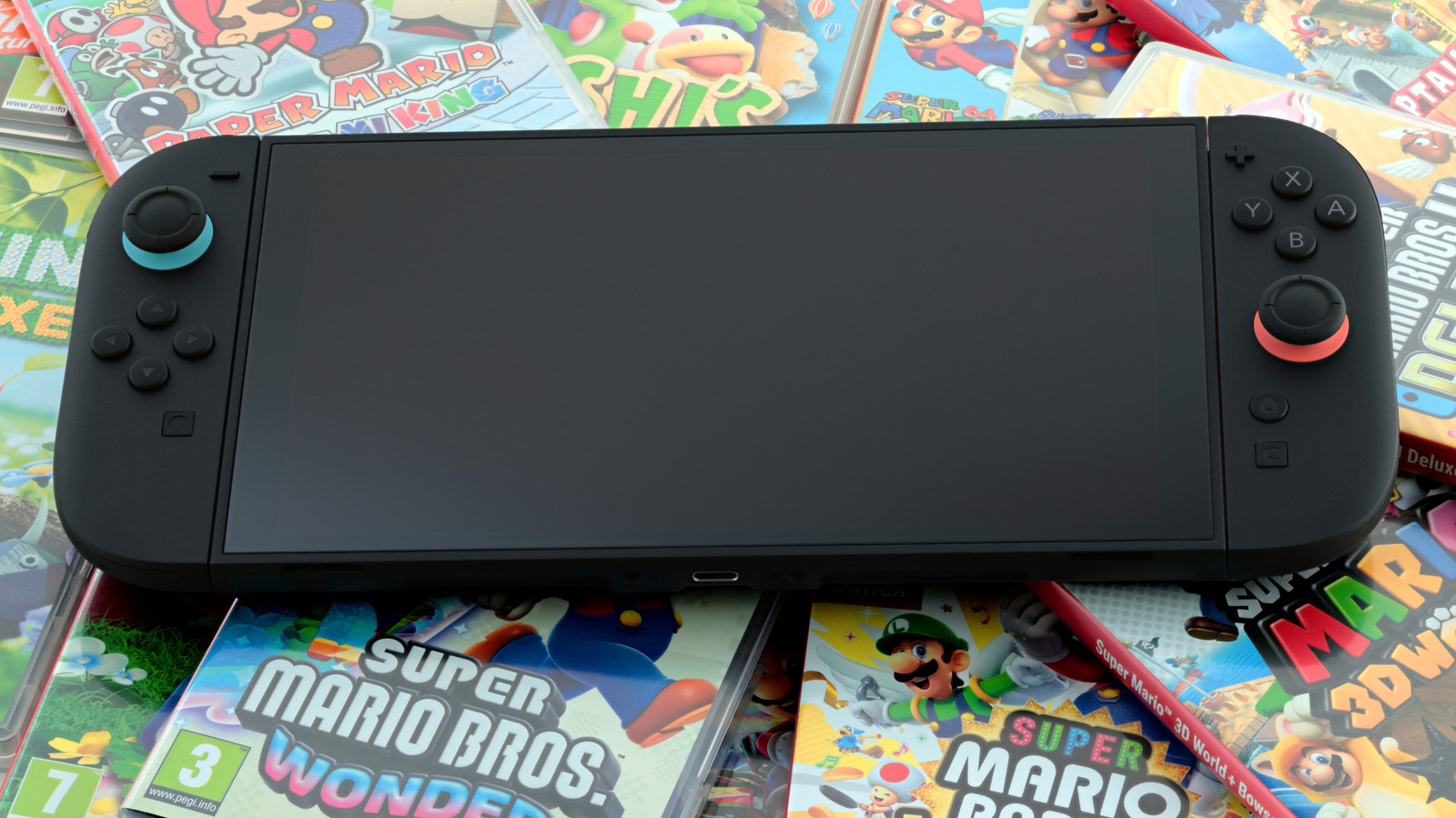
The Nintendo Switch 2 is a powerful follow-up to a beloved gaming handheld, but this piece looks at reasons you might want to pause before buying right away. We’ll run through practical downsides—from price and game library gaps to accessory costs and future-proofing—so you can decide if now is the right moment to jump in. Expect a clear, no-nonsense take on what could make waiting the smarter move.
The headline con is price. New hardware launches always carry a premium, and the Switch 2 is no exception; its sticker shock can turn a casual upgrade into a serious budget decision. Factor in a few must-have accessories and the total cost climbs fast, which matters if you already own a working Switch you’re comfortable with.
Software availability is another immediate problem for early adopters. Launch catalogs sometimes prioritize first-party titles, leaving third-party support patchy at the start. If a deep, varied library matters to you, the first year of a console cycle can feel thin compared with mature platforms.
Battery life and heat management are practical pain points many buyers underplay. Handheld gaming pushes thermal design to the limits, and initial units often get firmware updates to improve endurance and throttling. That means early owners might live with shorter sessions or unexpected performance quirks until refinements arrive.
Accessories and backward compatibility create a hidden cost and headache. Not all older Switch peripherals or Dock setups carry over seamlessly, so replacements or adapters may be necessary. Even if Nintendo supports backward compatibility on a software level, the accessory ecosystem often lags behind and can get expensive fast.
Supply and service are real-world concerns after launch. Early adopters sometimes face stock inconsistencies, long waits for repairs, or limited customer service options when demand spikes. If downtime matters to you, buying later can smooth out those bumps once distribution stabilizes.
Another angle is resale and value retention. The first wave of consoles often sees rapid upgrades and special editions that can affect resale values. Buying later, once a model’s quirks are ironed out and the market has a clear secondhand price, can protect your wallet if you plan to sell or trade in down the road.
Future updates and platform direction deserve a practical look. Early firmware can change core behaviors, and business choices—like subscription services or digital storefront policies—may evolve in ways that shift value. Waiting lets you see how Nintendo positions the Switch 2 over its first year and whether that direction fits your habits.
Finally, consider your personal gaming priorities. If you need the latest tech or a specific launch title, buying early makes sense. But if you value a broad library, solid battery life, stable accessories, and a better price-per-dollar, patience usually pays off and often saves frustration and money down the line.
