
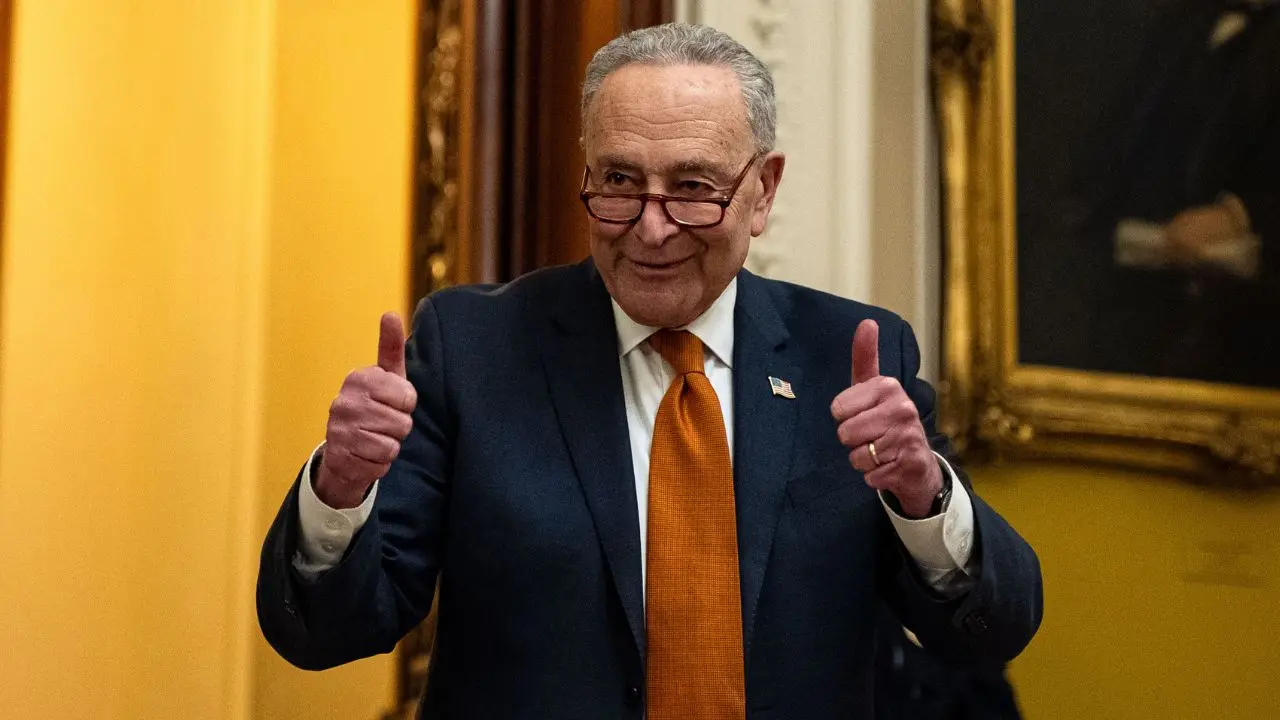
This piece argues that Senate Minority Leader Chuck Schumer’s push to reshape the beef industry is the wrong answer to high prices, explains the real supply-side causes driving costs higher, and warns that heavy-handed government fixes will do more harm than good for ranchers, processors and consumers.
Chuck Schumer has no background in ranching or meatpacking, yet he’s advancing big regulatory changes in the middle of a tight market. That’s the kind of political theater that makes headlines but does little to help families paying more at the grocery store. Fixes should match the problem, and this proposal misses the mark.
His proposal, titled “Family Grocer and Farmer Relief Act”, sounds comforting until you look under the hood. It treats complex supply chain pressures as if they were a simple legal problem that Congress can solve with a press conference. Real agricultural production does not rearrange overnight to meet political timelines.
Beef prices rose because demand grew while the national herd shrank, plain and simple. Retail demand climbed sharply after 2019 while the cattle inventory dropped to historic lows, and that math produces higher prices without any villain in a cartoon. Blaming packers instead of understanding supply cycles ignores how the market actually works.
Cattle are not widgets that can be manufactured faster when politicians get impatient. It takes years for herds to rebuild and for calves to reach market weight, and that timeline depends on weather, feed, financing and predictable rules. When policy creates uncertainty, producers delay investment and the supply shortage gets worse.
The financial picture for packers also undercuts the claim that meat processors are fattening profits at consumer expense. Industry data showed beef packer margins squeezed in 2025 and big players reported heavy losses in their beef divisions that year. Those are signs of a capital-heavy sector coping with the tightest cattle supply in generations, not of monopolists reaping windfalls.
What Schumer’s plan would likely do is inject politics into a fragile supply chain at the worst possible moment. Forced breakups and new regulatory regimes mean duplicated plants, legal fights, stalled financing and less investment. In short, the immediate effect would be more uncertainty, higher costs and slower capacity growth.
That outcome won’t hurt boutique butchers as much as it will hit working families who buy ground beef for weeknight dinners. When processing becomes costlier and financing dries up, cuts to lower-income shoppers are the first to appear. The policy should focus on lowering costs instead of reshuffling ownership for a campaign sound bite.
A better approach is straightforward: reduce unnecessary regulatory burdens, lower energy and transportation costs, and keep trade channels open to smooth short-term supply swings. Encourage investment in processing capacity and let markets signal where expansion is needed. Stability and predictable rules do more to bring herds back and ease prices than headline-grabbing political interference.
This push comes with familiar faces from the progressive wing of the Senate, including Sen. Elizabeth Warren and Sen. Bernie Sanders, who have long targeted meat consumption and industry practices. Their past rhetoric about limiting beef and expanding control over industries makes their sudden outrage about prices look inconsistent. Policymakers who advocated higher costs in the name of climate or other agendas should not now be surprised by the consequences.
Herds can be rebuilt and investment can return, but only if producers trust that policy won’t change on a whim. Let markets work, cut needless red tape and create conditions for investment instead of attempting to remake an entire industry during a supply crunch. If we remember the principles that built prosperity, we won’t sacrifice long-term stability for short-term political theater.
