
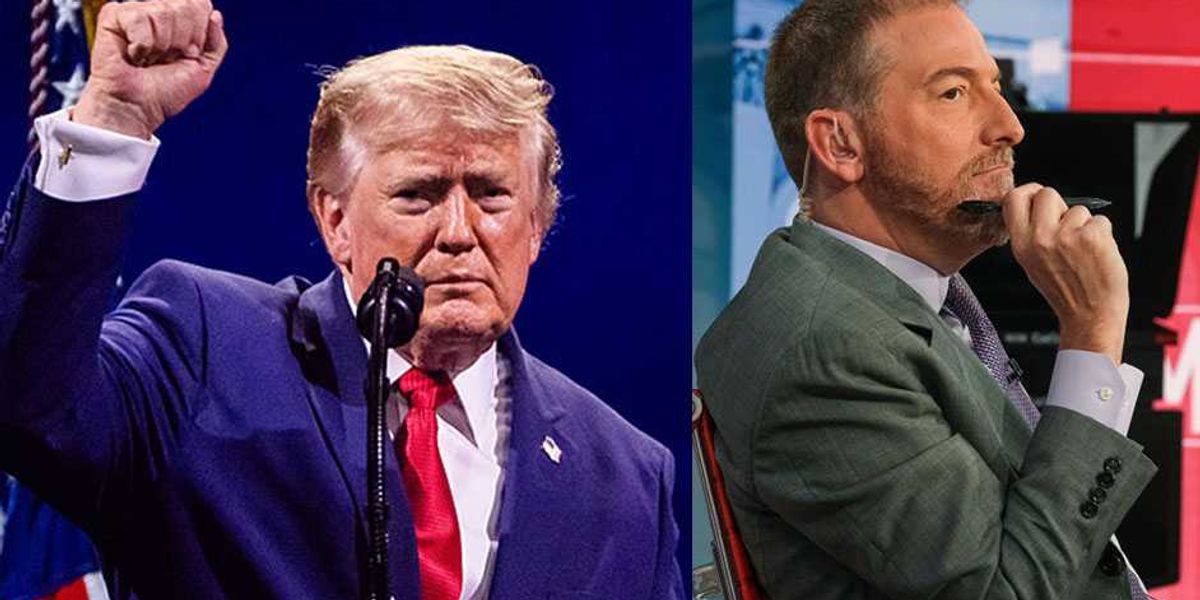
The July 4 America 250 celebration in Washington turned into a defiant show of patriotism despite brutal heat and a severe storm, and it exposed a gulf between ordinary Americans who showed up and a media figure who spent the holiday seething. This piece follows the crowd that refused to be chased away, the president who led the pageantry, and the former NBC host who declared the event a national embarrassment.
Scorching heat and a thunderstorm forced an evacuation on the National Mall, yet a massive number of people made their way back once the danger passed. Estimates put the returning crowd into the hundreds of thousands, all gathered to witness a high-energy celebration and an evening of fireworks. The scene showed a public that wanted to celebrate the country loudly and proudly.
Many attendees were soaked and bedraggled but upbeat, treating the delay as a minor disruption to a historic party. President Donald Trump stood before them and delivered a speech that fed right into the festive mood, closing the night with a fireworks show that held the crowd’s attention. For a lot of Americans, the whole event felt like a proper birthday for the nation.
Not everyone reacted the same way. Chuck Todd, the former “Meet the Press” host, reacted angrily to the spectacle, framing it as a political problem rather than a national celebration. On his podcast he even wheeled out a bitter line: ‘I feel betrayed.’ That feeling set the tone for a sustained gripe session aimed at the president and the turnout.
On “The Chuck ToddCast” he unloaded a sweeping claim: “Donald Trump has ruined the American brand and the American birthday celebration” by supposedly turning the event into an endorsement of one person. He argued that the pomp and production made the holiday seem partisan, and he sounded offended that the crowd responded with enthusiasm rather than guilt. His rhetoric aimed to recast the festivities as an affront instead of a reunion.
Todd suggested the country would be better served by “hokey and bland” ceremonies that kept the temperature of patriotism safely moderate and unmemorable. He even dismissed high-production moments as inappropriate for a national birthday, as if a polished celebration somehow erased history. That attitude read like a demand that public joy be filtered through a narrow set of acceptable expressions.
He spent time listing the things he thinks are legitimate markers of love for the country — military displays, memorials, traditional symbols — but he made it clear that his favorite scene was a quiet naturalization ceremony. From his perch that form of patriotism ranks above loud displays and mass jubilation. The criticism was less about what happened and more about whom it pleased.
Todd also said the festivities did not sufficiently “make room for other people’s patriotism too,” arguing that the event favored a certain brand of national pride. That line revealed what critics of the media often point out: an insistence that some forms of patriotism are pure while others are suspect. For many people who showed up, waving flags and cheering felt like the most natural way to mark the holiday.
He doubled down with a longer moralizing passage: “Patriotism is not being afraid of history. It is not pretending the country was perfect in 1776. It is not acting as if the only way to love America is to sand off every rough edge and call the result pride,” said the podcaster. Those sentences were meant to define a more reflective, chastened love of country, but they read to many as a rebuke to anyone who finds joy in pageantry.
His tone tipped into personal grievance when he returned to the refrain, “I am so angry and feel betrayed,” whined Todd, and then added, “I feel betrayed as an American by him on this.” The dramatic language framed the celebrations as a personal affront rather than a national festival. It also underscored how deeply divided reactions to the same event can be.
Trump closed the night with a clear, unapologetic message about America: “We have thrived and flourished because our founders were great. Our cause was just. Our people are brave. Our culture is exceptional. And our destiny is written by God.” For the crowd gathered on the mall, that line landed as a rallying cry and a fitting capstone to a 250th birthday the public chose to celebrate on its own terms.
