
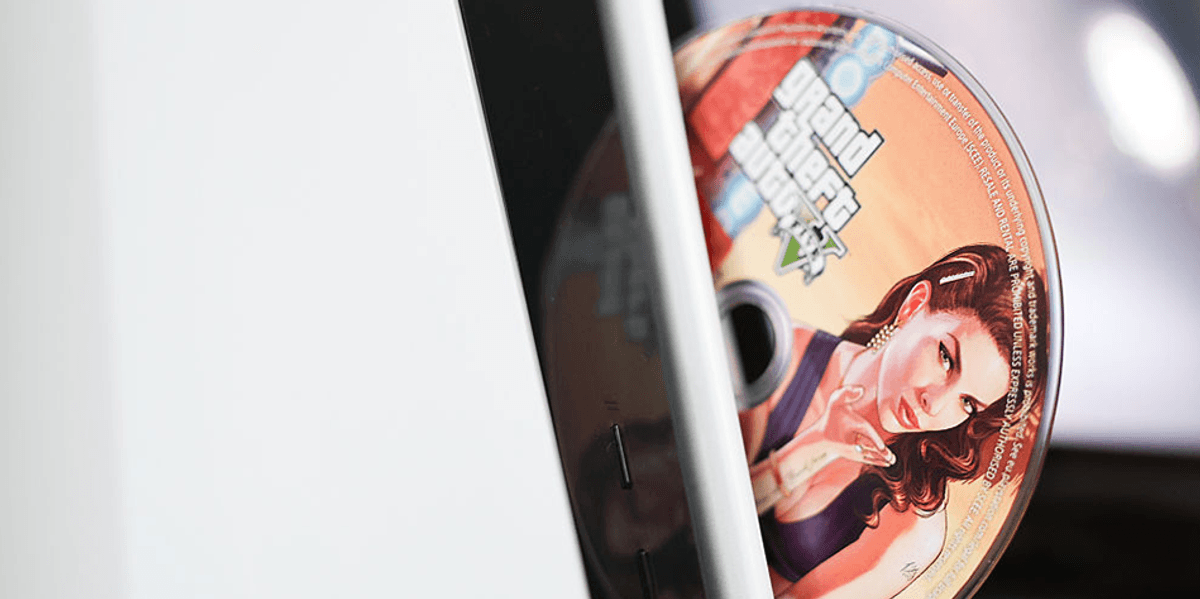
Sony’s decision to phase out physical PlayStation discs kicked off a chain reaction of mocking responses from big brands and sharp commentary from the gaming community, sparking a wider debate about ownership, convenience, and the future of media access.
Sony announced it will stop producing physical game discs and plans to end disc production entirely by January 2028. The move hit social channels fast, turning frustration into a viral wave of parody and corporate ribbing within hours. What started as gamer backlash quickly became a global gagfest as brands leaned into absurd reversals to lampoon the shift to all-digital libraries.
KFC Spain piled in almost immediately with a theatrical take. “BREAKING NEWS: KFC will stop offering its physical format starting today,” KFC Spain at about 3 a.m. ET. “Its products can only be consumed through its app in fake PNG format.”
The chicken chain followed that with a tongue-in-cheek nod to the old anti-piracy spot, riffing on the 2004 “you wouldn’t steal a car” campaign and replacing it with fast-food flavor. They leaned into the parody with the line “You wouldn’t steal fried chicken.” and a set of playful menu mockups. The whole bit was an exercise in satire, using digital absurdity to highlight how strange a world without physical goods might feel.
Domino’s U.K. also joined the chorus with a quieter, sarcastic jab at Sony’s logic, pointing out the practical oddities of going fully digital for something as tactile as pizza. Domino’s U.K. the digital switch “makes about as much sense as us changing to digital pizzas.” They doubled down with, “They took Blockbuster from us; now the gaming aisle.” and later teased their own purely virtual product line.
Domino’s then posted a mock press release of its own: “Domino’s UK will cease production of physical pizzas and shift to production of digital pizzas only,” the post . “Consumers will be able to download our full range of delicious pizza codes and, using the power of the imagination, enjoy them in an entirely virtual sense.” The joke landed squarely on the absurdity of swapping physical experience for a file.
Hardware makers and services joined the satire too. GameSir took aim with a claim its production would pivot away from physical controllers and toward something far less literal, saying the company “will fully cease the production of physical controllers,” to be replaced by “quantum entanglement and pure imagination.”
Even security and privacy companies flipped the script. Proton played its own reversal by spoofing a shift toward physical-only offerings, promising “… encrypted letters hand-delivered by our team … [and] someone who follows you around and remembers your passwords.” They framed it as an intentional, comedic undoing of the digital conveniences people expect today.
Brands used these mock announcements to make a point: discarding physical formats isn’t just a logistic change, it’s an emotional and cultural shift. The jokes point at real anxieties over control, durability, and whether consumers truly own what they buy when it’s distributed as bits on servers. That unease fuels much of the online heat aimed at companies that move aggressively into digital-only models.
The conversation also pulled in thoughtful warnings from creators. Hideo Kojima resurfaced a prior observation that warned of a future where digital ownership erodes. He wrote that “Eventually, even digital data will no longer be owned by individuals on their own initiative.” and cautioned that a “major change or accident” could suddenly cut off access to media people thought they owned.
Kojima’s voice resonated because recent actions feel like proof of concept: when platforms remove titles or alter libraries for licensing reasons, users lose access instantly. “We will not be able to freely access the movies, books, and music that we have loved. I would be a have-not. That’s what I’m afraid of. This is not greed,” Kojima . Those lines land hard when services quietly remove or restrict purchased content.
This mix of satire, corporate mockery, and serious concern has pushed the discussion beyond gamers into mainstream media culture. Whether brands are jesting or analysts are warning, the debate now centers on ownership rights, longevity of digital goods, and how companies should handle the promises they make to customers as the industry moves further into streaming and downloads.
