
The inline-six engine has quietly powered everything from rugged off-road rigs to sleek performance sedans, and this piece looks at why that straight-six layout still matters today and how it keeps finding new life across decades of automotive design.
There’s a simple elegance to the inline-six: six cylinders in a straight line, firing in an order that feels balanced under acceleration. That geometry doesn’t just look neat under the hood, it solves problems that V configurations chase with complexity and extra parts. Engineers keep returning to it because it can deliver smooth torque, predictable behavior, and a character drivers appreciate behind the wheel.
Older Jeeps and light trucks used the layout because it was durable and easy to maintain in the field, traits that matter when you’re counting on a vehicle for work or adventure. The design’s inherent balance reduces vibration, which means less stress on components and longer life for the whole driveline. Those practical strengths built a reputation among mechanics and owners that keeps the inline-six relevant in classics and restorations.
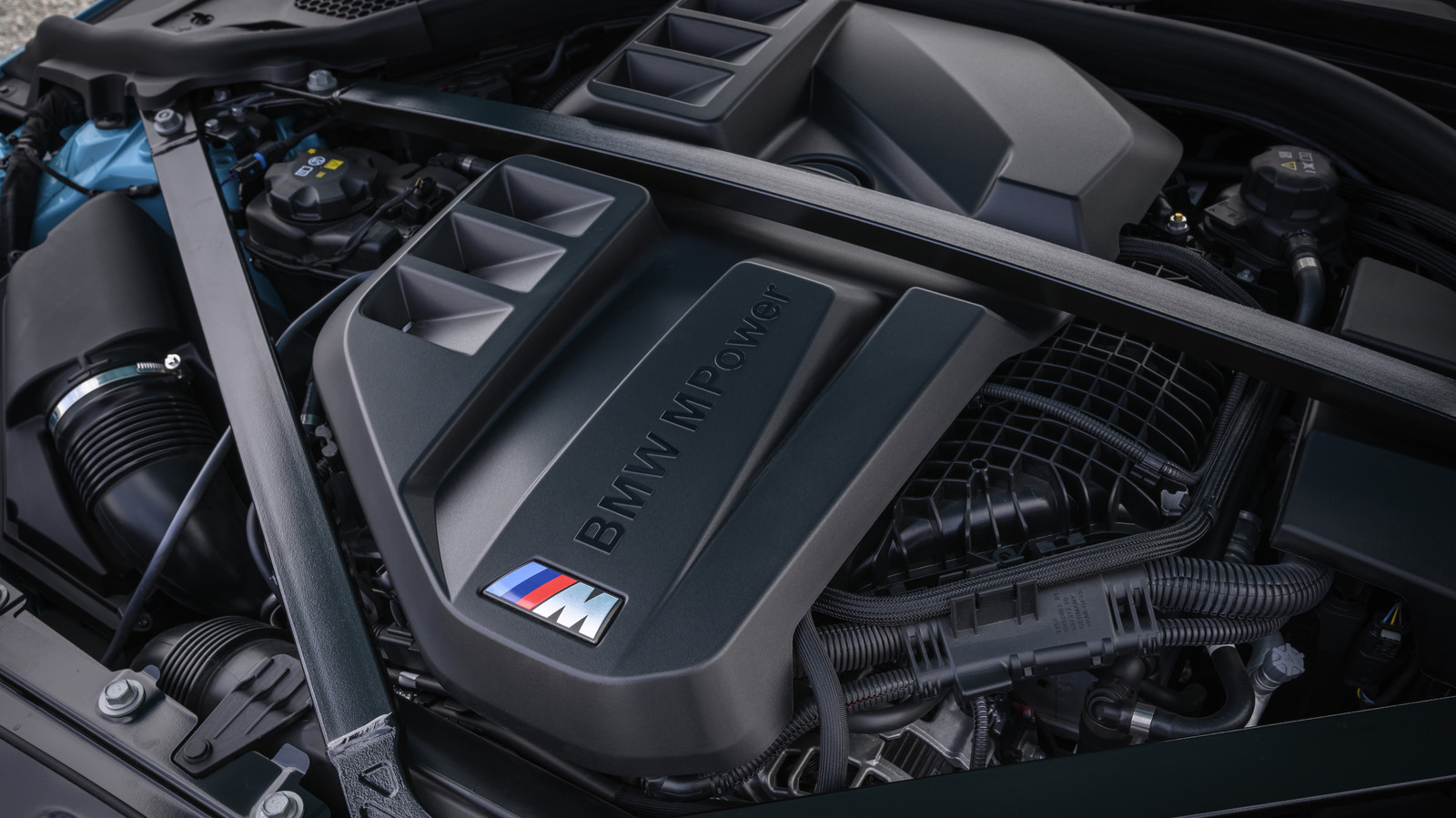
Fast-forward to modern times and you find the inline-six reborn in high-tech performance cars where refinement and power go hand in hand. Brands like BMW have leaned into the layout as a way to smooth out the powerband while packaging advanced turbocharging and emissions tech. The result is an engine that feels planted and linear, delivering thrust without the twitchiness some multi-turbo V6s can exhibit.
Packaging used to be the downside: a long straight-six can be unwieldy in tight engine bays, pushing designers to favor compact V configurations. But clever architecture and modular platforms have eased that concern, letting automakers tuck straight-sixes into modern chassis without sacrificing crash structures or cabin space. That cleverness makes the layout practical again, blending heritage with the spatial realities of modern car design.
From a maintenance perspective, the inline-six often wins on simplicity. You’re more likely to get straightforward access to spark plugs, fuel rails, and timing components compared with cramped V engines. That accessibility matters to DIY owners and independent shops, translating into lower repair friction and sometimes cheaper long-term ownership costs.
Performance tuning also benefits from the layout’s natural attributes; the smooth torque curve pairs well with forced induction and modern engine management. Tuners can push boost and timing aggressively without dealing with odd firing imbalances, so power upgrades feel predictable and linear. That makes the straight-six a favorite for people who want a refined baseline that responds well to sensible performance mods.
There’s also a sensory side to the story. The way an inline-six delivers power has its own soundtrack and sensation, a kind of effortless roll that many drivers find addictive. It’s not brute force, it’s a steady and confident shove that encourages smooth inputs and confident corner exits. That character explains why some enthusiasts will choose a car for the way it drives and sounds as much as for raw numbers on a dyno sheet.
Looking ahead, emissions rules and electrification will shape engine choices, but the inline-six isn’t necessarily doomed. Hybridization and electric assist can pair naturally with the straight-six’s smooth output, masking emissions constraints while preserving that driveline feel. And for manufacturers that want to keep a distinct driving identity, the inline-six offers a credible path to balance heritage and modern efficiency.
In short, the inline-six survives because it answers core questions of balance, serviceability, and driving feel without overcomplicating the solution. Whether tucked into a restored Jeep or tuned in a contemporary luxury sedan, the straight-six keeps proving its worth by being both useful and enjoyable. Its continued presence on the road feels less like nostalgia and more like the persistence of a smart engineering choice that still makes sense today.
