
This piece walks through the controversy around FIFA clearing Folarin Balogun and Belgium’s formal objection, tracks the timeline and arguments from both sides, explores what it means for the US roster and Monday’s match, and looks at the wider implications for eligibility rules and federation disputes in international soccer.
Belgium has publicly challenged FIFA’s late decision to allow Folarin Balogun to play, arguing that the ruling conflicts with the federation’s own disciplinary code. The complaint is direct and procedural, not a personal attack on Balogun, and it centers on interpretation and timing. Federations rarely escalate like this, which is why the story has drawn attention beyond the match itself.
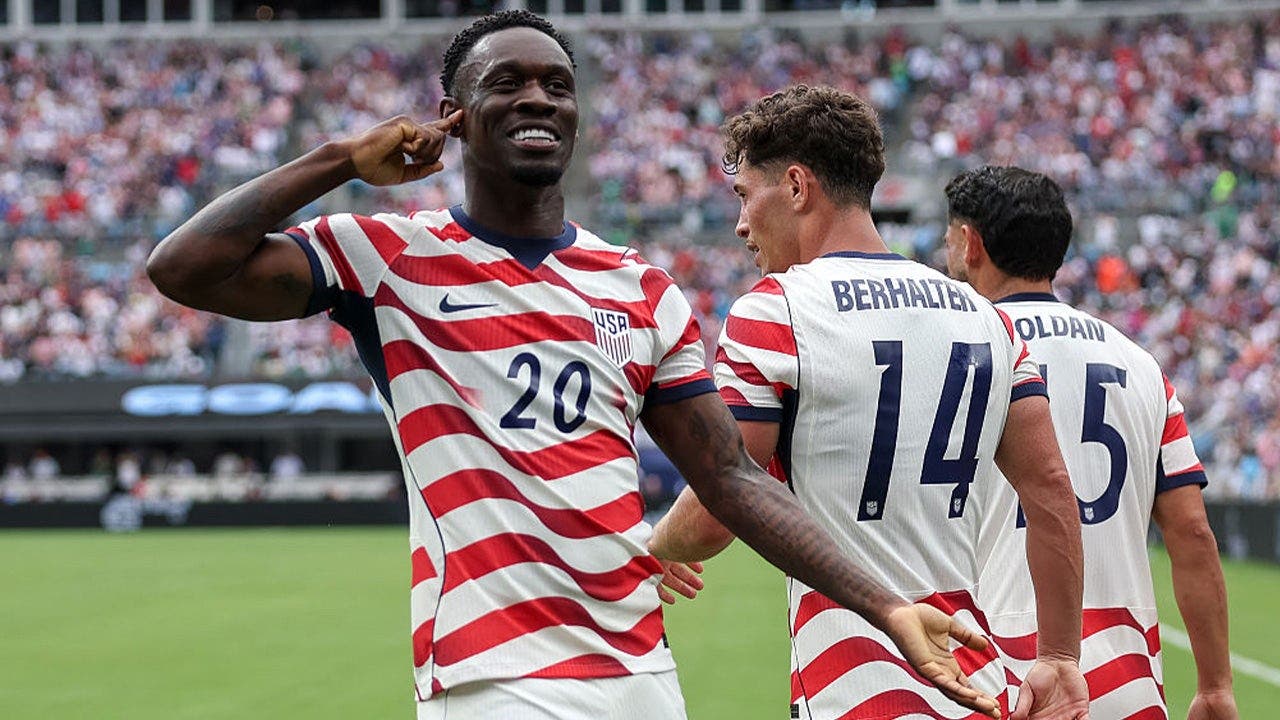
Folarin Balogun is the figure at the center of the case, and his availability for the upcoming game is suddenly entangled with paperwork and precedent. Fans and pundits are focused on whether he will step onto the field on Monday, and what his presence means for the US attack. The player himself has stayed largely quiet, letting officials handle the dispute while preparation continues.
From Belgium’s perspective the issue is fairness and consistency: if FIFA made an exception or interpreted rules in a way that deviates from prior practice, that undercuts trust. National associations expect predictable, uniform application of regulations, especially when last-minute decisions can tilt a tie or knock a team out. That sense of procedural justice fuels Belgium’s objections more than the game-day impact.
FIFA’s side is about interpretation and authority: the organization has to weigh eligibility rules, precedent, and the specific facts around Balogun’s case. FIFA handles a lot of complex nationality and disciplinary matters, and sometimes the tight timelines of tournaments force hairline decisions. The federation will argue that their ruling fits established guidelines or fills a gap consistent with past practice.
For the United States, this controversy is an awkward distraction but not necessarily a debilitating one. The roster is deep, and coaches will prepare as if Balogun could be cleared or sidelined at any moment. When administrations clash, players are left in an odd middle ground, balancing club loyalties, national team calls, and the legalistic side of international soccer.
Beyond the immediate match, this case could set a tone for future disputes. If FIFA’s decision stands and is seen as discretionary, federations may push back more often when outcomes look unfavorable. Conversely, if FIFA’s ruling is upheld with clear legal rationale, associations might be nudged to resolve eligibility questions earlier in qualification cycles to avoid last-minute flare-ups.
There’s also a public relations layer. Supporters want clarity and honesty; national federations need to be seen defending their players and principles. Belgium’s public stance signals to its own supporters that it will contest rulings it views as irregular. That posture can resonate domestically while rattling nerves in rival camps who prefer quiet diplomacy over headlines.
Legal experts will be parsing the disciplinary code and prior cases for months, looking for precedents and distinctions. These documents are dense and technical, but they matter because international soccer rests on rules that are often interpreted, not rewritten, in the moment. The Balogun situation will likely be cited in future disputes as a touchstone for how flexible FIFA can be when timing matters.
At the pitch level coaches and players must block out the noise and focus on the tactical job at hand. Managers rarely get useful clarity from off-field fights, so they plan contingencies and adjust lineups as needed. For supporters watching Monday’s match, the drama off the field becomes part of the narrative, but the game’s outcome will still hinge on performance in the 90 minutes plus stoppage time.
Media coverage will keep the story alive while official channels sort the paperwork. That attention has a two-way effect: it pressures decision-makers to publish reasoned explanations, and it intensifies fan reactions regardless of the final legal outcome. For the sport, transparency around such rulings helps maintain credibility even when rulings are unpopular with one side.
The bottom line is clear and simple: “Belgium says FIFA’s last-minute decision to clear Folarin Balogun violates its own disciplinary code, as the American striker prepares for Monday’s match.” How FIFA responds, and whether Belgium’s objection prompts a formal reversal or simply a detailed justification, will shape both the immediate fixture and the broader way federations handle eligibility disputes going forward.
