I’ll explain how the national anthem ended up wearing borrowed music, trace the melody’s London origins, describe the Anacreontic Society that first sang it, explain why the tune is so fiendishly hard to sing in a crowd, and note how the song drifted into American life after Fort McHenry.
Most people can rattle off the words to our national anthem, but the tune is a transplant. The melody Francis Scott Key fit his lines to came from an English piece called “To Anacreon in Heaven,” originally connected to a London music club rather than to any American parade or battlefield. That fact surprises a lot of listeners who assume the anthem was born in the United States along with the lyrics.
The group behind the tune, the Anacreontic Society, met for concerts, dinners, and performances where members entertained each other with new songs. Its rolls showed a curious mix: peers, commoners, aldermen, gentlemen, actors, and tradesmen all mingled at the same table. The society treated music like a civic ritual, blending social life and performance in a way Americans of the early republic would later recognize but not replicate exactly.
The piece often gets labeled a drinking song, but that image misses the tone. It was convivial and somewhat formal, meant for a polished soloist to sing the verses while the society joined on the lively refrain. That arrangement explains why the melody asks so much of anyone trying to carry it alone in a crowded venue.
Francis Scott Key set his end-of-battle lines on September 14, 1814, after watching the British hammer Fort McHenry, and he chose a tune his readers would instantly know. Americans had already written many new lyrics to that melody by the end of the 18th century, and the habit stuck: by 1820 there were recorded dozens of different sets of words attached to the same tune. It was familiar currency, not fresh composition, which made Key’s verses take hold quickly.
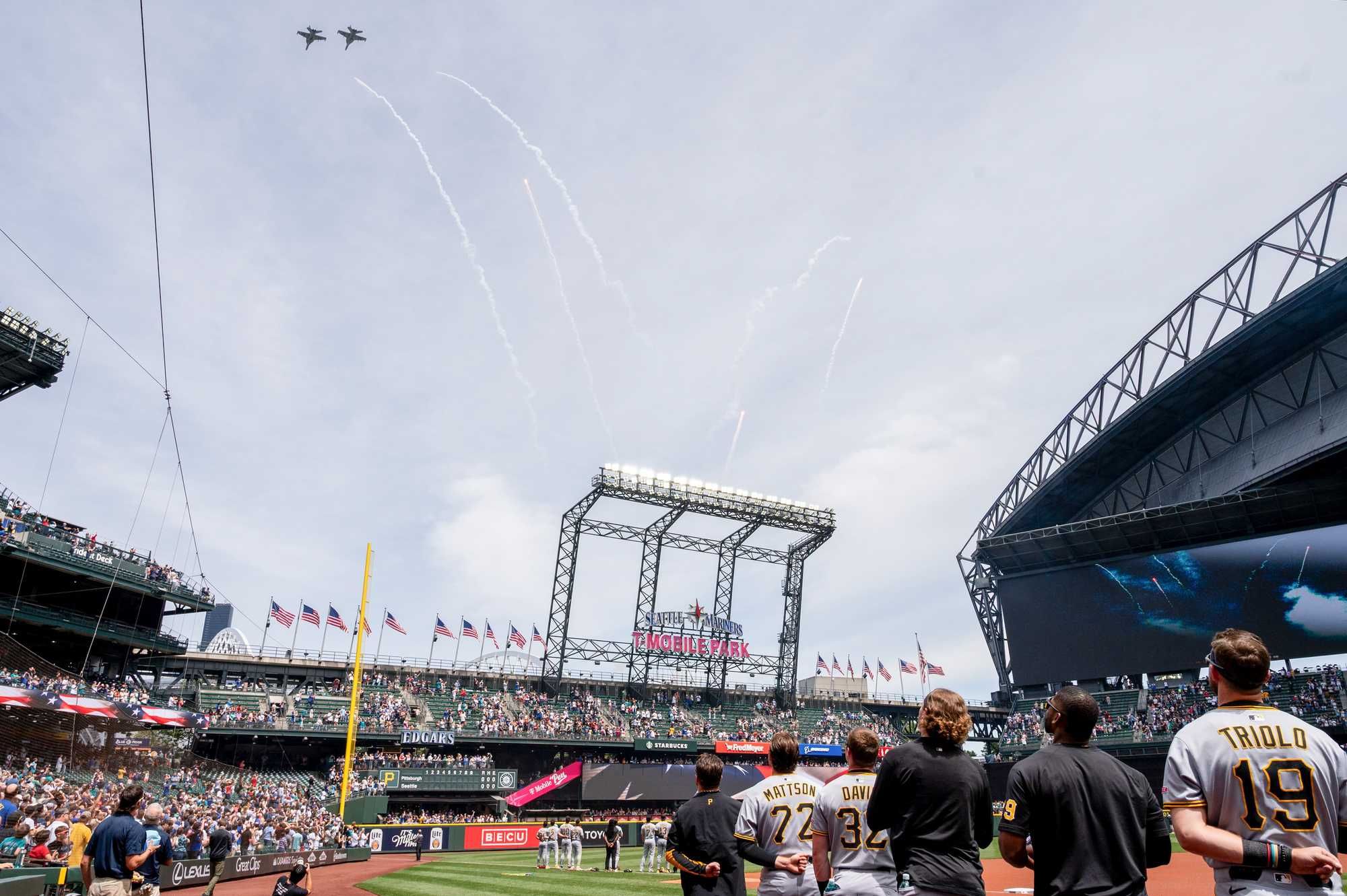
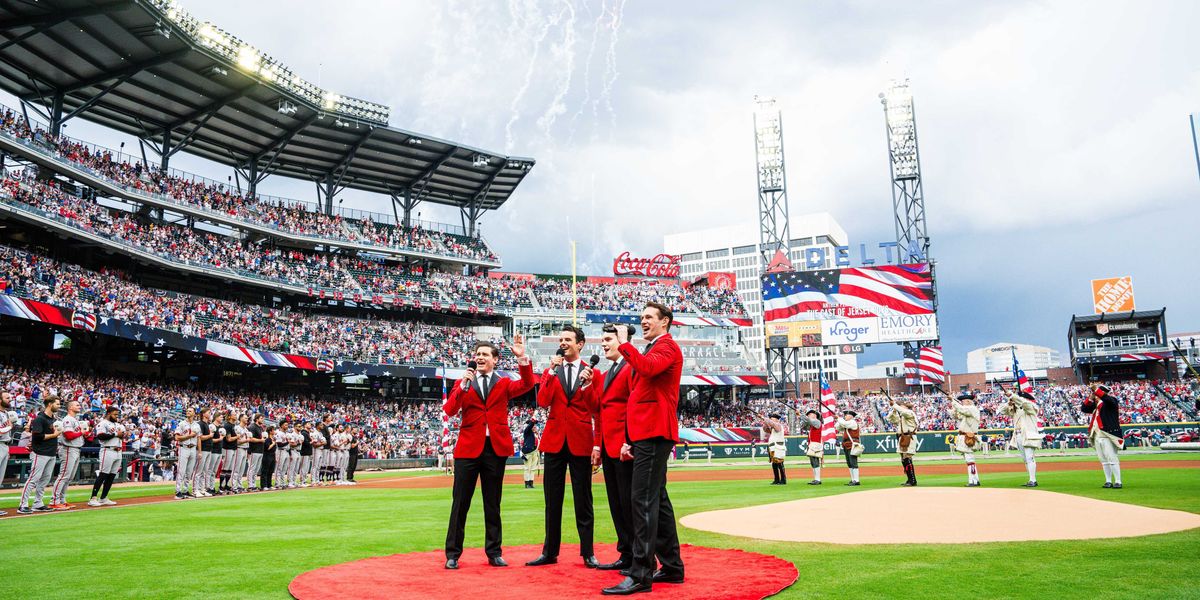
The anthem’s vocal demands come straight from its pedigree: it was crafted for a trained soloist and a particular kind of performance, not for tens of thousands of voices in a stadium. “The next time you bail on the high note at a ball game or a July 4 cookout, don’t blame your lungs.” The song spans a wide range and jumps in awkward places, so the strain comes from the music itself rather than from any individual singer’s lack of patriotism.
For a long time the composer of that original tune was unclear, and scholars debated authorship. It wasn’t until the 1970s that John Stafford Smith was credibly identified as the man behind the melody, after a librarian in the Library of Congress pieced the trail together. That late attribution only deepens the odd sense that an anthem so central to American ritual arrived by way of a detective story in music history.
Music migrates in strange ways, and the Star-Spangled Banner shows how a melody tied to London dinner tables wound up in American ceremonies. The tune’s journey from an 18th-century gentlemen’s club to baseball games and Fourth of July gatherings is a reminder that national traditions often carry unexpected stitches from other cultures. And when the pitch feels out of reach, the blame can be placed squarely where it belongs: on a song that was never designed for millions of singers at once.