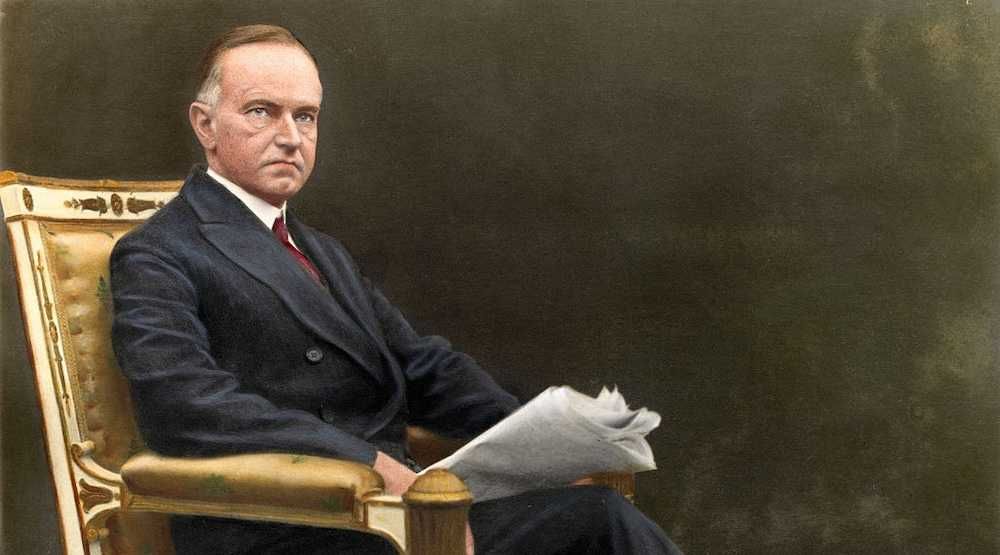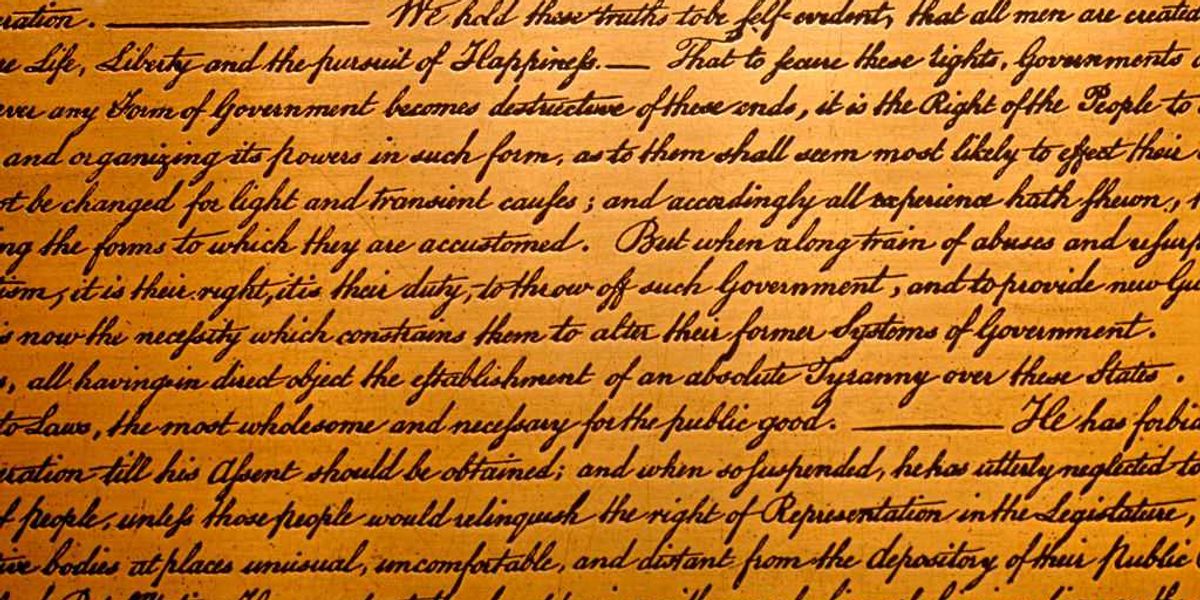
The Declaration of Independence is more than a historical document; it is the moral frame that shaped a nation. Calvin Coolidge, speaking on the 150th anniversary, argued that those founding propositions are spiritual, final, and essential to the character of American government.
Coolidge opened by marking the wonder of a nation’s birth and why Americans return to that moment with reverence. He insisted that the Fourth of July is not just a date on a calendar but a yearly obligation to remember the principles that made self-government possible. That sense of reverence is what keeps the nation from becoming merely a collection of conveniences.
He noted that the respect shown to the Declaration across the world was not accidental but earned by the durable power of its ideas. The document, Coolidge said, stands as “the preeminent support of free government throughout the world,” a claim that still rings true. Its authority comes from the truth of its propositions, not from force or fashion.
Great ideas, he reminded listeners, do not arrive all at once. They grow, often slowly, until their importance becomes clear. The Declaration’s claims about equality, rights, and consent of the governed were the result of deep, deliberate thought, not a sudden inspiration.
“No advance, no progress can be made beyond these propositions.”
For Coolidge, those three propositions are not negotiable. If all men are created equal, that is final. If people have inalienable rights and government derives power from consent, those are not starter points for experimentation but bedrock commitments.
He argued that the Declaration is essentially a spiritual document, and that is where its strength lies. Equality, liberty, and popular sovereignty are ideals rooted in beliefs about human dignity, not mere policy choices. If the public abandons those convictions, the legal structures that protect them will weaken.
Coolidge warned against letting government shoulder every civic responsibility. Laws can be passed and institutions set up, but ideals come from the people themselves. The character of a nation is formed by how its citizens observe laws, not by the existence of laws alone.
He also pushed back on the idea that newer ideas are automatically better. Progress cannot mean discarding principles that are timeless. To reject the Declaration’s propositions is not to reach the future but to move back toward an age without rights or equal standing.
In Coolidge’s view, those who claim to be modern by denying the founders are actually speaking the language of the past. Calling such views progressive is a mislabel. The founders’ insight created the conditions for material prosperity and scientific advance by placing spiritual principles first.
Material success, he noted, is fragile without moral bearings. Wealth and technology can be impressive, but they do not by themselves secure liberty. When spiritual commitments fade, abundance becomes hollow, and institutions lose their guiding light.
The remedy Coolidge offered was straightforward: maintain the faith that produced the Declaration. Citizens must cultivate reverence for the ideals that inspired the founders and keep those altar fires burning in public life. Only by sustaining that moral core can the nation preserve the heritage it received.
Coolidge asked Americans to consider whether the Declaration still commands their belief and loyalty. His message was a reminder that freedom depends on more than laws and courts; it depends on a people committed to enduring principles. That challenge remains as relevant now as it was a century ago.