
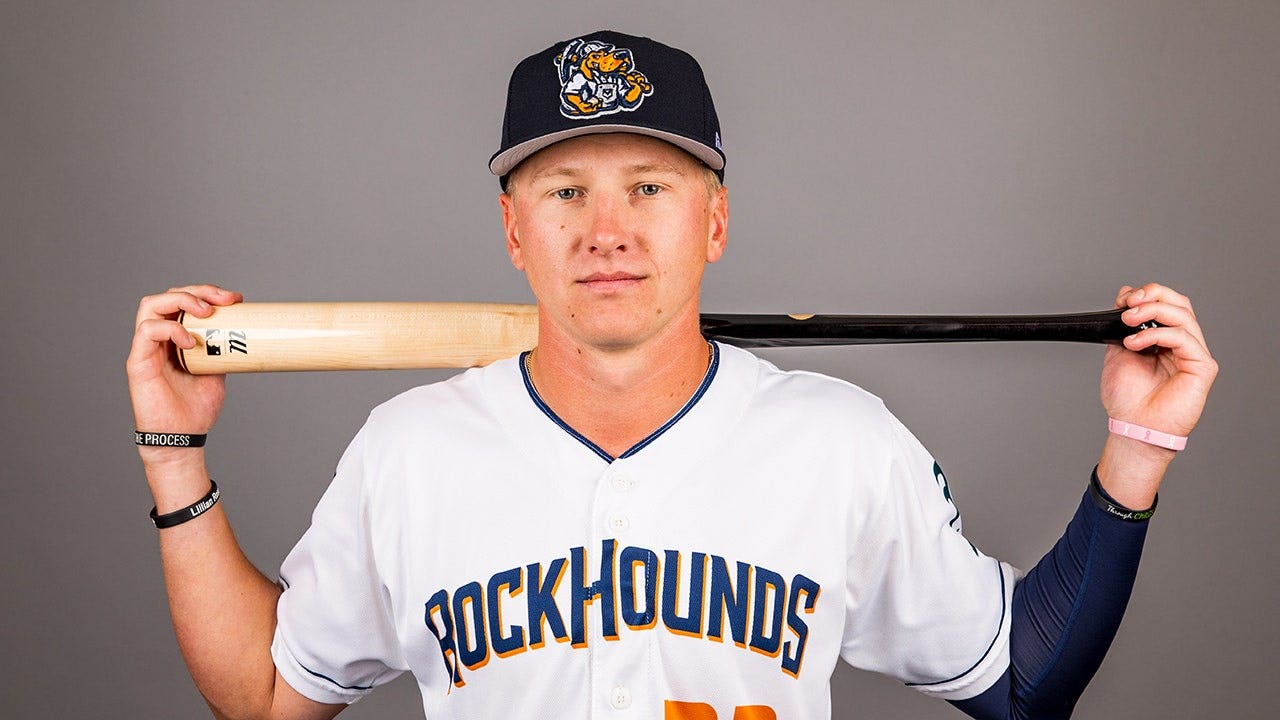
Athletics prospect Ryan Lasko remains unable to feel his lower body after spinal surgery to fix fractured vertebrae sustained in a frightening outfield collision; this piece traces the incident, the immediate medical response, the challenges of spinal injury recovery, the emotional toll on a young athlete and his community, and the realistic hopes for rehabilitation and life beyond baseball.
The collision happened chasing a fly ball and changed everything in an instant. What looked like a routine play became a nightmare when impact fractured vertebrae and left Lasko requiring urgent spinal surgery. The shock of the injury traveled far beyond the field, rattling teammates, coaches and fans who watched a promising career hit a hard pause.
Surgery was immediate and necessary to stabilize the spine and prevent further damage. Even with successful repair, nerves don’t always bounce back quickly and sensation can lag or fail to return entirely. Right now, the most obvious and painful reality is that he cannot feel his lower half, a brutal reminder of how fragile athletic bodies can be.
Recovery from spinal trauma is a marathon, not a sprint, and it often involves a rotating cast of specialists. Neurosurgeons, rehabilitation physicians, physical therapists and occupational therapists all play parts in the long haul back. Each milestone is measured in small wins, from tiny flickers of movement to the slow relearning of basic motor skills.
The mental side of this journey is as crucial as the physical work. For a young athlete whose identity has been wrapped up in speed, agility and competition, confronting sudden loss of mobility thrusts him into unfamiliar territory. Mental health professionals and family support become part of the medical plan because resilience is built as much in the mind as in the gym.
Team culture matters when a prospect is sidelined by something this severe. Teammates show up, coaches shift focus from stats to support, and an organization’s infrastructure can make a real difference in care continuity. The clubhouse becomes a second family, but there are limits; the real work happens in clinics, therapy rooms and at home when the cheering stops.
Medical outcomes after spinal surgery run a wide spectrum depending on the injury level and nerve involvement. Some patients regain meaningful function, others face permanent changes, and many settle somewhere in between. Modern rehab techniques, adaptive equipment and intensive therapy offer routes to more independence, but none are guaranteed shortcuts.
Financial and logistical challenges quickly stack up in cases like this. Long hospital stays, repeated imaging, extended therapy and adaptive housing or vehicle modifications add serious costs and logistical headaches. Community fundraising and team-led support help, but the practical day-to-day adjustments are where families encounter the real burden and find out how resilient their networks are.
Stories like Lasko’s also force a reexamination of on-field safety and emergency response protocols. Teams and leagues review collision rules, communication systems and sideline medical readiness because prevention matters and rapid response can change outcomes. Players deserve an environment that prioritizes health over spectacle, and this incident underscores why that commitment can’t be lip service.
Hope in these situations is not the same as optimism without a plan. It’s a strategic, step-by-step commitment to recovery that blends realistic goals with the stubbornness that defines many athletes. Whether Lasko returns to professional baseball or finds a new path, his story will be shaped by medical care, relentless rehab and the community that refuses to let him navigate this alone.
Support from fans and former teammates pours in, but the next months and years will be defined by work in clinics and quiet moments at home. Progress may come in inches rather than months, and every little improvement will mean a lot. For now, the entire baseball world watches, hopes and waits as Ryan Lasko fights to reclaim as much of his life as possible after that terrifying collision.
