
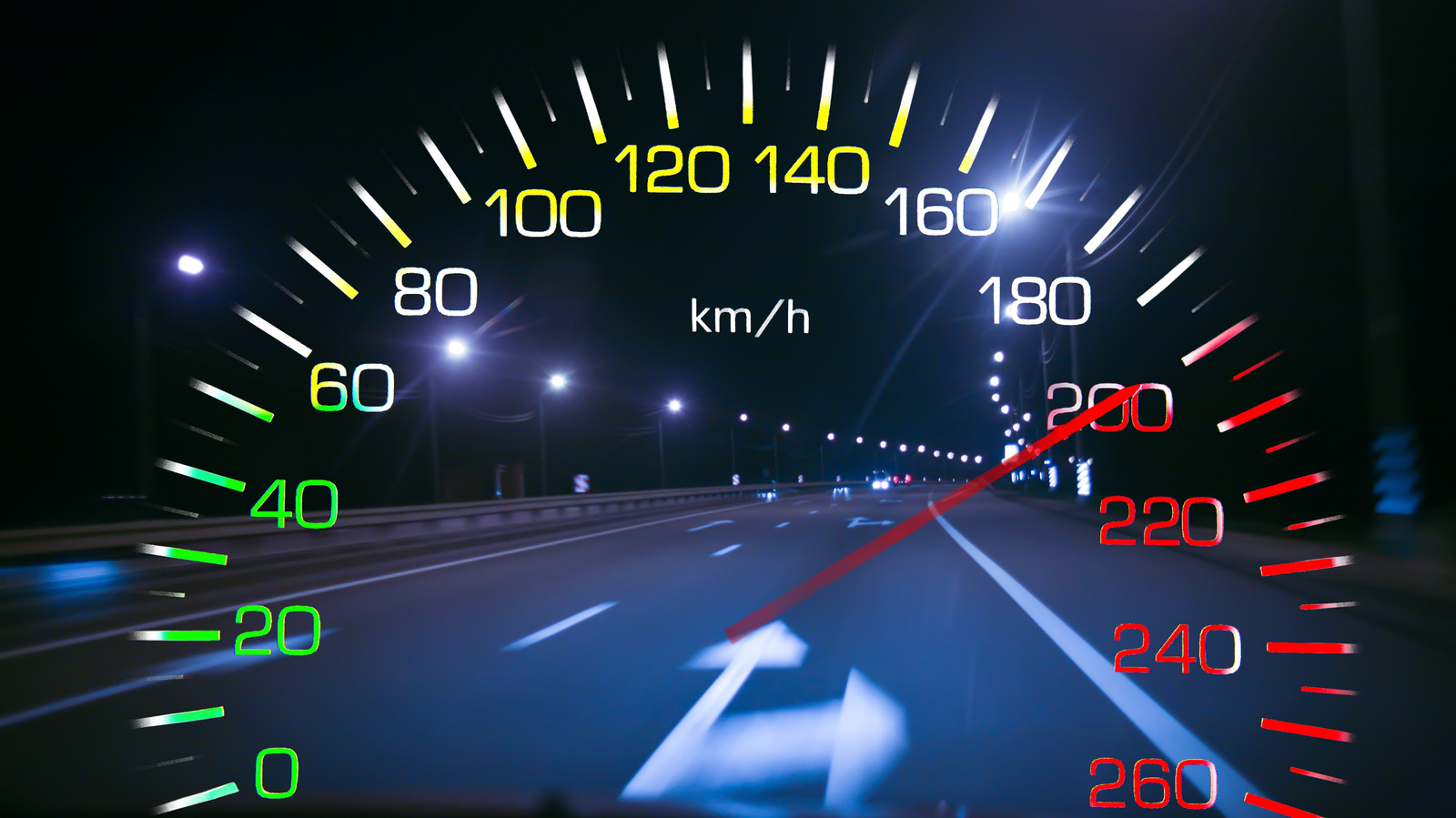
I’ll explain what a speed limiter is, outline the main types, show how modern systems actually control speed, describe what happens when you hit the limit, cover commercial regulations, and flag the risks of tampering.
A speed limiter is a built-in guardrail that keeps a vehicle from exceeding a preset speed. Manufacturers and regulators use them to improve safety, cut fuel waste, and meet legal limits. Drivers often notice only a gentle nudge from the engine or an on-dash warning when the limiter starts doing its job.
There are two broad families of limiters: older mechanical governors and modern electronic systems. Mechanical units used centrifugal weights and linkages to physically restrict throttle travel. Electronic limiters rely on wheel speed sensors, the engine control unit, and throttle-by-wire systems to enforce a ceiling without moving parts.
In electronic systems, the car constantly measures speed via the ABS or transmission sensors and feeds that data to the ECU. When the set threshold is approached, the ECU trims fuel delivery or closes the electronic throttle so the car can’t accelerate further. That control is usually smooth and gradual, designed to avoid sudden drops in power that would unsettle the vehicle.
Hitting the maximum doesn’t trigger a dramatic engine shutdown in a properly designed system; it simply prevents additional acceleration. Most drivers feel a resistance when pressing the gas and may see a light or message on the dash. In some cars the transmission will downshift or hold a gear differently to help maintain speed instead of letting rpm climb without forward motion.
There are exceptions and safety layers built around limiters. Anti-lock braking, traction control, and stability systems still operate independently and can intervene if wheel slip or instability is detected. Emergency override features are rare by design, because they could be misused, but certain systems let the driver temporarily exceed limits for necessary maneuvers like passing if the manufacturer allows it.
Commercial vehicles often have mandated speed limiters to protect road users and reduce long-haul driver fatigue. Trucks and buses may be capped at lower speeds than passenger cars; regulators in many countries require specific settings for heavy vehicles. That reduces the top-end power available for long stretches and encourages safer following distances and route planning rather than risky speeding.
Tampering with a speed limiter may seem tempting to drivers who want more freedom or a quicker passing speed, but it carries real consequences. Altering the ECU, bypassing sensors, or reflashing software can void warranties, fail inspections, raise insurance costs, and even break the law. It’s also dangerous: a vehicle tuned to ignore its limiter might behave unpredictably under load or in emergency braking.
If you’re curious about how your own car behaves, start with the owner manual and a quick trip to a reputable service center for an explanation of the factory settings. For fleet managers, consistent limiter policies make routing and safety training simpler and reduce the risk of costly violations. For everyday drivers, respecting the limiter is a small habit that avoids big headaches while keeping you compliant and safer on the road.
