
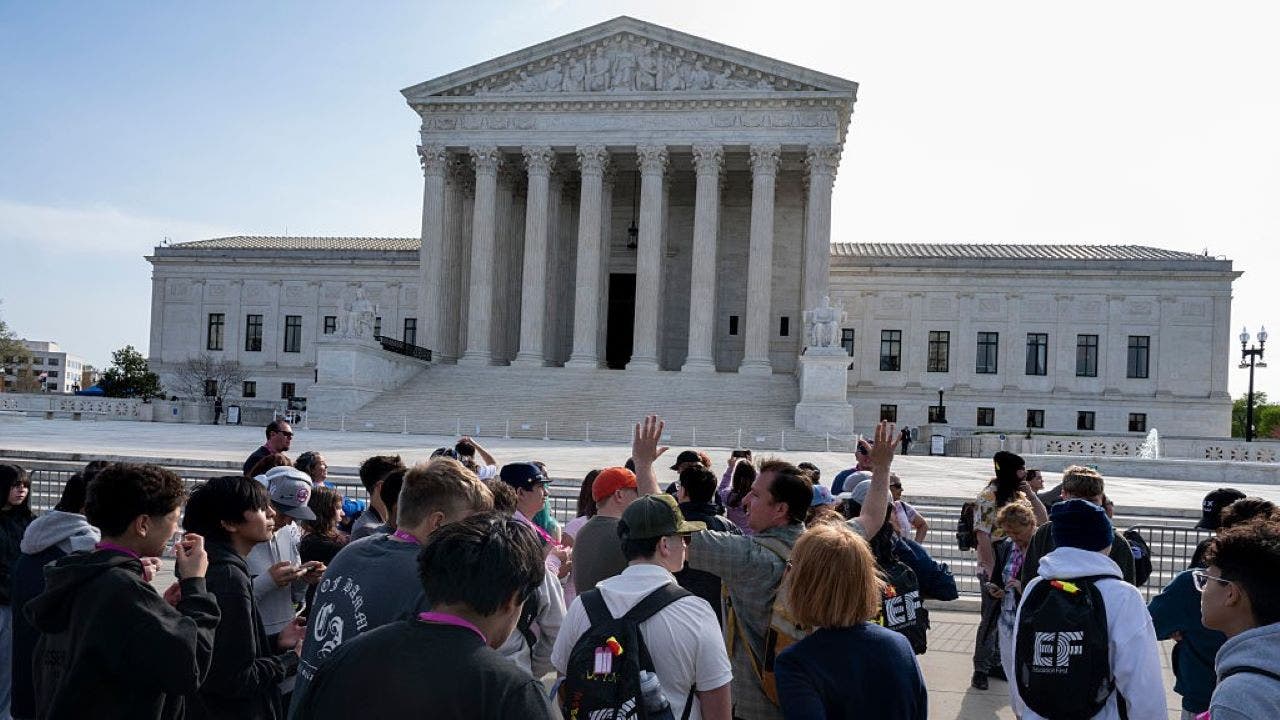
I felt a rush of relief when the Supreme Court backed Idaho and West Virginia in cases defending women’s sports and single-sex spaces, and this piece walks through why that decision matters, the personal stakes for athletes, and what it means for the next generation of competitors. I write as a former athlete who still carries the scars of a preventable injury and as someone glad to see legal recognition that categories for women were created for a reason. This ruling is a turning point for fairness on rosters and in locker rooms, and it deserves plainspoken attention.
For years the debate over who belongs in women’s sports moved from locker-room conversations into politics and law, and that shift left a lot of athletes sidelined. The court’s decision affirms a basic truth most people lived by without controversy: women deserve competitions and spaces organized around biological sex when those categories are necessary for fairness and safety. That recognition is more than symbolic; it restores opportunities that were being eroded.
I know the cost of losing a level playing field. I watched male athletes in makeup and sports bras walk away with trophies meant for girls I trained alongside, and I saw scholarships and championships disappear. It’s not abstract when you’ve sweated through early mornings and rehabs for years only to have a spot taken by someone with an unfair physical advantage.
As a high-school player I suffered a traumatic brain injury when a male playing on the girls’ team delivered a spike that was harder and faster than anything I’d faced. That moment changed my life and my athletic future, and I still live with the consequences. That personal harm underscores why categories exist: to keep competition fair and participants safe.
Every athlete knows what it takes to succeed—sacrifices, injuries, and hours of practice that nobody sees. Adding policy choices that let biological males occupy female roster spots compounds the pressure and strips meaning from hard-earned achievements. It’s demoralizing when years of training can be nullified by rules that ignore physiological reality.
When institutions handed out awards and sponsorships to men competing in women’s categories, it felt like a betrayal of the people they were supposed to protect. Organizations that once championed female athletes started equivocating, and that hesitation cost real girls real chances. Standing up against that trend has been messy and political, but it was necessary.
LAWYERS FIGHTING SJSU OVER VOLLEYBALL SCANDAL RESPOND TO FEDERAL TITLE IX PROBE FINDINGS
Change didn’t come from elite insiders alone; it came from parents, coaches, and athletes who refused to accept a new normal where biology was ignored. High-school teams, college programs, and local communities raised their voices and forced a national conversation that the legal system could no longer avoid. That grassroots push helped move the court toward defending sex-based protections.
Compassion and inclusion matter, but they can’t be used to erase the categories that protect women’s physical integrity and competitive fairness. True empathy does not demand we sacrifice protections designed to ensure equal opportunity for girls and women. Policies should reconcile kindness with common sense and science, not pretend biology is optional.
WATCH: HEARING ERUPTS AFTER DEM CHAIR TRIES TO SIDESTEP GOP TRANSGENDER SPORTS BILLS: ‘THEY’RE PETRIFIED’
Today’s ruling sends a message that truth and common sense still matter in our public life. It says that women and girls do not have to apologize for wanting a sport category that reflects their realities and hard work. That clarity opens the door for athletes who train with discipline and sacrifice to compete on a fair playing field again.
I’m grateful for the community that stood by me—my parents, teammates, and fellow advocates who spoke up when it was unpopular. Their courage mattered and it helped turn a painful moment into a broader movement for fairness. If anything, the decision restores not only spots and trophies but also faith that rules can protect those who work the hardest.
Thinking about the next generation, I feel hopeful for the kid who wakes at dawn to practice and dreams of a scholarship or a championship. She deserves a chance to compete with other girls who share her passion and physical context. Protecting women’s sports is about preserving those dreams, and today’s legal outcome helps make that possible.
