
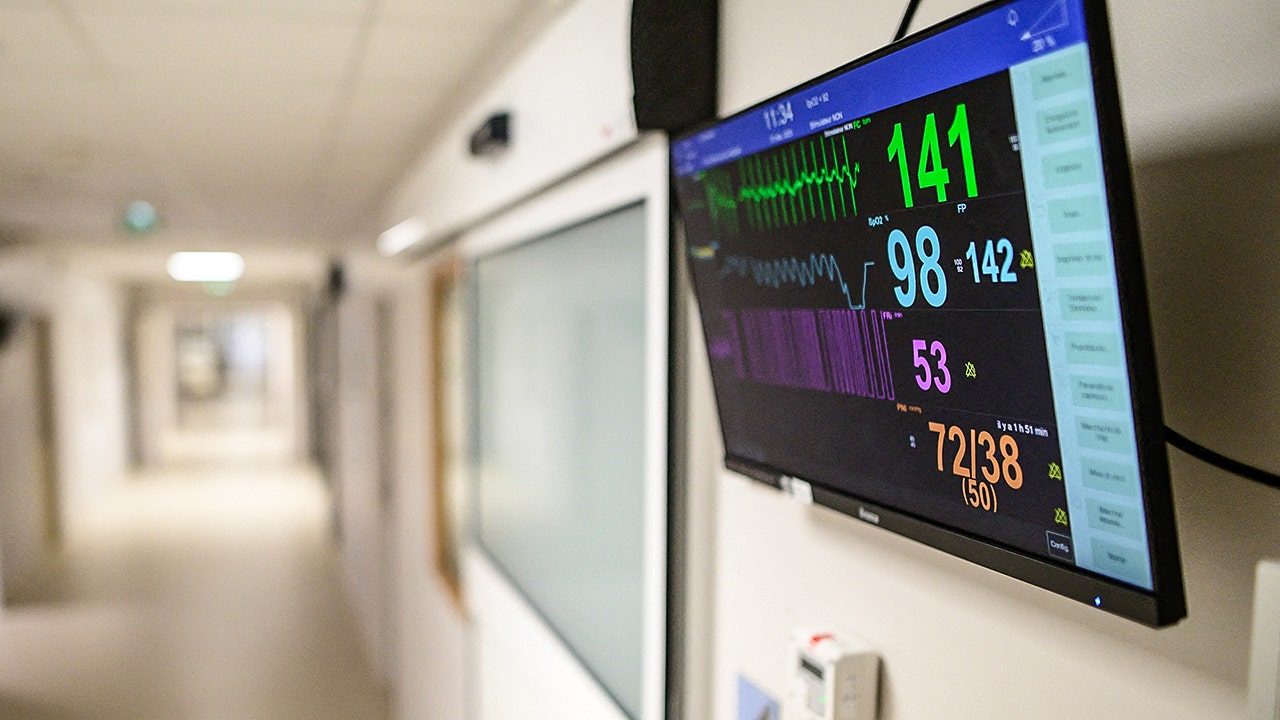
The routine ECG you’ve ignored at a checkup might hide a life-or-death clue, new research suggests. Scientists trained an AI on hundreds of thousands of tracings and found patterns linked to sudden cardiac death that traditional screening often misses. This opens a path where an ordinary test could trigger earlier follow-up and possibly prevent catastrophic events.
Sudden cardiac arrest can strike without warning, even in people who look healthy on standard exams. Survival after an out-of-hospital cardiac arrest drops fast without immediate CPR or a defibrillator, so early detection matters. The core problem is that current tools miss many at-risk hearts until it’s too late.
Researchers fed more than 440,000 ECGs into a machine learning model, pairing each tracing with later health records and cause-of-death information. They then validated the system against separate datasets from different countries to see if the signal held up outside the original pool. It did, which is rare for medical AI that often performs well only in its training silo.
Clinicians usually rely on left ventricular ejection fraction, or LVEF, to judge who gets an implantable defibrillator. That measure captures pump function but not every rhythm problem. The AI identified a high-risk group with an estimated 7 percent annual risk of sudden cardiac death, compared with about 4.6 percent in the standard low-LVEF group.
Importantly, most patients flagged by the AI would not have been identified by LVEF alone. In plain terms, a routine ECG that looks normal to human eyes might hide waveform hints the AI can spot. Those hidden clues could change how doctors decide who needs closer monitoring.
The team didn’t stop at a blind risk score. They probed what the model actually used, because black-box predictions are hard to act on in the clinic. A follow-up AI analysis pointed to a visible feature in lead aVL within the QRS complex, suggesting a reproducible electrical sign that had not been clearly described before.
That discovery matters because devices like implantable defibrillators save lives but are invasive and expensive, and many never fire. Over-treating exposes people to complications and unnecessary procedures, while under-treating can be fatal. A more accurate early warning could narrow that tradeoff by steering surveillance and testing to those who really need it.
Clinical adoption will take work. Teams are already testing the algorithm in hospital ECG archives across multiple countries to see how it performs in routine practice. If a scan is flagged, the typical next step would be more monitoring, such as extended rhythm patches that can catch dangerous arrhythmias before they collapse a patient.
Big-data medical AI also raises obvious privacy and ownership questions. Building a robust model took years and massive datasets, so patients and health systems need clear rules on who controls scans and what secondary uses are allowed. Trusted guardrails for consent, data protection and transparency will determine whether people accept these tools.
For individuals, the immediate takeaway is practical: don’t assume a normal checkup rules out every risk. Symptoms like fainting, unexplained dizziness, palpitations, or a family history of sudden cardiac death deserve a frank discussion with your clinician. Learn CPR, identify AED locations at work and public places, and follow up on persistent or strange cardiac symptoms.
Wearables and home monitors can add useful signals, but they are not replacements for medical evaluation and currently cannot replicate an ECG-based AI assessment. This technology is not consumer-ready for uploading your tracing to get a risk score, but it could change routine care if prospective trials confirm benefit. Either way, the idea that an ordinary ECG might conceal a crucial warning is hard to ignore and worth watching closely.
