
Quick, practical steps to repair low spots in your yard without spending a fortune: diagnose the cause, choose the right fill material, layer and compact carefully, seed or sod appropriately, account for drainage, and maintain the repair until it blends with the rest of your lawn.
Low spots show up for a lot of reasons: settling after heavy rains, decomposing organic matter, poor initial grading, or animal activity. Left alone they collect water, drown grass, and turn into a muddy mess that never drains. Fixing them isn’t glamorous, but it pays off fast in curb appeal and fewer muddy shoes.
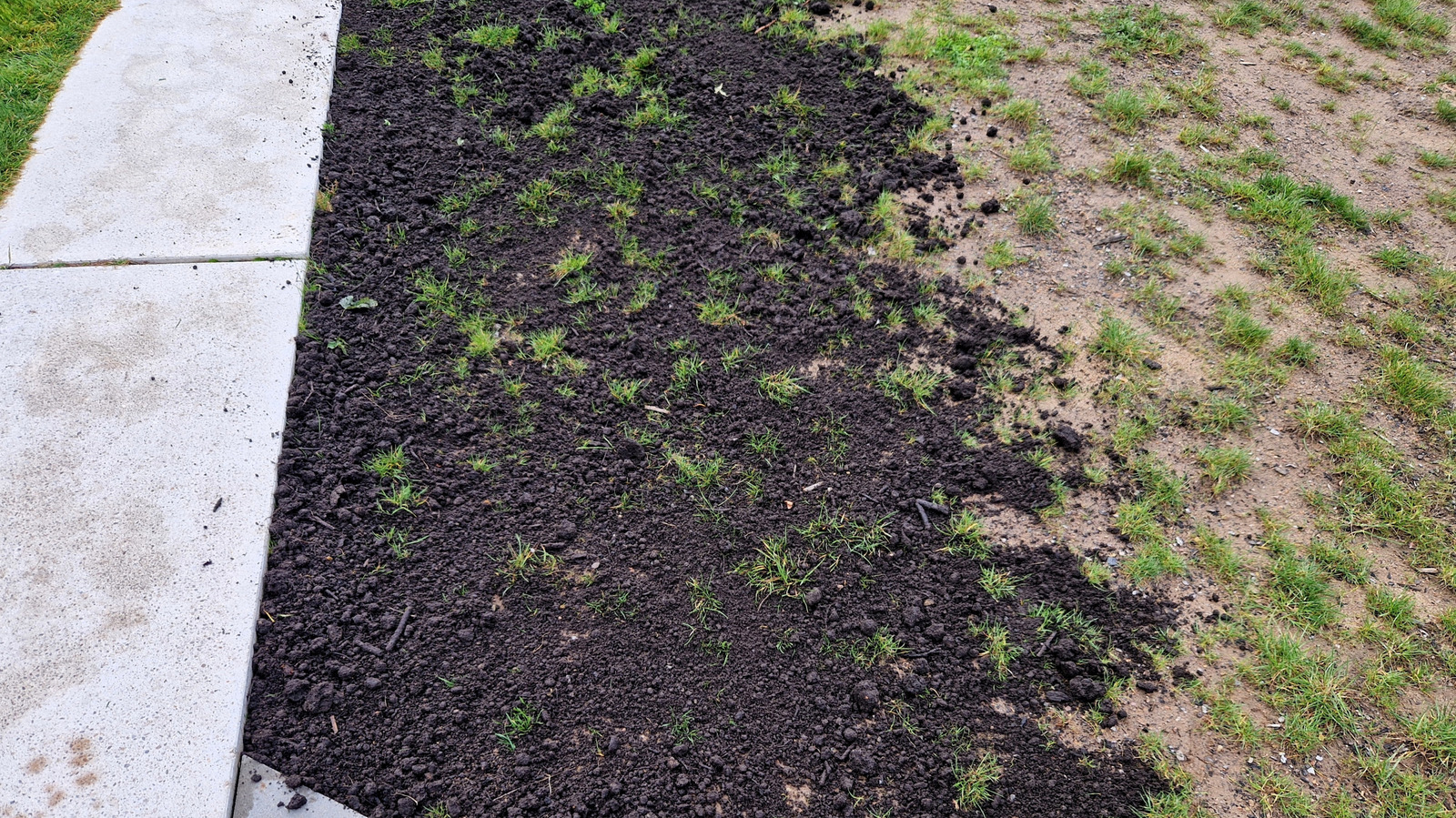
Start by picking the right material for the job. A mix of topsoil and compost gives you structure and nutrients for reseeding, while sandy fill works better where water drains slowly. For quick fixes on small patches, a bit of topsoil blended with compost will usually do the trick and won’t break the bank.
Never dump a big pile of soil and expect it to settle perfectly overnight. Add fill in inch-thick layers, tamping lightly after each pass so the ground doesn’t compact later and leave you right back where you started. Use a hand tamper or the flat end of a 2×4 and keep the surface slightly proud of the surrounding turf to allow for settling.
If you’re seeding, scratch the top layer with a rake so seed contacts soil, then cover with a thin veil of topsoil or straw to protect it. Sod speeds results but costs more; choose sod for high-traffic or visible areas where instant coverage matters. Either way, water gently but regularly until roots establish, and avoid heavy traffic for a few weeks.
Drainage matters. Before you add soil, check if the low spot is part of a larger grading issue that will just funnel water back into the repaired area. If water pools for long periods, consider adding a gentle slope or a simple shallow trench to move it away. Also, mark and avoid buried utilities before digging or digging deeper than a few inches.
Save money by reusing soil from other projects, splitting soil with a neighbor, or picking up small loads from local landscaping suppliers. Rent a compacting plate or use inexpensive hand tools for tiny jobs instead of hiring a pro for simple leveling. Be cautious not to overfill; repeated light additions are cheaper than tearing out and redoing a mound that settles unevenly.
After the repair, monitor the spot during the first few heavy rains and top up any places that settle more than expected. Keep the grass cut on a higher setting the first couple of mowings to reduce stress on new growth. With a little patience and basic upkeep, those low spots will disappear and your lawn will behave again.
