
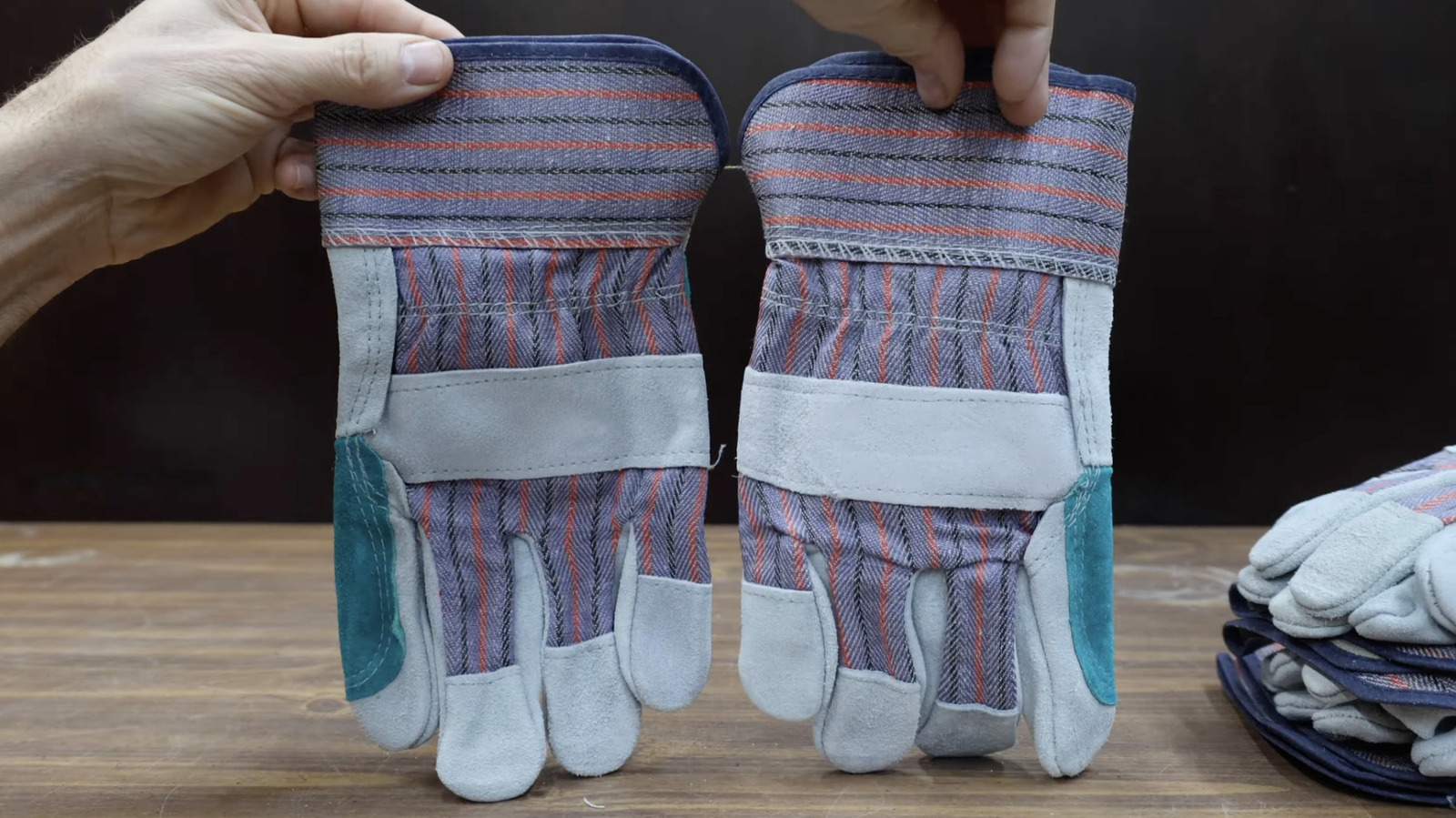
A popular gear reviewer on YouTube bought an inexpensive pair of gloves and put them through real-world tests, showing they handled abuse, fit well, and protected hands better than many premium brands while costing a fraction of the price.
The video starts with a simple premise: can cheap gloves actually do the job they were made for? Rather than relying on brand names, the creator ran them through abrasion, water resistance, dexterity, and impact tests to see how they held up. The results were unexpected enough to make viewers question the price-versus-performance math behind premium gloves.
On appearance the gloves look modest, nothing flashy to catch your eye at first glance, but fit and finish mattered in every test. The reviewer noted seam strength and finger articulation as unexpected strengths, especially given the sub-$20 price tag. When you can flex, grip, and still feel protected, the perceived value shifts fast.
Abrasion and grip trials are where many budget gloves fail, yet these cheap gloves surprised by maintaining integrity after repeated rubbing and scraping. The palms showed minimal wear and the textured surface preserved traction, which mattered in wet and oily conditions. That combination of durability and grip was a central takeaway for anyone using gloves for manual work or outdoor chores.
Water resistance wasn’t perfect, but it was handled intelligently through material choice and seam placement. Instead of waterproof membranes that trap sweat, these gloves offered a repel layer that balanced breathability with protection. For people working short shifts in damp environments, that trade-off often beats soaked insulation or clammy hands.
Impact protection in the finger and knuckle areas is usually an expensive feature, yet the gloves included reinforced padding where it counts. Tests with blunt-force impacts and tool handling showed the padding reduced sting and bruising compared to raw-handed trials. That practical protection, paired with a confident fit, shifted the narrative from cheap to smart buy.
Price plays a loud role here: when a glove undercuts the competition by 70 to 80 percent and still performs, it forces shoppers to ask what they’re actually paying for. Sometimes a famous logo, marketing, and minor comfort tweaks drive up cost more than critical protective function. This reviewer’s approach was blunt: pick what actually keeps your hands safe and working, not what looks good on the shelf.
There are reasonable caveats. High-end specialty gloves still beat budget models in extreme cold, heavy chemical exposure, and high-speed industrial settings. Fit can vary batch to batch, and no inexpensive glove will replace certified, task-specific PPE where regulations matter. But for everyday tasks, weekend projects, and many professional uses, the tested pair proved a compelling alternative.
If you buy gloves to work with your hands, this test suggests you don’t need to overpay to get protection and performance. Instead of chasing brand names, look at construction, padding placement, material choices, and real-world feedback. Try a pair that fits well and test them in the conditions you use them most; you might find the best option costs less than you think.
