
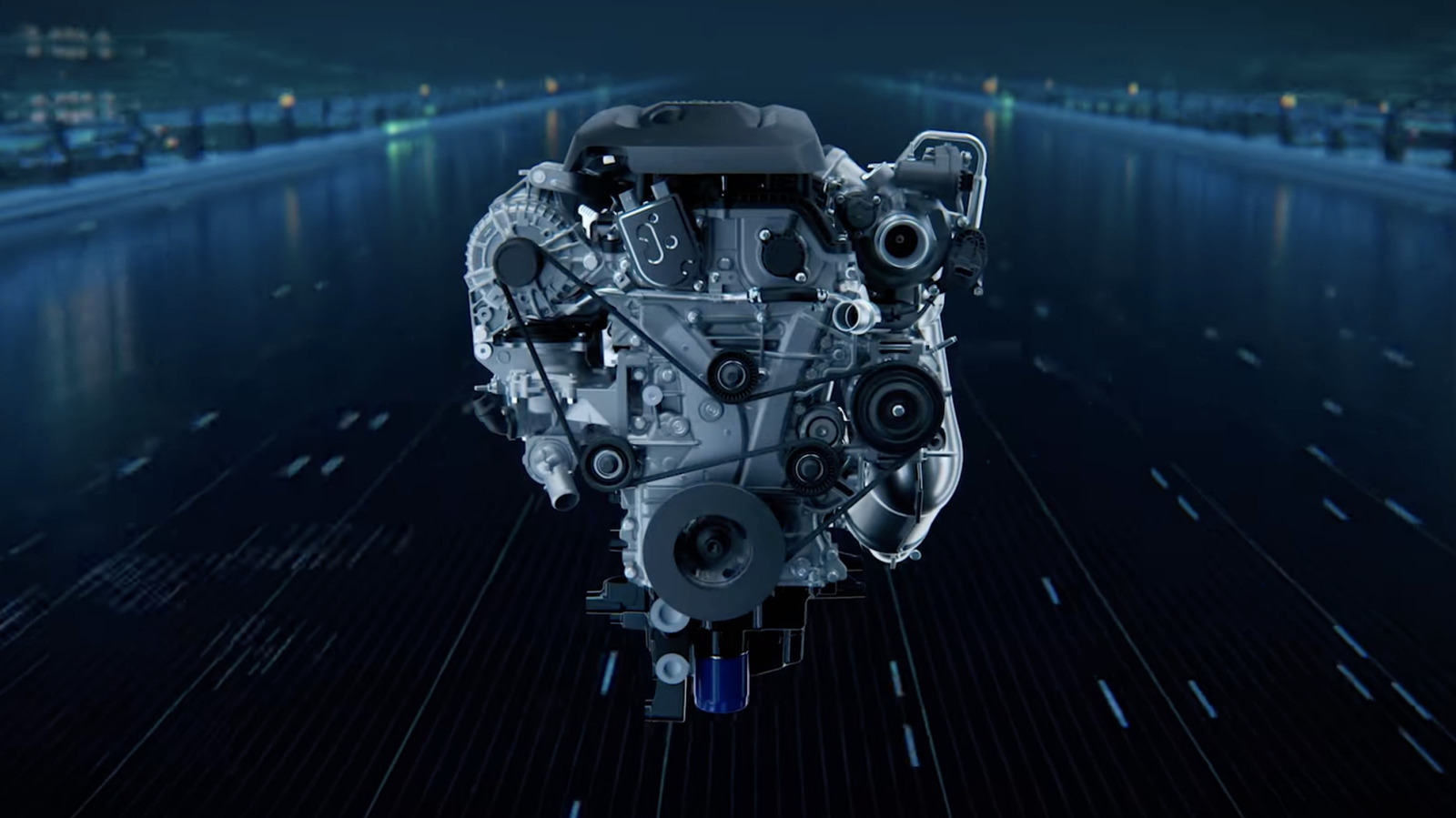
The Hurricane 4 takes the turbocharger out of the paddock and cranks it up for compact engines, proving you can squeeze serious power from a small four-cylinder without turning it into a headache. This article walks through what makes that possible, the engineering trade-offs, and what drivers should expect when swapping raw displacement for forced induction. You’ll get a clear sense of why a modern, highly tuned turbo four can be both thrilling and practical on the street.
Turbocharging isn’t new, but the way it’s applied to small-displacement fours has changed. Modern turbos are lighter, spool faster, and pair with smarter engine management than the units racers used decades ago. That evolution lets engineers chase horsepower while keeping drivability and fuel economy in the same sentence.
At the heart of the Hurricane 4 concept is the idea that boost can replace displacement if you build the engine to handle it. That means forged pistons, beefed-up rods, and a block that resists distortion under higher cylinder pressures. When done right, that hardware lets a compact engine produce torque early and sustain it through the rev range without collapsing under heat or boost spikes.
Turbo design matters more than many people realize for a small four-cylinder package. Twin-scroll housings and ball-bearing cartridges shrink lag and sharpen throttle response, while smaller turbine wheels get the turbo spinning fast at low rpm. Pair that with a well-sized intercooler and routing to minimize pressure drop, and you get a flat, usable torque curve instead of a single explosive shove.
Fuel delivery and ignition control are equally critical in a Hurricane 4 layout. Direct injection helps knock resistance by cooling the charge and allowing higher compression or boost without detonation, while precise timing maps prevent sudden spikes that can wreck components. Modern engine control systems can alter boost, fueling, and spark on the fly, balancing power with longevity in real time.
Thermal management is a constant battle in a high-output small engine. Turbo heat, intake air temperatures, and oil degradation all scale faster when displacement is low and boost is high. Good oil cooling, effective charge air cooling, and routing that keeps hot exhaust away from sensitive parts extend service life and maintain consistent performance between hard runs.
There are real trade-offs to accept if you want high horsepower from a small four. Maintenance intervals can tighten, parts cost rises, and tolerances shrink so failures can be sudden when they happen. But for drivers who prize packaging, weight savings, and midrange shove over raw displacement, those trade-offs often make sense.
Street manners are a design target, not an afterthought. The best Hurricane 4 setups tune boost onset and torque shaping to be predictable around town, while still delivering an aggressive upper band when you put your foot down. That balance is what turns a clever engineering exercise into a satisfying daily driver that also handles spirited runs at the limit.
From a performance perspective, small turbos that spool quickly and big exhaust paths that stop choking airflow win the day. Wastegates, blow-off valves, and tuned exhaust headers all play roles in controlling boost transients and preserving responsiveness. The goal is consistent, controllable power rather than wild peak numbers that do little to improve lap times or daily usability.
Owners should look at cooling upgrades, stronger internals, and a conservative tune if longevity is a priority. Regular oil changes with high-grade lubricants and careful attention to heat soak will protect the investment. When builders respect the limits and design for the duty cycle, a Hurricane 4 can be a compact powerhouse that’s fun, efficient, and surprisingly durable.
