
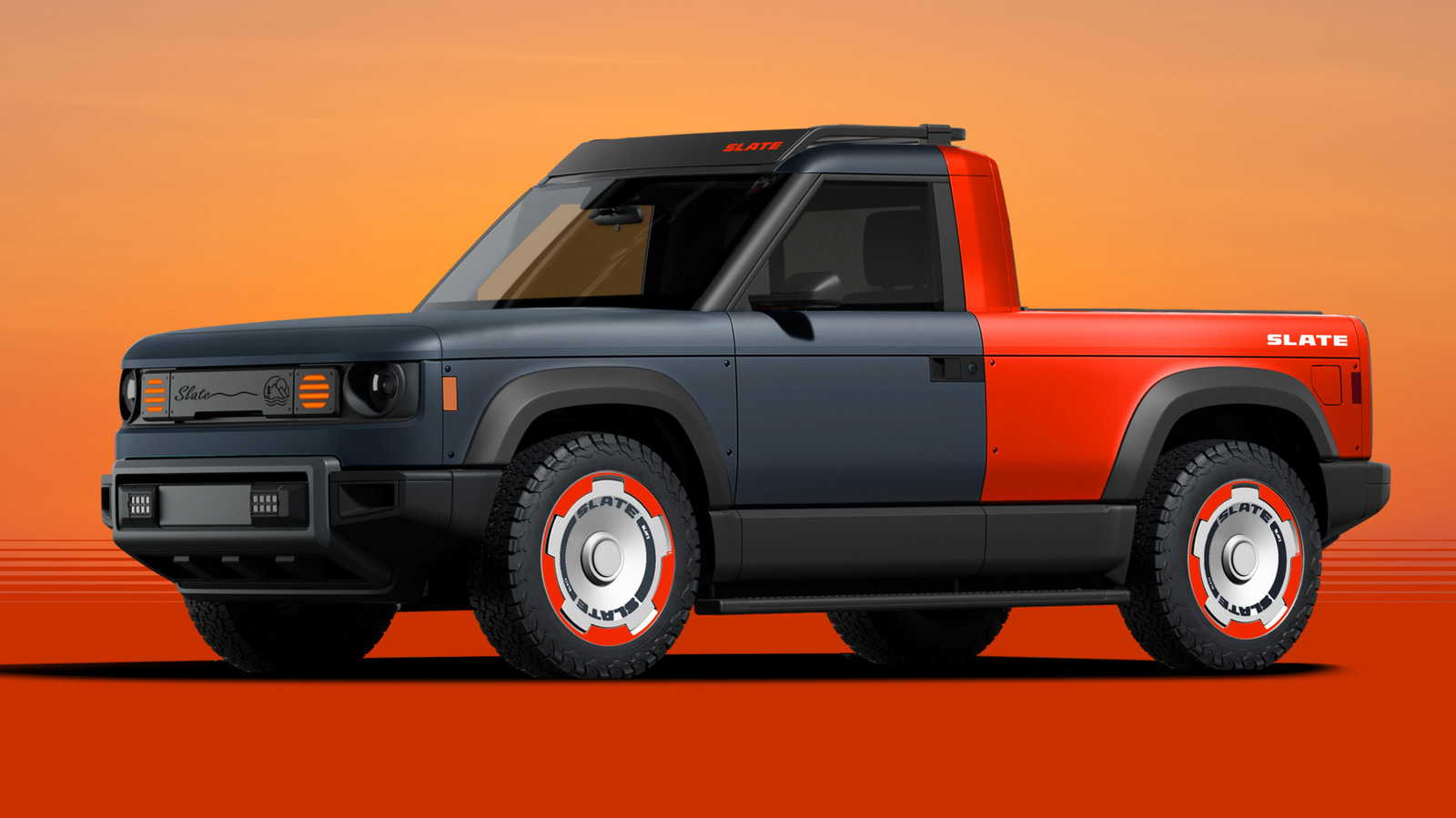
Selling an electric pickup at a low starting price grabs attention, but that headline number is only the opening move in a much longer game. This article looks at the price angle, the engineering and manufacturing hurdles, the charging and range math, and what customers should realistically expect. It also considers how market timing and competition shape whether a promising price can survive reality. Expect a clear-eyed take on why a low sticker price may not be the whole story.
Slate’s entry-level price for its new electric pickup is small enough to spark interest and headlines. A low sticker gives buyers hope that EV trucks can finally be affordable to a wider crowd, not just fleet buyers or affluent early adopters. That kind of pricing can change the conversation and put pressure on legacy automakers to respond. But a headline price is only useful if the rest of the package holds up.
The engineering challenges behind a budget electric truck are significant and unavoidable. Batteries dominate cost and weight, and trimming those without killing range is a tightrope act. Suspension, towing hardware, and cooling systems all need beefing up for truck duty, and that engineering adds dollars quickly. Cutting corners on those systems to hit a price target risks reliability complaints and angry customers down the line.
Manufacturing at scale is another major hurdle for a small-upstart truck maker. Ramping from prototypes to full production requires factory know-how, supply chain deals, and quality control systems that are expensive and time-consuming to build. Parts shortages, vendor issues, and builds that miss specs can all blow margin and delay deliveries. A low introductory price that assumes smooth scaling might be optimistic.
Battery range and charging behavior are the numbers most buyers actually use every day. A low-priced truck with weak range or slow charging will frustrate owners more than a pricier model with better energy efficiency. Real-world range varies with payload, towing, speed, and weather, so advertised figures often disappoint once a truck is used for real work. Buyers should look beyond the sticker and examine usable range under the conditions they actually drive.
Towing and payload capability are the acid test for any pickup, and electric platforms face unique tradeoffs here. Heavy payloads drain batteries faster and generate more heat, stressing powertrain components. If a vehicle is engineered to tow but loses most of its range when hitched to a trailer, it fails at the job. Manufacturers that promise truck capability at bargain prices must prove those claims in realistic scenarios, not just press-ride demos.
There are also practical ownership questions that impact total cost of ownership and buyer satisfaction. Warranty terms, service networks, and parts availability matter more for a work truck than cosmetics do. If a budget price comes with poor aftercare or long repair waits, the initial savings vanish quickly. Smart buyers weigh the whole ownership experience, not just the initial number they see in ads.
Competition in the EV truck space is heating up, and that dynamic will shape pricing and feature choices. Incumbent brands have production experience and dealer networks, while startups bring fresh thinking and bold pricing. Consumers benefit from that rivalry if it leads to solid, well-built trucks at reasonable prices. But a race to the bottom on price without matching quality will create disappointed buyers and reputational damage.
In the end, a compelling starting price is a headline moment, but it is not a guarantee of long-term success. For an electric pickup to earn trust it must pair competitive pricing with proven engineering, realistic range, service coverage, and genuine towing capability. Readers should view a low sticker as an invitation to dig deeper rather than a final verdict on value.
