
Subaru’s U.S. lineup has a couple of recognizable SUVs, and recent hints suggest one of those America-sized models could be headed back to Japan. This piece looks at which Subaru might make that leap, why it would make sense for the company, and what adjustments might follow to suit different buyer tastes and regulations.
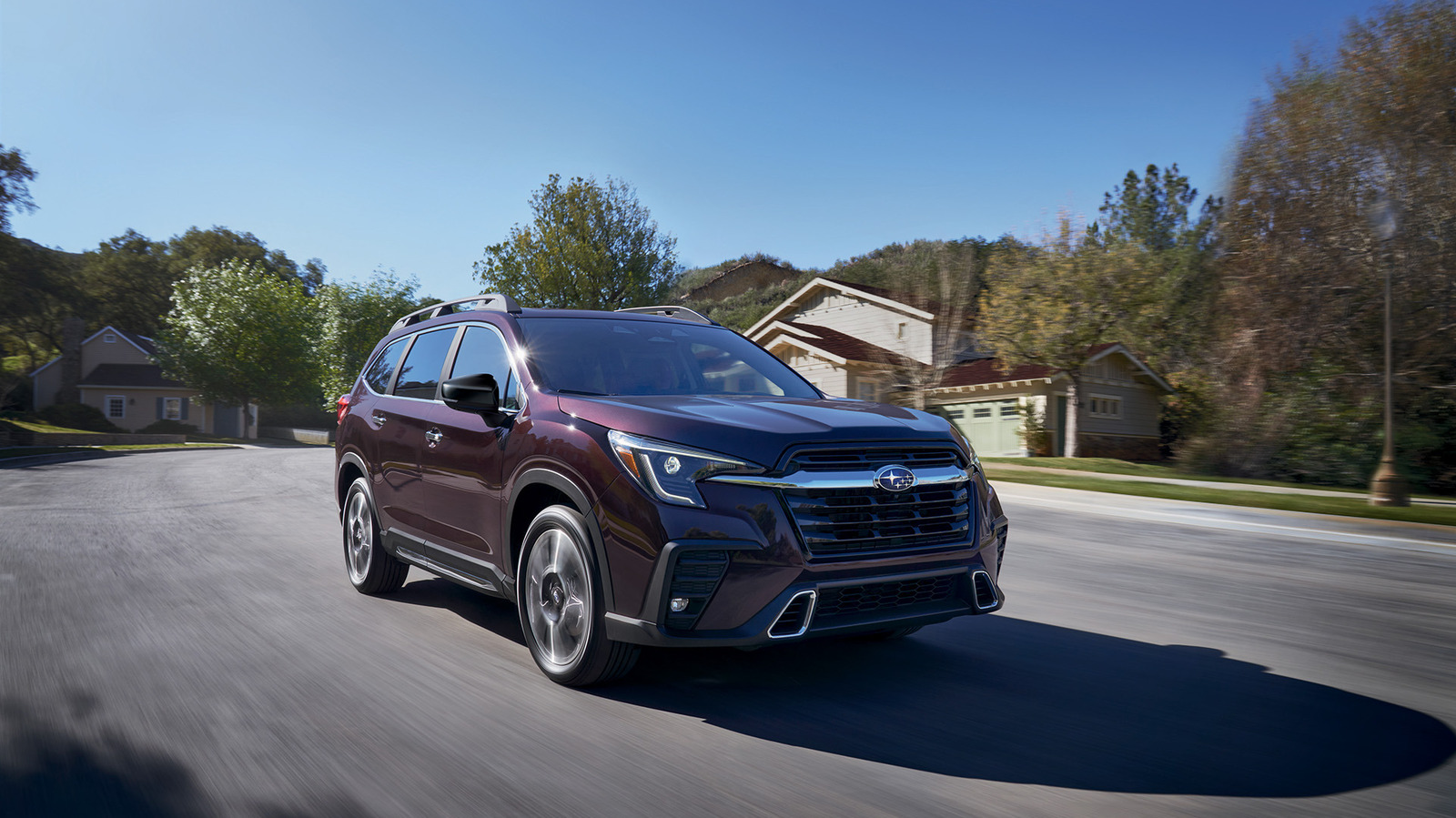
The likely candidate is the Subaru Ascent, the three-row SUV designed primarily for North American roads and families. It fills a space Subaru traditionally leaves to competitors here, offering room, towing capability, and a focus on utility that matches U.S. buyer preferences. Bringing it to Japan would be a notable shift, since Japanese buyers usually favor smaller, more maneuverable cars and kei segments.
Why would Subaru consider the Ascent for Japan now? Automakers watch global trends and customer habits closely, and larger vehicles have been gaining steady interest in many markets. If Japanese demand for family-centered SUVs grows, Subaru could see an opportunity to offer a more spacious option without developing an entirely new model.
Adapting the Ascent for Japanese roads would not be a straight port. Expect revisions for parking practicality, possibly a narrower mirror setup, and tweaked suspension for tighter urban streets. Emissions and safety standards are different, so Subaru would likely adjust powertrain calibrations and add tech features tuned for local regulations and buyer expectations.
Design language might stay familiar, since brand identity matters, but small changes could make a big impression. Interior materials might get an upgrade to reflect local tastes, and the infotainment system would probably get region-specific software and language support. Those changes would help the Ascent sit comfortably alongside Subaru’s established models in Japan.
From a business standpoint, the move would let Subaru leverage existing engineering and supply chains rather than create a new vehicle from scratch. Platform sharing and modular components reduce costs and speed up time to market, which is attractive when testing new segments. If the Ascent proves popular, Subaru could expand trim levels or offer a hybrid variant to broaden appeal.
There are risks to consider, including fuel efficiency perceptions and parking constraints that Japanese consumers face. The Ascent’s size could be a stumbling block in dense cities where compact maneuverability is prized. Subaru would need a clear marketing strategy to position the vehicle as a family hauler for those who need the extra space, not as a mass-market replacement for smaller cars.
Competitors in Japan already offer roomy crossovers and premium three-row options, so Subaru would be stepping into a crowded field. The brand’s reputation for safety and all-wheel drive could be strong selling points, particularly for buyers who want utility and winter performance. Subaru can lean on those strengths while offering a fresh choice for families that travel together frequently.
Pricing will be a key factor in how the Ascent is received. If Subaru keeps it competitively priced against established three-row rivals, it could attract buyers seeking value and space. Premium trims with advanced driver assistance and comfort features could appeal to shoppers willing to pay more for capability and brand trust.
Ultimately, bringing an American-focused SUV like the Ascent to Japan would be a strategic test for Subaru. It would show how flexible global portfolios can be when automakers respond to shifting consumer needs. If executed carefully, the move could expand Subaru’s footprint without losing the practical, every-day focus that defines the brand.
