
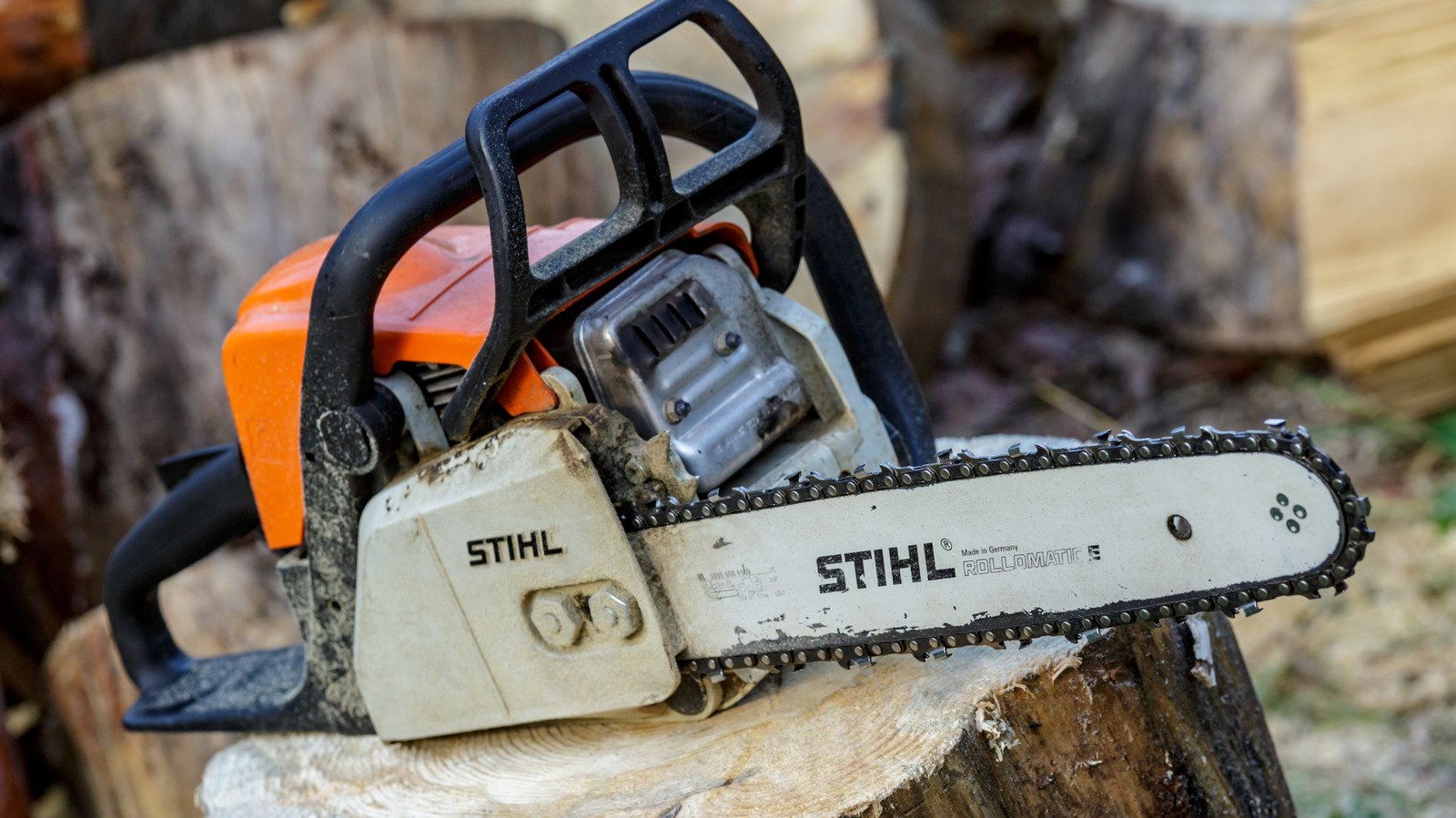
If your Stihl Chainsaw keeps acting up, this piece walks through the four mechanical trouble spots that show up most often, how to spot them quickly, and what sensible steps to take so the saw behaves the way you expected when you bought it. I’ll be clear about symptoms so you can diagnose without guessing, point out the parts that wear first, and offer practical maintenance moves that keep small fixes from becoming big repairs. No fluff, just the facts and the straightforward fixes that actually matter for regular use and longevity.
Fuel and carburetor problems are one of the top causes of poor performance, most often because of stale gas or ethanol contamination that gums things up inside the carburetor. Symptoms include hard starting, sputtering under load, and a rough idle that cleaning the air filter won’t fix. A basic soak-and-scrub of the carburetor jets or a rebuild kit will clear varnish and deposits, and switching to fresh fuel with a stabilizer cuts the issue off at the source.
Ignition faults are deceptively simple to miss, yet they make a saw act like it has a dead engine when the problem is only a fouled spark plug or a failing ignition coil. Look for intermittent misfires, a sudden no-start after a hot run, or visible carbon on the plug; testing the plug and checking the gap is fast and often diagnostic. If the coil or wiring shows corrosion or inconsistent spark, replacement is straightforward and inexpensive compared with the hours lost trying to coax a bad coil to behave.
The clutch and drive train see brutal work and they wear out in predictable ways: clutch shoes glaze, springs weaken, sprockets show scoring, and the chain can slip or bind when the clutch drum is warped. Signs include unusual vibration, a chain that doesn’t accelerate smoothly, or smoke from the clutch area during heavy cutting. Regular inspection and swapping in the correct clutch assembly and OEM sprocket when wear appears prevents damage to the crankshaft and other expensive downstream failures.
Bar and chain issues aren’t just about sharpness; an over-stretched chain, worn teeth on the sprocket, or a loose tensioner create kickback risks and poor cutting performance. A chain that rides low in the bar groove or requires constant re-tensioning is past due for replacement, and ignoring a failing chain brake or contaminated brake band turns a safety feature into a liability. Proper sharpening, correct tension, and replacing a worn bar with the matching nose sprocket prolong safe, efficient cutting sessions.
Airflow and cooling problems quietly degrade performance and can cause overheating that damages seals and bearings, often because of a clogged air filter, a blocked cooling fin, or a muffler packed with soot. If the engine runs hot, loses power after a short period, or stalls once warm, clean the filter, clear debris from the cooling fins, and check the spark arrestor screen. Simple cleaning every few tanks keeps heat in check and extends component life far more than occasional tune-ups do.
When it’s time for parts, lean toward OEM or reputable aftermarket equivalents and keep a small kit of commonly replaced items on hand: spark plugs, air filters, a carburetor rebuild kit, and a fresh chain. Routine checks before every use—fuel, oil, chain tension, and visible damage—catch most problems while they’re still easy to fix, and an experienced technician should handle worn crankcases or ignition modules to avoid costly mistakes with timing and clearances. Take small problems seriously early and your saw will thank you by running smoother, longer, and safer.
