

The U.S. government has hired a Hollywood lead to make short, comedic history lessons aimed at overseas audiences, and that decision is already stirring conversations about taste, intent, and the line between public diplomacy and entertainment. The project pairs Chris Pratt with veteran historians and a Los Angeles digital studio to create bite-sized videos tied to the nation’s birthday. This article walks through the concept, the creative team, the competing satirical series hitting screens, and the questions this kind of spending raises about audience reach and purpose.
The idea is simple: use a familiar face to make American history feel modern and approachable. Chris Pratt will star in comedy shorts meant to show off constitutional ideas and key stories from the nation’s past, but the twist is he plays someone who discovers he doesn’t know as much as he thought. That setup gives the pieces room for humor while offering teachable moments meant to land with international viewers.
‘Intended to engage international audiences with America’s constitutional values.’ This phrase sits at the heart of the project and doubles as a creative brief: make the material entertaining enough to travel, and clear enough to explain why those values mattered then and now. Placing humor in service of civic ideas is a calculated gamble—funny can open doors, but it can also thin the line between substance and spectacle.
Pratt won’t be winging it entirely. He’ll get on-screen help from historian and Pulitzer Prize winner Doris Kearns Goodwin, who will steer the historical facts and correct any modern misconceptions he brings to the set. That pairing aims to blend star power with scholarly ballast so the sketches feel both witty and grounded. Having a respected historian visible in the frame is meant to signal seriousness beneath the jokes.

The production comes from a Los Angeles digital media company known for short-form work and outreach, and they say they are “always looking for new ways to make important topics accessible to broader audiences.” ATTN: frames the series as a modern storytelling push meant to reach people where they watch content daily. Matthew Segal, a company co-founder, called the effort a “unique diplomacy opportunity to reintroduce the stories, principles, and people that shaped the nation.”
The producers described the series as a “public diplomacy initiative intended to engage international audiences with America’s constitutional values and history through modern digital storytelling,” trading the dusty lecture for brisk, shareable clips. That description makes the objective explicit: it is less about domestic culture wars and more about shaping foreign perceptions through short-form media. Whether that path is persuasive will depend on tone, distribution, and whether viewers feel they’re being spoken to rather than at.
Not everyone thinks the timing could be tidier. A separate, celebrity-driven comedy about American history is arriving from Larry David, titled Life, Larry and the Pursuit of Unhappiness, with a release planned on a premium cable platform at the end of the month. The David project leans into absurdity and cringe humor, and its tone is intentionally irreverent, offering a sharp contrast to the government-backed series both in intent and attitude.
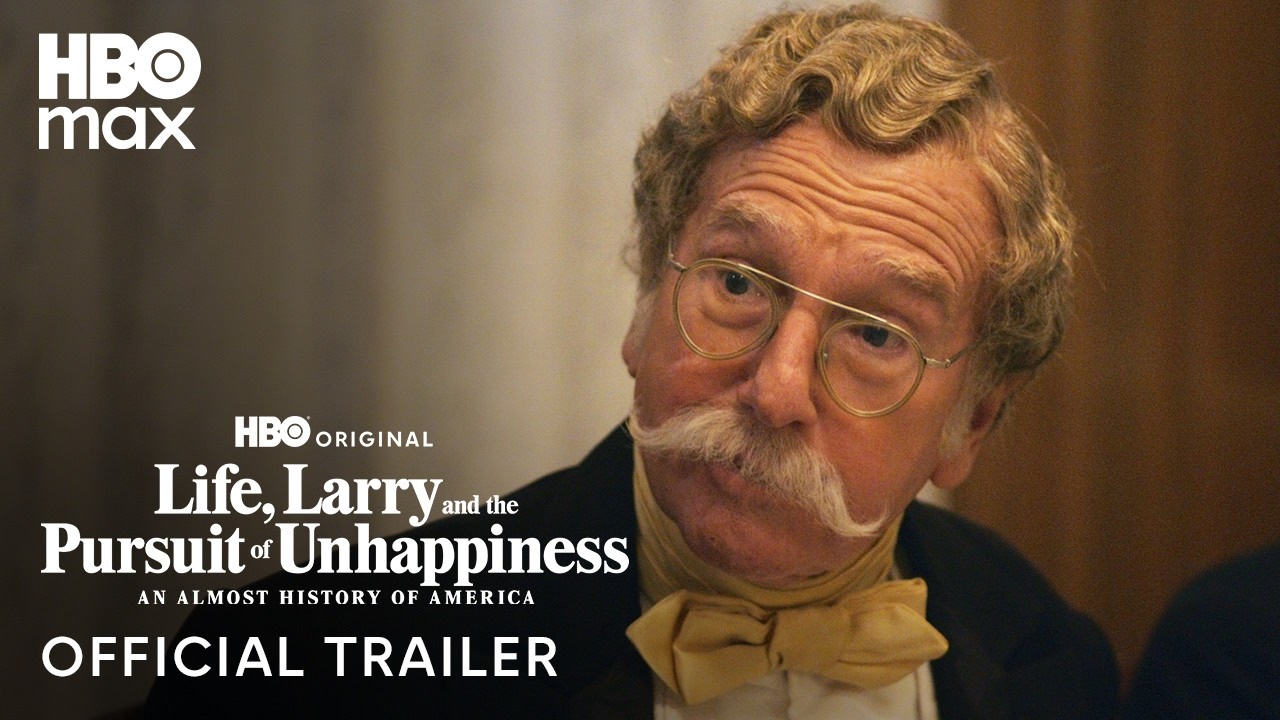
David’s show includes guest spots from familiar comedians and places his trademark persona inside exaggerated historical setups, lampooning everything from early aviation to wartime photo ops. That approach makes for very different viewing choices: one series aims to inform with a wink, the other aims to provoke laughs by skewering reverence. Both will test how audiences respond when history is filtered through comedy lenses.
Behind the jokes are practical questions: who pays, who watches, and what do we expect from official cultural outreach in the streaming era. Using pop figures to explain civic ideas is clever and can work, but turning diplomacy into skits invites scrutiny about priorities and performance. The experiment will be measured not just by views but by whether it sparks curiosity abroad rather than headlines at home.
