
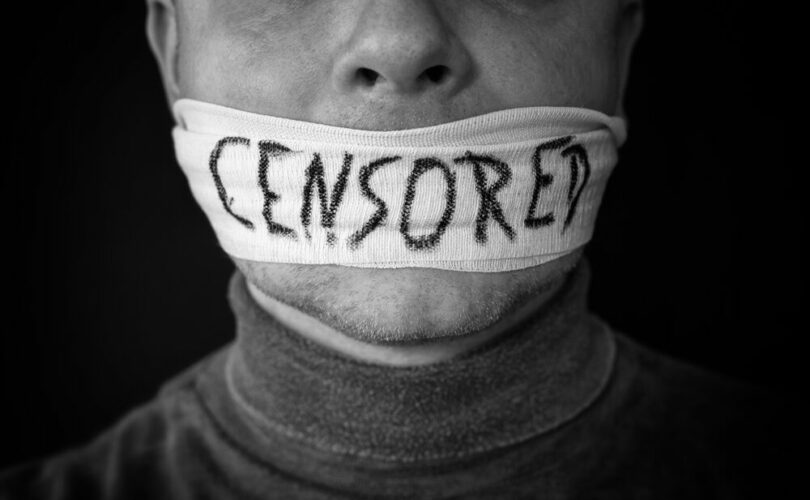
Campus speech disputes are rarely simple, and this one centers on a formal complaint arguing that procedures meant to address offensive expression actually chill protected views. The complaint warned that students were afraid to voice opinions about life, family, and immigration for fear of punishment. At its heart the claim insists “‘procedures for tackling disfavored speech … violate the First and 14th Amendments,’ ” and that legal question now hangs over how the university handles complaints about bias.
The complaint paints a picture of students self-censoring to avoid administrative scrutiny. When the machinery of campus complaint systems is perceived as targeting certain viewpoints, the natural reaction is silence. That chilling effect matters because universities should be places where contested ideas can be aired, pushed, and rebutted rather than policed into quiet conformity.
Legally, the invocation of the First and 14th Amendments is straightforward but serious. The First Amendment protects free expression from government restraint, and public universities must ensure they do not punish speech simply because it is unpopular. The 14th Amendment adds the requirement that the university treat students fairly and apply rules consistently, or risk claims of unequal treatment and due process failures.
Claims like these often focus on procedure more than content. Plaintiffs argue it is not the disagreement that is unconstitutional but the way complaints are handled. If a policy allows vague standards or empowers staff to label ordinary expression as harmful without clear criteria, that is where constitutional problems tend to arise. Procedures that are unpredictable or uneven invite challenges because they give administrators too much discretion over speech.
On the human side, students end up navigating a minefield of potential repercussions. People holding traditional views on family, religious beliefs about life, or concerns about immigration report anxiety about bringing those perspectives into classroom discussions or student groups. Whether or not the intent is to punish, the effect can be the same: a shrinking marketplace of ideas where some voices feel they cannot compete.
Universities have a responsibility to protect both the safety of students and the free exchange of ideas. That balancing act is tricky but essential. Policies meant to address harassment should be narrowly targeted, clearly defined, and applied in a way that does not sweep in protected speech under the guise of maintaining campus civility.
Practical changes can reduce legal exposure and rebuild trust. Clear definitions of harassment versus unpopular speech, transparent complaint processes with notice and an opportunity to respond, and training that emphasizes academic freedom would all help. Institutions that refine their processes, rather than relying on ambiguous reporting mechanisms, lower the risk of constitutional claims and improve campus discourse.
The aftermath of a high-profile complaint often forces administrators to choose between defending a broad set of powers or narrowing them to survive legal and public scrutiny. Either route carries political and practical consequences. But the pressure tends to push schools toward clearer rules, because vague standards are costly in litigation and corrosive to campus life.
For students and faculty who care about robust debate, the stakes are plain. A campus where people are chilled into silence is poorer intellectually and less prepared to test ideas honestly. Ensuring that complaint systems do not become tools for punishing viewpoint is essential to the university’s role as a forum for learning and civic preparation.
