
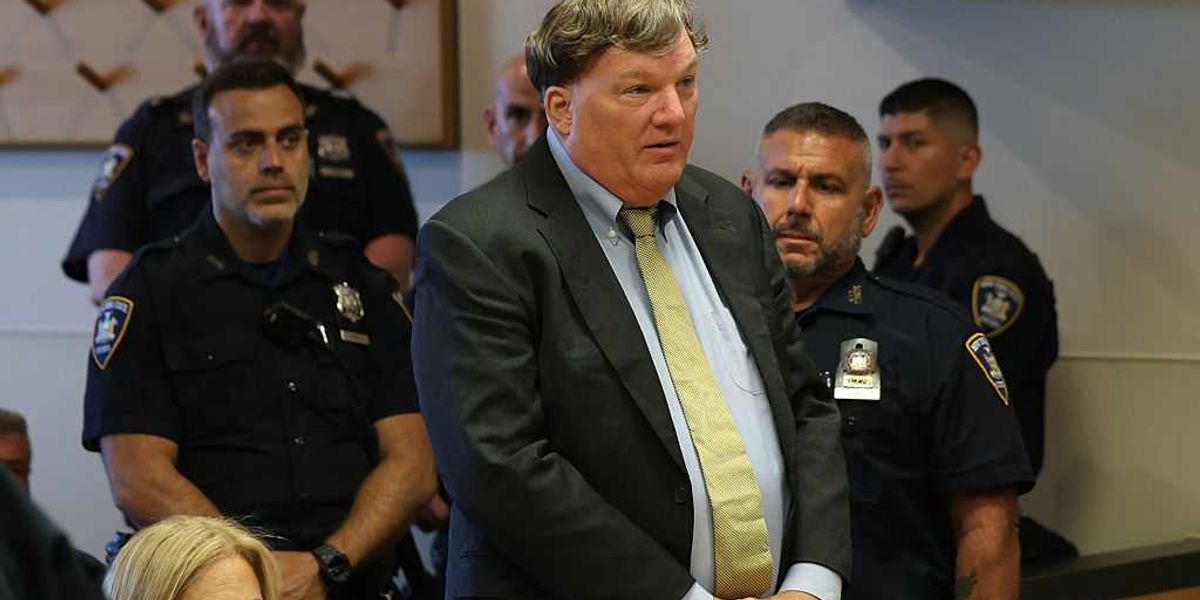
Rex Heuermann was handed a sentence that ensures he will never leave prison after admitting to a string of killings tied to the Gilgo Beach case, and the courtroom was hostage to raw grief and anger as victims’ families spoke directly to him and to the public about decades of loss and trauma.
The sentencing laid out the legal end point of a long investigation and the emotional crescendo for loved ones who had waited years for answers. Courtroom testimony and victim impact statements painted a portrait of pain, taunts, and the lasting damage of unsolved murders. The judge made clear the sentence was meant to reflect the gravity of what prosecutors say happened.
Heuermann pleaded guilty to multiple counts tied to the deaths of several women and acknowledged killing an additional victim dating back to the 1990s. The court ordered three consecutive life terms plus an extra 100 years with no possibility of parole, effectively removing any question about his future. That formal judgment followed years of forensic work and renewed attention to cold-case evidence.
Families filled the courtroom and used their time to address him directly, refusing to let the moment be abstract or muted. Amanda Funderburg, whose sister was killed, demanded his attention in a sentence that cut straight to the point: “Look at me while I’m talking.” The rawness of those statements made the legal words on paper feel secondary to the human toll described in the room.
Several relatives detailed how Heuermann’s actions reverberated through their lives, from crippling anxiety and trauma to the loss of childhoods and milestones. “I was robbed of my youth, I was robbed of my young adulthood, and I still feel robbed today,” one daughter told the court about the years she’s carried that absence. There was no attempt to soften the impact when survivors and family members spoke.
The district attorney’s remarks were read in court as part of the official record, and one block of text was presented in full to underscore the point that the families had been central to the investigation and the eventual conviction.
For the families of these eight young women who have waited decades for this day, your voices have been heard. Rex Heuermann will now serve the rest of his life in prison for taking the lives of your loved ones. None of the success of the Gilgo Beach Task Force would have been possible without your relentless dedication and assistance. You are the reason we do what we do. I also extend my heartfelt thanks to all the talented investigators from the partner agencies in our task force for their amazing work.
Beyond the courtroom words, witnesses recounted terrifying and personal details about phone calls, taunts, and the invasive ways the suspect is accused of tormenting families. That history added a layer of outrage to the grief, and in some instances relatives called him everything from a monster to an ogre when the moment demanded blunt description. Those phrases echoed the sense that legal closure does not erase the suffering.
Another family member issued this sharp promise to the man convicted in their loved one’s death: “Do me a favor — save me a spot in hell, because I’ll see you there.” The line landed like a verdict of its own, a raw personal judgment that the courtroom could not soften. For many listening, it was as close to catharsis as the moment allowed.
Court documents and investigators have painted a picture of method and opportunity, with surveillance, tracking, and DNA evidence contributing to the case that had stayed cold for years. Authorities say a combination of genetic leads and digital forensics pushed the investigation forward and tied the suspect to victims across a span of years. Those technical breakthroughs are now part of the public record that led to the guilty pleas.
The judge harshly rebuked the defendant in open court and made clear the sentiment in the room was not one of sympathy. “You’re a disgusting, small man, if you’re a man at all. And you’re a coward.” He then ordered, “Get him out of here,” which brought audible reaction from the families gathered for the hearing. That moment summed up the emotion that legal language otherwise struggles to capture.
Some relatives directed anger beyond the defendant, criticizing media projects and productions that they felt profited from the crimes and added fresh wounds. They accused people connected to those projects of enriching themselves off the pain of victims’ families, and that accusation fed the sense that grief was being commercialized. Those comments widened the conversation in the courtroom to include how tragedies are handled in the public square.
Not everyone connected to the case appeared in court; some relatives and former family members of the defendant stayed away to avoid distracting from the proceedings. Lawyers explained those absences as choices made out of respect for victims, while families in attendance made it clear the focus remained on the lives lost and those left to pick up the pieces. The hearing served as both legal closure and a public airing of long-held wounds.
As the day closed, the sentence stood as a final, formal acknowledgment of the crimes and a firm legal end to one chapter of the investigation. The families left with the knowledge that the person found responsible will spend the rest of his life behind bars, but for them the broader work of remembering and rebuilding is ongoing and deeply personal. The courtroom acted as a forum where law and raw human grief collided, and the result felt definitive even where it could not fully heal.
Heuermann spoke briefly and expressed a sense that his words could not match the gravity of what had happened: “There are no words that I can say. The words I would say have no meaning.” That quiet line contrasted with the forceful statements from those he harmed, and it showed a marked shift from courtroom testimony to the human aftermath. The legal penalties are set, but the echoes of the case will be felt for years to come.
