
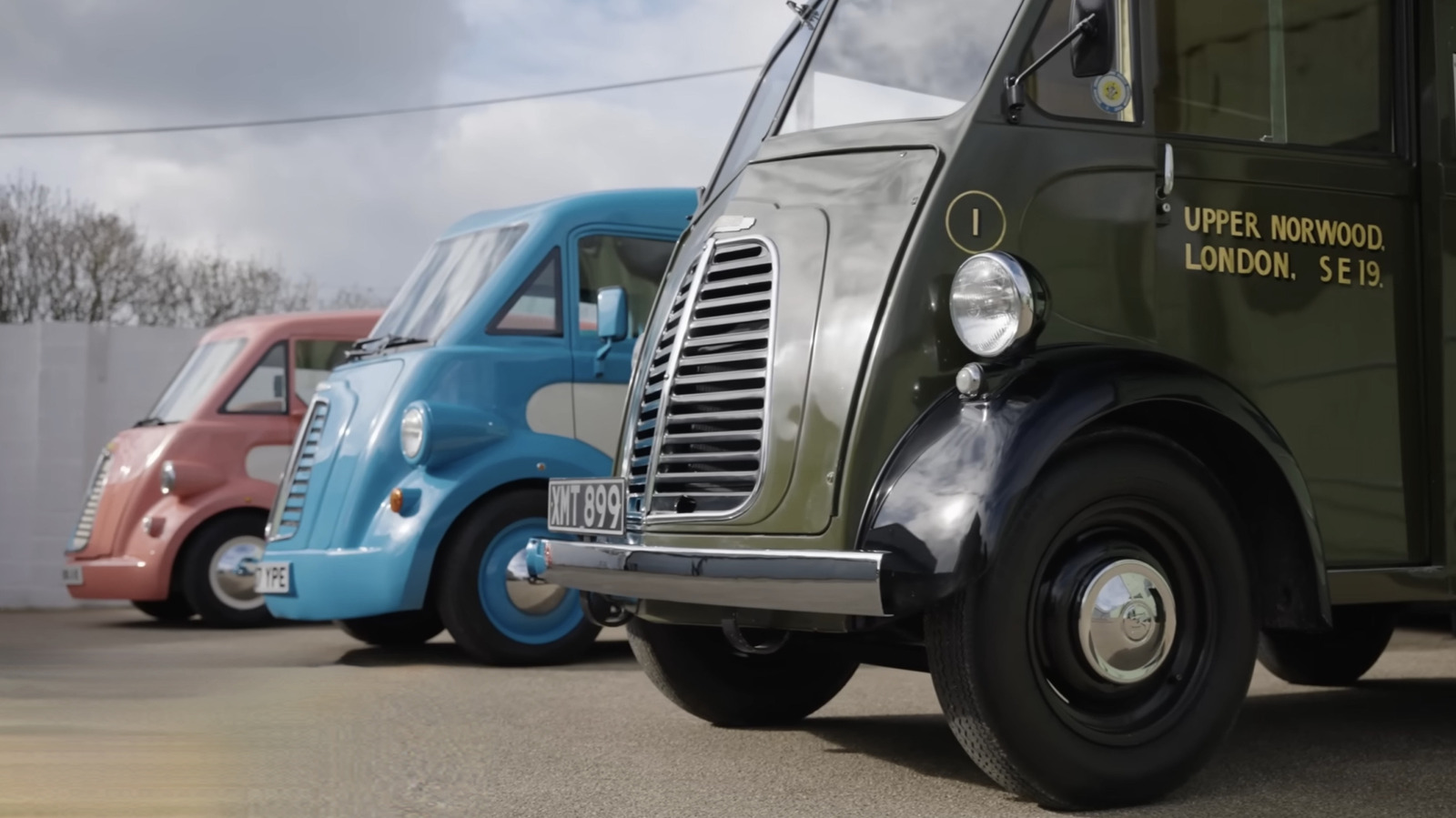
The story here is simple: a modern van borrows the look and charm of a Volkswagen from the 1940s and wraps it in today’s technology and safety standards. Expect rounded shapes, a friendly face, and an interior that nods to the past while hiding current conveniences. This piece walks through the styling cues, practical tradeoffs, and the kinds of buyers who will gravitate toward a machine that feels like a time capsule on wheels.
The visual inspiration is unmistakable, with designers pulling classic cues such as a split-like windshield effect, prominent rounded wheel arches, and a compact, upright stance that reads as vintage at a glance. Chrome touches and two-tone paint options do the heavy lifting in selling the retro vibe, while larger modern glass and slimmer pillars keep sightlines safe and usable. The result is less literal copy of a 1940s Volkswagen and more a mood piece that channels the era without sacrificing modern proportions.
Up close, details take over: rounded bumpers, circular headlight housings, and a simple grille plane that reads clean and friendly rather than aggressive. The roofline is gently curved to echo those old vans, and designers often tuck functional elements like sensors and cameras into trim pieces so technology doesn’t spoil the aesthetic. Those choices make the van feel cohesive, and they show how careful styling can make a new vehicle look timeless rather than dated.
Inside, the cabin usually plays a careful game of nostalgia and practicality, pairing retro-inspired switches and toggle knobs with durable modern materials. Seats are arranged for flexibility, whether the van is used for commuting, weekend gear, or light cargo duty, and manufacturers tend to hide big screens in neat pods so the dash reads simple at a glance. The tactile experience is important here, because much of the appeal rests on the emotional connection drivers feel when they touch old-school controls remade for today.
Underneath, these vans almost always rely on modern mechanicals and platforms to meet current safety and emissions rules, so expect a unibody or contemporary body-on-frame base with modern crash structure. Powertrains vary, but many makers are leaning toward electric versions to blend quiet, smooth operation with packaging advantages for cabins and flat floors. Even when an internal combustion option exists, turbocharging and hybrid assist are common to keep economy respectable without undermining the retro personality.
The buyers for this kind of vehicle tend to be people who prioritize character and lifestyle over pure cargo capacity or outright speed. Young families, creative professionals, and people who value weekend adventures are the obvious market, along with small businesses that want a bit of personality from their fleet. The camper and micro-conversion crowd also eyes these vans because the boxy-yet-curved shape adapts well to sleeping platforms, kitchenettes, and modular storage systems.
Practical concerns are handled up front by engineers who add modern lighting, active safety systems, and improved access features like low floors and wide sliding doors. Visibility and maneuverability are often enhanced by cameras and parking aids hidden behind trim so the exterior keeps its retro silhouette. These upgrades keep the vehicle usable in daily life while reducing the compromises the styling might otherwise demand.
There are tradeoffs. Achieving that classic look can add cost, especially when manufacturers must design unique body panels, specialty trim, and bespoke interior bits. Aerodynamics also suffer if designers cling too tightly to vintage shapes, which can reduce efficiency unless careful airflow work is done under the skin. In the end, buyers are paying for attitude and design, and companies must balance nostalgia with practicality to keep the price and performance competitive.
Seen on the street, a van that channels a 1940s Volkswagen does more than move people and gear, it sparks conversations and nods from strangers. The appeal is emotional and visual as much as it is technical, and that makes these vans a distinct slice of the market rather than a mass-market commodity. Whether the trend becomes a durable niche or a passing fancy depends on how well manufacturers marry charm with the everyday needs of modern drivers, and how much buyers are willing to trade pure utility for personality.
