
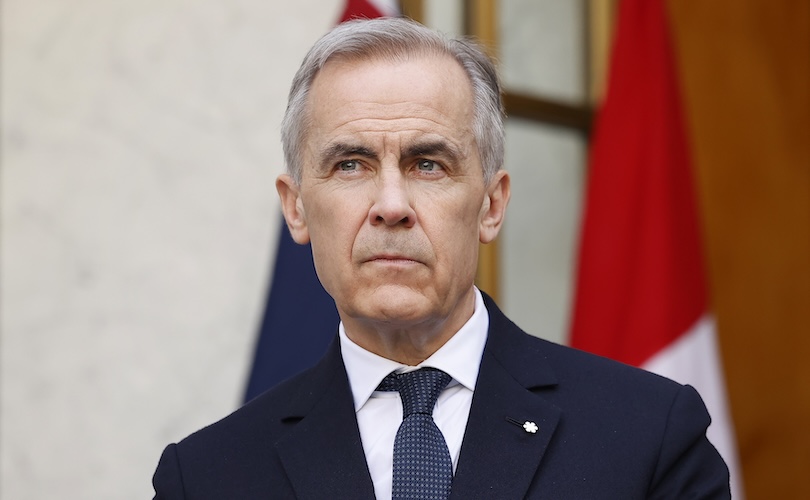
Canada’s House of Commons has refused a last-minute bid to stop Bill C-9, a law critics say could criminalize quoting sections of the Bible that address homosexuality. With Royal Assent looming, this move shifts the debate from Parliament to everyday life, raising sharp concerns about free speech and religious liberty. The law’s passage matters beyond Ottawa because it touches on how democracies balance protections for vulnerable groups with basic freedoms of conscience and expression.
Bill C-9’s language and the vote that carried it expose a growing tension between government power and individual conscience. Conservatives see this as a direct attack on the right to teach and preach religious convictions without fear of criminal consequences. That is not a small thing; religious practice and moral speech are foundational to a free society and should not be chilled by vague criminal penalties.
The immediate legal risk is uncertainty—what counts as quoting the Bible in a way that could trigger prosecution? When statutes are broad or ambiguous, they give agencies and prosecutors too much discretion. That invites selective enforcement, where ordinary clergy, teachers, or private citizens could find themselves targeted for expressing beliefs that have been part of Western thought for centuries.
Churches and faith-based charities face particular exposure because they interact with people who are searching for moral guidance. Pastors counseling parishioners, youth leaders discussing scripture, and university chaplains could all be caught in a gray zone. That will likely cause institutions to self-censor rather than risk legal trouble, and self-censorship is the quiet erosion of freedom.
There’s also a cultural cost. When people fear legal backlash for speaking about religion, public conversation narrows and civic trust erodes. Free debate across sincere but opposing viewpoints is necessary for good lawmaking and social cohesion. A society that discourages heartfelt moral argument undercuts its own capacity to resolve differences peacefully.
From a policy perspective, governments should pursue targeted protections against real harms while preserving room for robust religious expression. That balance is how free societies treat sensitive topics. Reasonable limits on conduct do not need to become blunt instruments that stifle speech and conscience across the board.
Political actors who defended Bill C-9 argued it protects vulnerable people, and protecting dignity is important. Yet protecting dignity should not mean silencing faith communities or criminalizing scriptural teachings. A Republican viewpoint stresses liberty first: protect individuals from harm, but do not weaponize the criminal code against moral conviction and free expression.
Now that Royal Assent is imminent, churches, legal groups, and citizens must assess their next steps within the rule of law. Legal challenges, legislative fixes, and public advocacy are all legitimate avenues to respond. What matters most is preserving a public square where faith can be practiced and spoken without fear of criminal reproach, while still caring for the vulnerable among us.
