
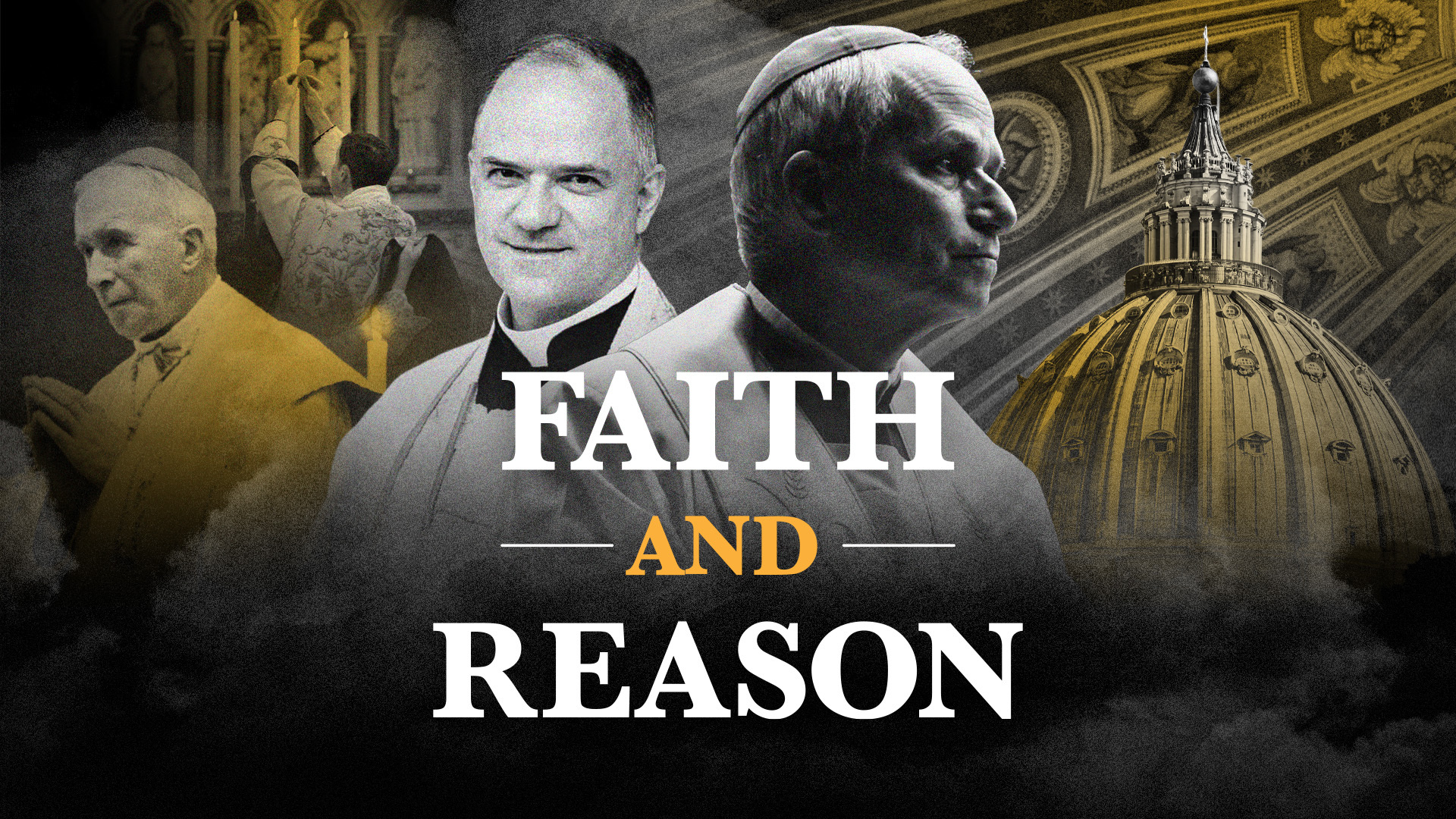
This piece looks at recent controversies circulating in the Catholic world, tracing comments attributed to Pope Leo XIV, moves within the Society of Saint Pius X, allegations tied to the Basilica of Our Lady of Guadalupe, and Archbishop Carlo Maria Viganò’s public appeal, while also touching on the broader cultural currents reshaping Catholic identity and liturgical life.
Talk about Pope Leo XIV has reopened debates over leadership tone and doctrinal emphasis inside the Church, and those words are being read through very different lenses by clergy and laity. Some hear a pastoral attempt to calm tensions, while others see language that could shift priorities toward reconciliation at the expense of stricter discipline. Either way, the reactions reveal how charged expectations are about where Catholic leadership should steer the faithful.
The Society of Saint Pius X remains central to that conversation, as its trajectory tests how tradition and canonical regularization can be balanced. For many Catholics, the SSPX represents a deep longing for preconciliar forms and a liturgical language they find stabilizing. At the same time, critics warn that an uncritical embrace of older practices risks isolating communities from the Church’s present governance and pastoral responsibility.
Questions of liturgy are not academic; they shape worship, identity, and parish life in very practical ways, and debates over sacraments, rites, and ceremonial habitus often carry hidden political weight. People on all sides argue about what preserves authenticity and what becomes mere nostalgia, and those disputes play out in diocesan meetings and kitchen-table conversations alike. The stakes are a living expression of faith and the cohesion of communities trying to pass on belief to the next generation.
Allegations around the Basilica of Our Lady of Guadalupe have injected a different strain of anxiety, focusing on governance, money, and accountability in sacred spaces. When worship sites become entangled with accusations of financial misconduct or managerial failure, trust erodes and pastoral priorities get distracted by legal and reputational fallout. The wider effect is real: parishioners wonder whether devotion is being protected or commodified, and bishops face pressure to demonstrate transparency and decisive oversight.
Archbishop Carlo Maria Viganò’s latest public appeal adds another layer to the mix, amplifying concerns about ecclesial direction and the role of public witness. Whether one agrees with his tone or conclusions, these appeals influence how Catholic activists and ordinary believers see the urgency of reform and the means for addressing perceived crises. The result is a sharper divide in the public square, where ecclesial disputes spill into media narratives and political conversations.
These internal Church debates do not happen in a vacuum; they intersect with contemporary social issues that shape public witness and internal formation. Questions about family, education, and bioethics are negotiating space with concerns about institutional integrity and sacramental life, and parish ministries are constantly adjusting to cultural changes. The Church’s public face is being tested by how well it balances prophetic clarity with pastoral compassion.
All this leaves clergy and lay leaders with hard choices about priorities, tone, and strategy when responding to controversies and pastoral needs. Some advocate for strict corrective measures to restore order and credibility, while others push for patient reform through dialogue and grassroots renewal. The tension is not new, but the speed of information and the intensity of public reaction make each decision more consequential than before.
Folks paying attention should expect ongoing friction as traditions are defended, reforms are debated, and accountability mechanisms are demanded by an engaged laity. Conversations about liturgy, governance, and public witness will keep unfolding in parish halls, chancery offices, and online forums, and the shape of Catholic identity will continue to be contested in concrete ways that matter for everyday faith life.
