
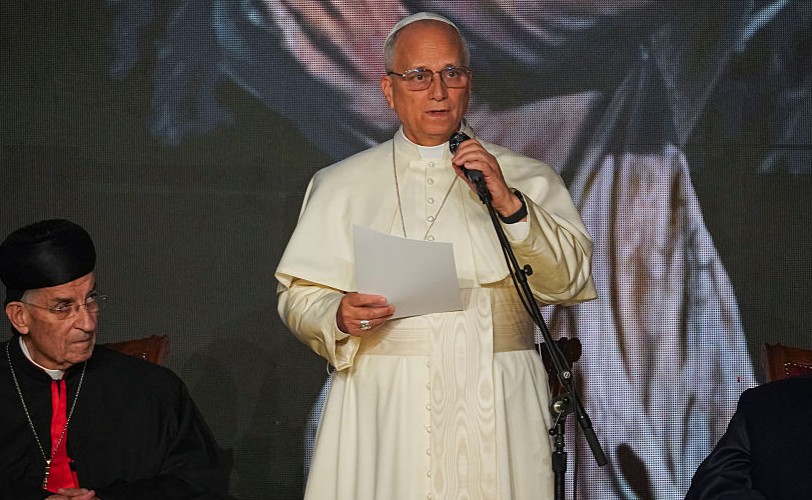
Pope Leo has publicly urged the Society of Saint Pius X to hold back from ordaining bishops in a move that many fear could deepen a break inside the Church. He framed the plea as an attempt to keep lines of dialogue open and to preserve communion instead of rushing toward a formal split. This piece examines the warning, the risks of episcopal ordinations outside Rome, and what it might mean for priests and lay Catholics who care about unity.
‘I am still considering making another appeal, to say, ‘Do not do this. Let us try to live in communion in the Church,” Pope Leo said Tuesday. Those words land heavy because ordaining bishops outside normal canonical structures is one of the clearest accelerants of schism. The pope is not merely asking for courtesy; he is warning about a structural choice that changes relationships inside the Church.
At stake is how authority and sacramental ministry are recognized. A bishop holds not only liturgical and pastoral responsibilities but also a visible bond with the wider Church through communion with the See of Rome. When that bond is bypassed, questions of legitimacy, pastoral care, and ecclesial identity cascade quickly.
The Society of Saint Pius X has long stood at the intersection of longing for older forms of worship and resistance to reforms; that tension fuels both devotion and controversy. Some within the society argue that consecrating bishops is necessary to guarantee sacramental life and oversight. Others see such a step as an irreversible move toward parallel structures and a competing claim to Catholic identity.
Pope Leo’s appeal is also practical: ordaining bishops without canonical approval can leave priests and faithful in limbo. Who will confirm marriages, validate confirmations, or offer stable governance if lines of authority are unclear? The confusion affects ordinary people who seek rites and pastoral care, not just theological debates among elites.
There are precedents for reconciliation when both sides negotiate seriously, and the Vatican has shown patience in the past with groups in irregular situations. But patience has limits when actions threaten to create a de facto separate hierarchy. The pope’s warning operates as both invitation and red line, encouraging dialogue while signaling possible consequences if talks break down.
Internally, bishops worry about the ripple effects in dioceses where faithful and clergy may be drawn away or tempted to align with alternative jurisdictions. Parish stability depends on clear relationships, predictable oversight, and mutual recognition of ministries. A contested episcopal presence can undermine that stability and spur competing loyalties.
For the faithful, the conversation is painful yet simple: many want the sacraments and a church they recognize as one body. They do not always follow the technicalities of canon law, but they feel the outcome in Sunday attendance, in confirmations for their children, and in the pastoral tone of their pastors. A fractured approach to episcopal ordination risks alienating precisely those people the Church seeks to shepherd.
Canon law exists to protect both freedom and unity, and the process for appointing bishops was designed with those priorities in mind. Exceptions and irregular arrangements have appeared historically, but they usually come at the cost of clarity and communion. That cost can be spiritual, pastoral, and institutional all at once.
Where does this leave dialogue? The pope’s statement leaves room for continued talks while making clear the stakes. If both sides prioritize reconciliation instead of unilateral moves, there remains a pathway to regularize ministry and preserve the bonds that define Catholic unity.
What happens next will depend on choices from leaders who must weigh devotion to tradition against the imperative of visible communion. Whatever unfolds, the core concern is straightforward: preserving a Church that can pastor her people without splintering into rival claims. The pope’s plea is meant to steer that outcome toward unity rather than rupture.
