
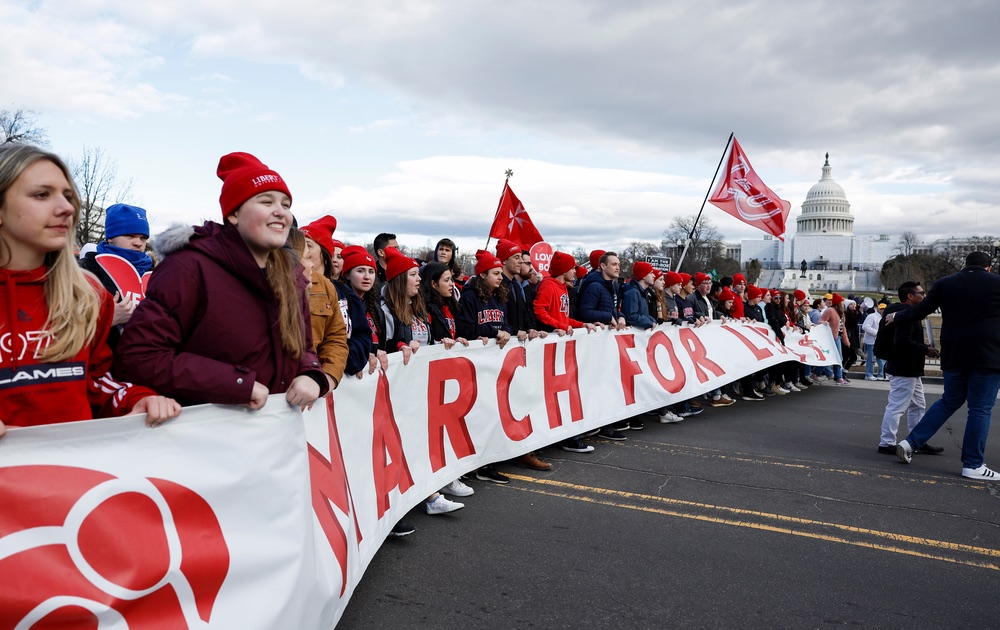
The Ontario Superior Court has struck down a sign ban imposed at the 2023 March for Life in Ottawa, finding the restriction violated the pro-life organizers’ rights. The ruling centered on the balance between public order and free speech, and it favored expressive protections. This piece looks at what the decision means for future demonstrations, legal arguments, and the broader fight for free expression.
The court addressed a rule that had prohibited signs showing graphic images at the March for Life. Organizers argued the rule muzzled their message during a high profile public event, and the court agreed. The ruling gave clear weight to the importance of allowing citizens to speak openly in public demonstrations.
The judgment stated the ban ‘infringed’ upon Campaign Life Coalition’s ‘freedom of expression’ and ‘was not justified under section 1 of the Charter.’ Those exact words matter because the court did not merely split hairs over technicalities. It framed the ban as an unnecessary override of a constitutionally protected right, and that matters for any future attempt to limit controversial imagery at public rallies.
This is not just about one march or one set of images. It sets a precedent that authorities must meet a high bar before they silence protest speech, especially when that speech is political and public. The decision pushes back on a trend where discomfort alone is used to justify censorship, and it reminds officials they cannot treat expressive content as disposable when it is unpopular.
For supporters of free speech, the ruling is a validation. It says that even deeply divisive or upsetting messages have a place in public debate when expressed in a lawful way. For organizers, it means they can plan displays knowing courts may protect their rights if those displays are targeted by broad bans.
Critics will argue this allows offensive content into public spaces, and that is a legitimate concern for some. The court, however, requires proportional responses from the state when it restricts expression. That keeps the focus on narrowly tailored rules, not sweeping prohibitions, and it forces authorities to justify limits rather than impose blanket silences.
Politically, the ruling aligns with a consistent principle that free expression must be defended across the board. From a Republican perspective this is about guarding constitutional freedoms against encroaching administrative decisions. The lesson is clear, elected officials and law enforcement must respect the right to speak, even when the view expressed clashes with prevailing cultural norms.
Legally, the decision will guide lawyers and activists on both sides of contentious issues. Defenders of speech now have a recent provincial case to cite when arguing against bans that are too broad or too vague. Opponents will need to craft more specific and narrowly focused regulations if they hope to pass constitutional muster.
In practical terms marches and demonstrations will likely be planned with the court’s standard in mind. Organizers will push back against preemptive bans and officials will be more cautious about imposing content based limits. The ruling does not give unlimited license to shock, but it does reaffirm that political expression, even when uncomfortable, enjoys strong protection under the law.
