
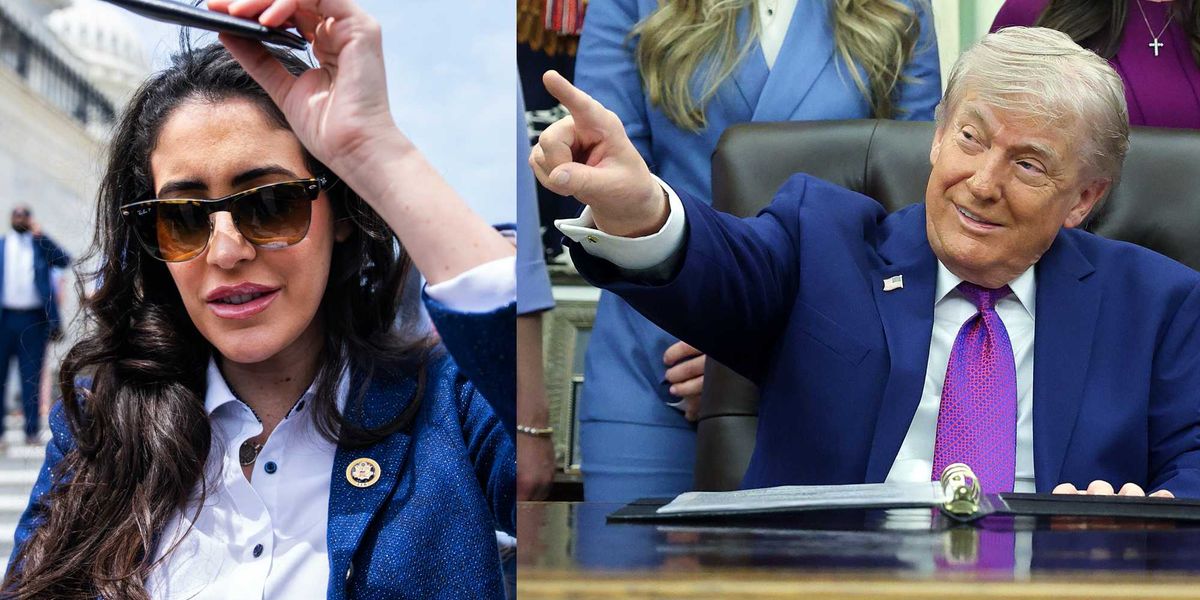
Congresswoman Anna Paulina Luna is moving to cancel the 2019 impeachment of President Trump after a new DNI release that she says destroys the case against him. Her move follows a DNI report that described the Russia-collusion narrative as politically spun, and it arrives alongside personnel changes at the DNI office. This piece lays out Luna’s claim, the DNI’s findings, the human context around the report, and what comes next in plain terms.
Rep. Anna Paulina Luna (R-Fla.) has concluded the claims of Russian collusion that fueled the first impeachment were baseless and wants the record corrected. She argues the narrative that led to impeachment was built on manufactured intelligence and political spin, not solid evidence. That is the core of her push: a formal resolution to void what she calls a fraudulent process. The timing matters because new DNI material has landed in conservative hands and changed the talking points.
‘It was a terrible lie that tore this country apart, and was plotted by a weaponized intelligence agency under Obama.’ Those words have been repeated by Luna and her allies to explain why a corrective measure is needed. They are intended to capture the scale of damage she sees: broken trust between Americans, frayed foreign ties, and a stain on presidential legitimacy. Whether Congress signs off on a voiding resolution is the next political fight.
https://x.com/RepLuna/status/2065461054100906127
The 2019 impeachment centered on allegations that President Trump tried to pressure Ukraine into investigating alleged corruption tied to members of the Biden family. That episode became the flashpoint for months of hearings, headlines, and partisan warfare. Luna’s assertion is that the facts underpinning the case never held up and that a follow-up review by intelligence officials has undercut the original storyline.
“I will be putting forward a resolution to void the fraudulent impeachment of President Trump during his first term in office. Russia collusion never happened,” Luna wrote publicly as she announced her plan. The wording is blunt and deliberate, meant to make the point that a formal congressional action is needed to clear the record. For Republicans who have long argued Trump was targeted unfairly, this is a way to convert grievance into policy.
The DNI report that fueled this move described the inquiry into the call as spun out of “politicized, manufactured narratives” created by Trump’s political opponents. That phrase has become a lightning rod in conservative circles, used to argue that intelligence was weaponized for partisan gain. If congressional investigators accept that view, the political consequences would ripple through how oversight and intelligence are handled going forward.
“It was a terrible lie that tore this country apart, and was plotted by a weaponized intelligence agency under [former President Barack] Obama. There is no monetary value that can be assigned to the damage this lie caused. It destroyed families’ relationships with one another, our country’s comradery [sic], and our relationship with another nuclear super power (Russia) that could have resulted in war,” Luna added. Those are strong words, meant to underscore the personal and strategic costs she believes flowed from the original allegations.
The person behind the new DNI report, Tulsi Gabbard, has stepped down from the DNI office amid personal hardship as she and her family face a serious medical situation. Gabbard cited her husband’s diagnosis with an extremely rare form of bone cancer and the need to focus on family care. Her departure adds a human element to the story and raises questions about who will carry forward the DNI’s findings inside the administration.
President Trump has indicated a replacement is likely, with former SEC chairman Jay Clayton named as the preferred successor in public comments. That signal suggests the White House plans to keep momentum on personnel changes tied to the review and to pick figures aligned with an agenda of reasserting a conservative approach to oversight. Meanwhile, the politics of naming a successor will play out in hearings and public exchanges.
Trump’s impeachment history is part of the backdrop: he was impeached by the House in 2019 and later acquitted by the Senate, and a second impeachment after Jan. 6 followed the same pattern with an acquittal in the Senate. The president famously called impeachment a “dirty, filthy, disgusting word” and dismissed it as “giant presidential harassment” at the time. Those comments still resonate with supporters who view both efforts as partisan attacks rather than legitimate accountability.
Now Luna’s resolution will test whether Republicans in Congress are ready to take an assertive step to rewrite the institutional record. The effort is political theater and policy at once: it gives conservatives a chance to push back, while forcing Democrats to defend how they handled the past. Whatever happens next, the move breathes new life into an old controversy and will shape the debate over intelligence, oversight, and presidential vulnerability for years to come.
