
Permitting reform is about more than paperwork; it is about rebuilding America’s defense industrial base so we can outproduce and outlast any adversary. This piece argues that streamlining approvals, prioritizing infrastructure, and treating industrial scale-up as a national security mission are urgent Republican priorities.
Washington has treated permitting as a tangle of technicalities, while our competitors quietly built capacity. That oversight left vital supply chains dependent on foreign yards and mills rather than American factories, creating a dangerous strategic gap. Fixing permitting is a frontline defense issue, not just a regulatory one.
China now controls huge swaths of global manufacturing that matter for warfighting. Its steel output dwarfs ours by roughly 12-to-1, and its shipbuilding capacity can exceed ours by orders of magnitude. Those are not abstract stats; they translate directly into who can sustain combat operations and for how long.
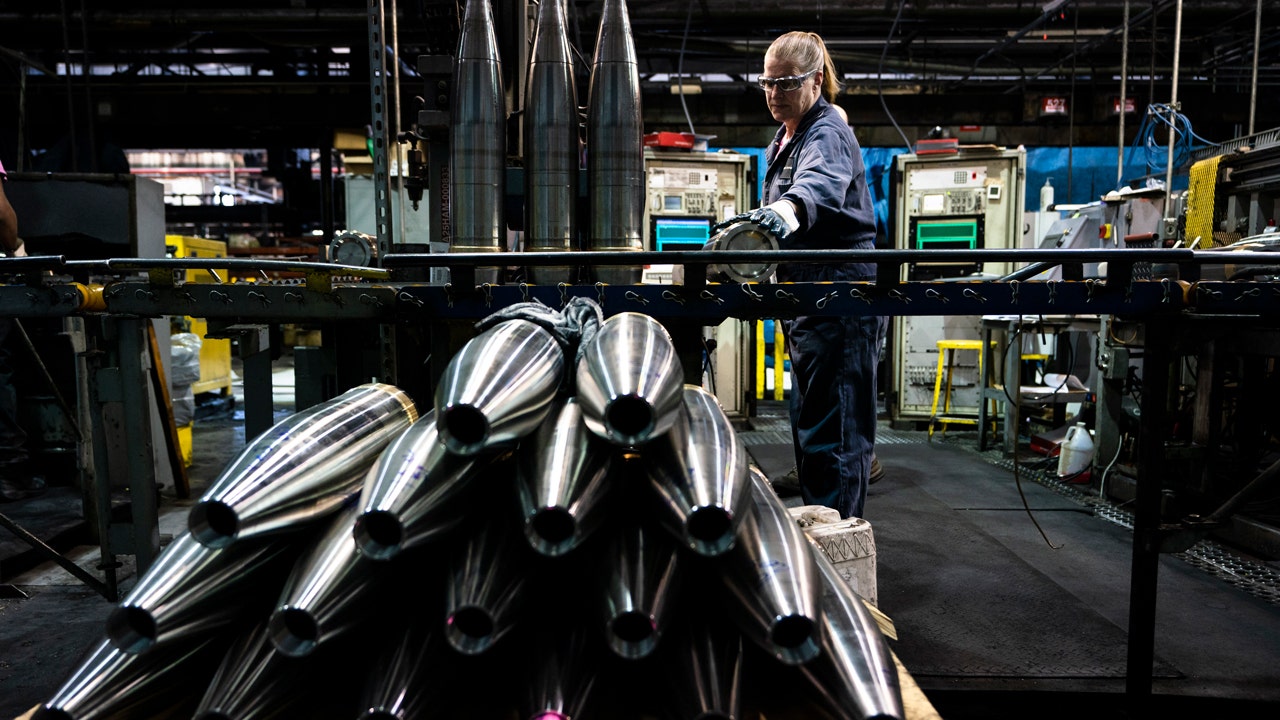
The problems show up fast in modern conflicts. In Ukraine, our munitions production could not keep pace with demand, pushing monthly 155mm shell needs well beyond what we were able to deliver. That shortfall exposed the limits of just-in-time supply chains and idle production lines that could have been kept warm with better policy choices.
History proves manufacturing wins wars when it matters most. In World War II the United States mobilized an industrial juggernaut that outproduced adversaries in aircraft, tanks, and ships, and that production capacity changed the outcome. Manufacturing matters more than surprise gadgets when a sustained surge is required.
American industry once had that agility; today we live with hollowed-out capabilities, retired workforces, and infrastructure that cannot be rapidly scaled. Roads, ports, rails, power and data lines are the arteries of defense production, and permitting gridlock chokes them. Factories need reliable, affordable energy and quick approvals to turn capacity back on.
The modern equivalent of mechanization is AI, and the country that controls AI-enabled production gains a decisive edge. But AI does not run without power, facilities, and materials that are permitted and connected to the grid. Ignoring that reality lets rivals convert research advantage into battlefield advantage faster than we can respond.
Every year of delay matters. Projects hung up in permitting not only take longer to finish, they cost more — often 10 to 20 percent more per year of delay, with multi-year holdups doubling or tripling budgets. Speed is a strategic multiplier; delaying construction and upgrades hands time and cost advantages to adversaries.
Changing this requires law, not just memos. Congress should treat reconstruction of defense supply chains as a high-priority national security task, with legislative authority to accelerate maintenance, replacement, and new construction. That means legislative clarity about when streamlined review applies and how projects get prioritized.
Prioritizing defense industry buildout does not mean abandoning environmental standards. Any accelerated path should enforce robust monitoring, reporting, inspection, and accountability mechanisms. Compliance, penalties, and transparency must remain in place so projects meet environmental performance requirements while moving at the speed of national security.
There is bipartisan precedent for targeted waivers and fast-tracks when the national interest demands it — from critical infrastructure to semiconductor plants. Republicans should lead by stressing urgency: protecting American families and preserving peace depends on industrial strength as much as diplomacy and deterrence. This is a common-sense, pro-growth national security agenda.
Permitting reform is the lever that lets us turn innovation and talent into durable production on a wartime scale. If we do not rebuild the industrial ecosystem now, the next crisis will find America wishing we had moved faster when we had the chance. The time for cautious debate is over; Congress and the administration must act decisively.
‘THIS IS NO DRILL’: CHINA’S DOMINANCE OVER US SHIPBUILDING SPARKS BIPARTISAN EFFORT
RAPID RISE OF AI PUTS NEW URGENCY ON CONGRESS TO UNLEASH AMERICAN ENERGY
