The Collin County courtroom held raw grief and a hard verdict after a jury found Karmelo Anthony guilty in the 2025 stabbing death of Austin Metcalf at a Frisco track meet, then handed down a 35-year sentence; family members used their impact statements to lay out pain, anger, faith, and the fallout they say followed the killing. In front of a packed room, Austin’s parents and twin brother confronted the man convicted of taking their son, while details about parole eligibility, possible lesser charges, and courtroom reactions filtered out to the public.
The moment the verdict landed, the Metcalf family stepped forward to explain what Austin meant to them and how his loss reshaped everything. “Since the day he first grabbed my finger, he had my heart with it,” Jeff Metcalf said, describing a bond that turned ordinary parenting into deep, lifelong devotion. He painted Austin as a friend and leader, someone who carried a light in routine, everyday moments that are now painfully absent.
“My son’s death destroyed the person I used to be.”
Jeff Metcalf did not hold back about how the aftermath extended beyond private sorrow into public harassment, saying his family faced multiple swatting calls and threats that compounded their grief. “With a gag order, I can’t defend myself when people want to tear down my son’s memory. That time is over!” he said, insisting the case was never about race but about right and wrong. He also called out the convicted man directly: “You failed your parents, yourself, and society. You don’t belong in this community.”
The courtroom exploded with feeling when Jeff slammed the table and described grief as more than sadness; “people think grief is sadness; it is not. It is rage. Pure, unfiltered rage,” he said, his voice rising. Those words landed hard in a room that had watched the trial unfold, and at one point the judge asked the prosecutor to step forward after profanity from the father caught everyone off guard. Still, Jeff was allowed to finish his statement and then stared down Anthony as he walked past, just a few feet away.
Hunter Metcalf, Austin’s twin, echoed the demand for connection when he asked Anthony for eye contact and a moment of accountability. “I would really respect that,” Hunter said, a concise request that carried the weight of daily loss and the longing for closure. He spoke about trying to walk a path of forgiveness while also grappling with an ache so present he wakes up to a door that remains closed where his brother once slept.
“Now I want everything taken from you,” Hunter said. “You took everything from me. I wake up every morning, and his door is still shut.”
Megan Metcalf recalled ordinary mornings that suddenly became the last memory anyone would have of Austin in person, a pantry of small, ordinary details turned sharp with finality. “Now I only have videos and memories of his laugh,” she said, and then addressed the convicted man: “You may have been given a sentence of 35 years. You should feel lucky,” Megan told Anthony. “I’ve been sentenced to a lifetime without my son.”
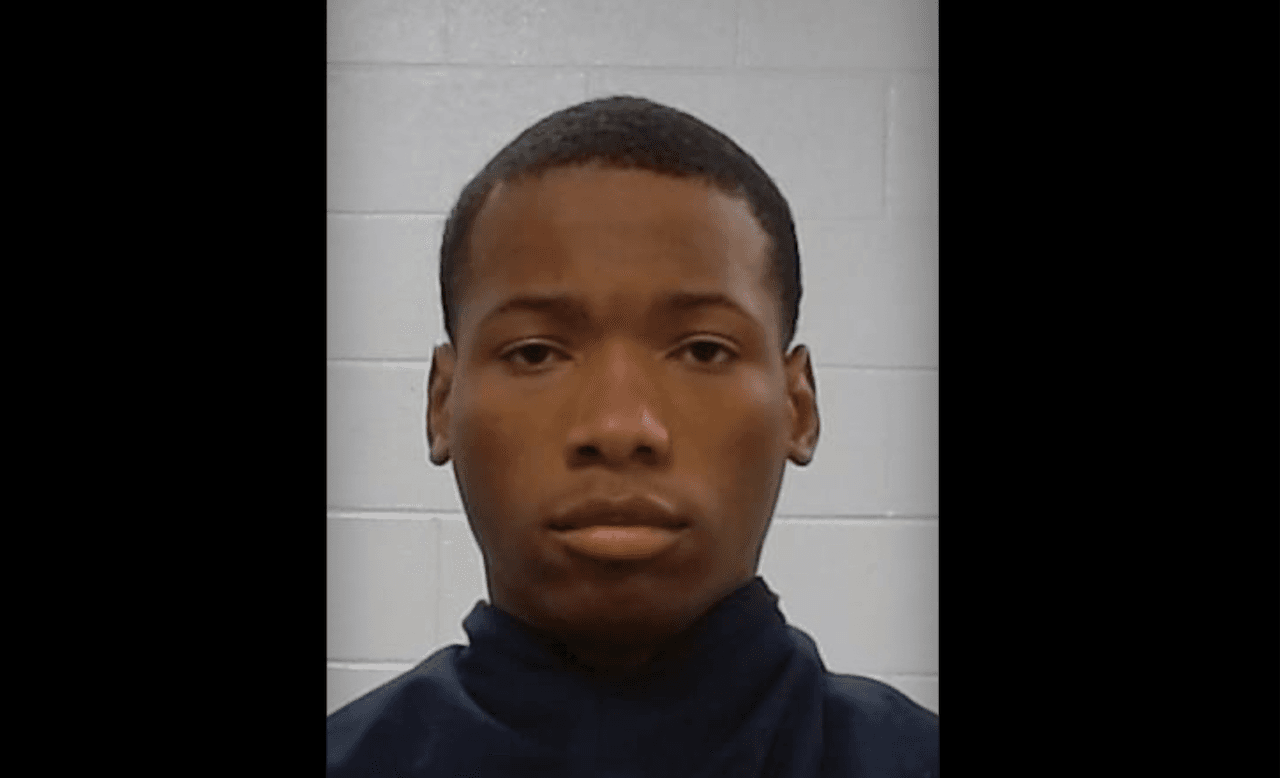
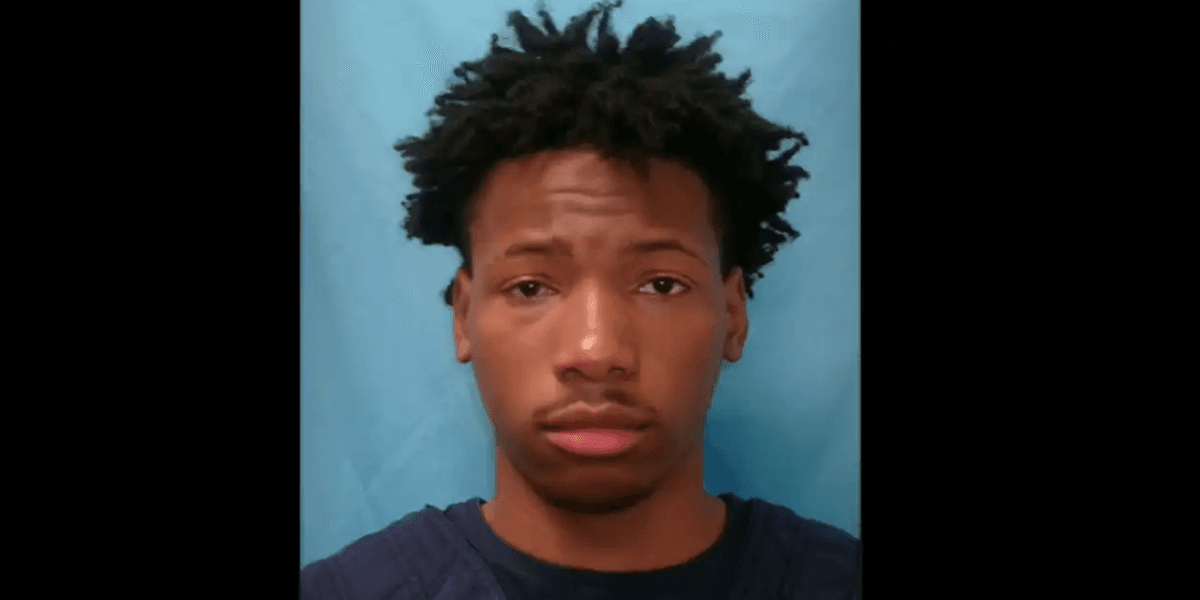
The legal picture was also explained during sentencing: Anthony, 19, received 35 years and will be eligible for parole after serving half of that term, while the conviction itself carried a possible sentencing range from five years up to 99 years. Jurors weighed whether “sudden passion” applied, which could have limited the sentence to 20 years, but ultimately chose the longer term prosecutors sought. A new booking photo was taken after he was turned over to the Collin County Sheriff’s Office.
Observers in the courtroom noted visible emotion from the defendant during the verdict and sentencing stages, with a reporter describing Anthony as shaking, sobbing, and appearing stunned as jurors read their decisions. A video captured by local news crews showed him mouthing “I’m sorry” to family members, while his parents were not present for the impact statements or sentencing. The image of a courtroom split between grief and a formal legal process underscored how private tragedy becomes public record.
The family’s statements moved beyond legal outcomes to a plea for recognition of what was stolen, and their words kept returning to memory, anger, and faith as tools to survive. Officials and those who watched the trial know the conviction is a legal response, but for the Metcalfs the sentence is a ledger entry against a gap that will never close; they left the courtroom insisting the community remember the person who was killed, not just the case that followed. The mood remained solemn and raw as the family tried to find a path forward amid ongoing pain.