
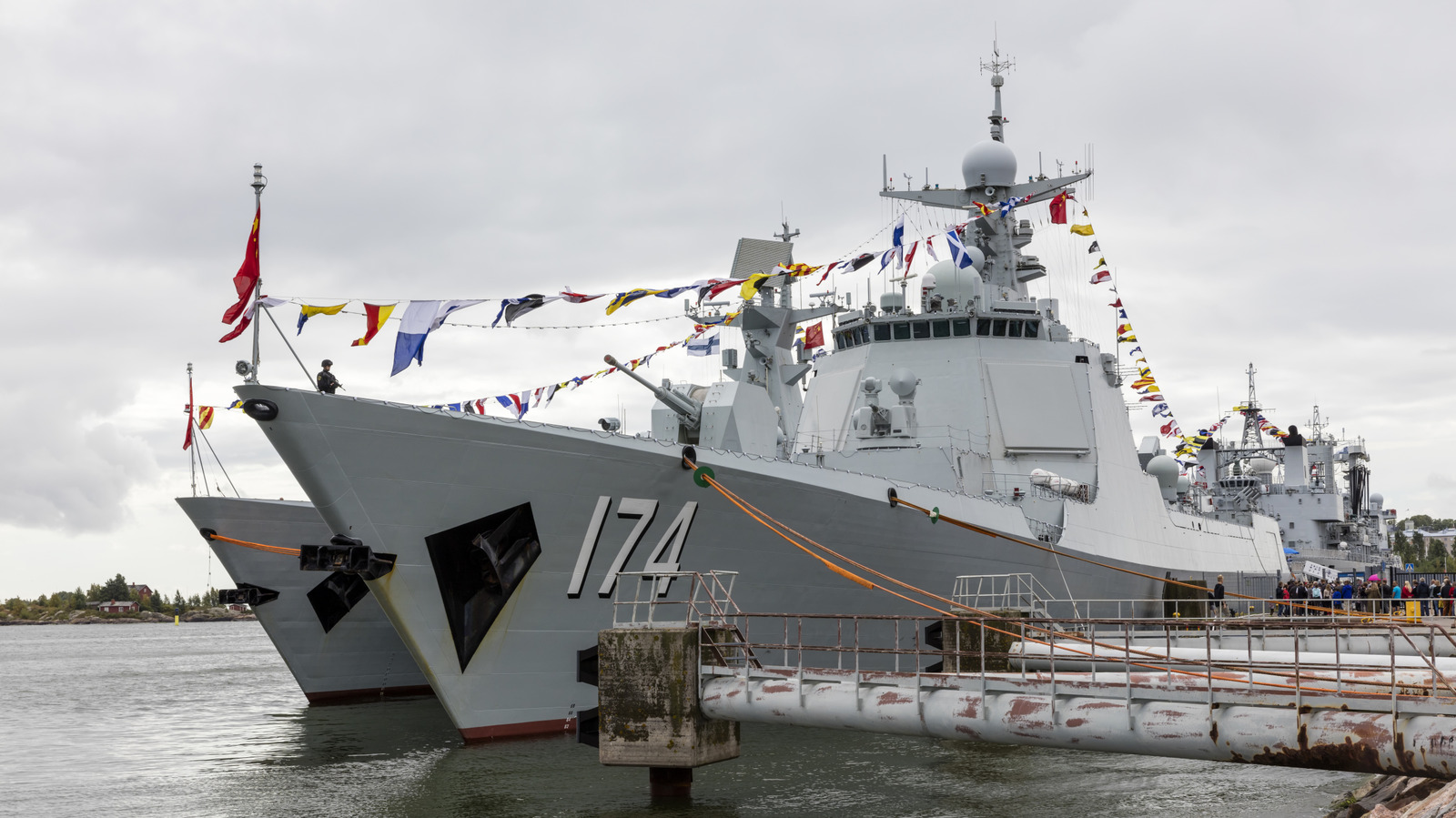
Analysts are warning that China’s accelerating destroyer program is reshaping naval balance in the Indo-Pacific, prompting urgent debate in Washington over how America should respond. This piece looks at what those ships bring to the table, how they compare with U.S. capabilities, the strategic risks they create, and the practical steps Republicans argue our country must take to protect sea lanes and deter aggression.
China is not just building more ships; it is building smarter ones. New destroyers come with bigger missile loads, modern sensors, and integrated combat systems that let Beijing threaten both surface forces and land targets with long-range precision. That matters because quantity paired with credible strike kits changes the math for any navy operating in contested waters.
It’s tempting to declare the United States unbeatable at sea, but the gap is narrowing in specific areas. Where we once counted on technological overmatch and global presence, China is chasing parity in anti-ship/firepower capabilities and mass production. Republicans are right to say this should set off warning bells rather than comforting speeches about past dominance.
Strategically, a larger Chinese destroyer fleet affects deterrence and influence across the Western Pacific. More modern surface combatants give Beijing the ability to shape crises around Taiwan and in the South China Sea, complicating coalition planning and raising the risk of localized escalation. Those ships bolster gray-zone coercion by enabling persistent patrols and imposing new risks on freedom of navigation operations.
The industrial story behind the fleet matters as much as the ships themselves. China has streamlined production lines, prioritized naval spending, and leveraged state-directed procurement to scale rapidly. Meanwhile, U.S. shipbuilding faces cost inflation, slow schedules, and burdensome regulation that make fleet expansion politically and financially painful—but not impossible with the right leadership.
So what should be done? First, rebuild the industrial base with a focus on affordable hulls and rapid procurement cycles so we can outpace numbers where necessary and modernize where it matters most. Push for a force mix that combines high-end destroyers with distributed lethality—more frigates, more unmanned surface and subsurface platforms, and smarter logistics to keep forces forward and resilient.
Politically, Republicans should press for clear priorities: funding shipyards, streamlining acquisition, and renewing alliances that share the burden of presence. Soft diplomacy alone won’t offset a fleet designed to project power; deterrence requires capability, posture, and the will to use both. The choice isn’t fearmongering versus complacency—it’s whether America intends to remain the Pacific security guarantor or accept a gradual erosion of that role.
