
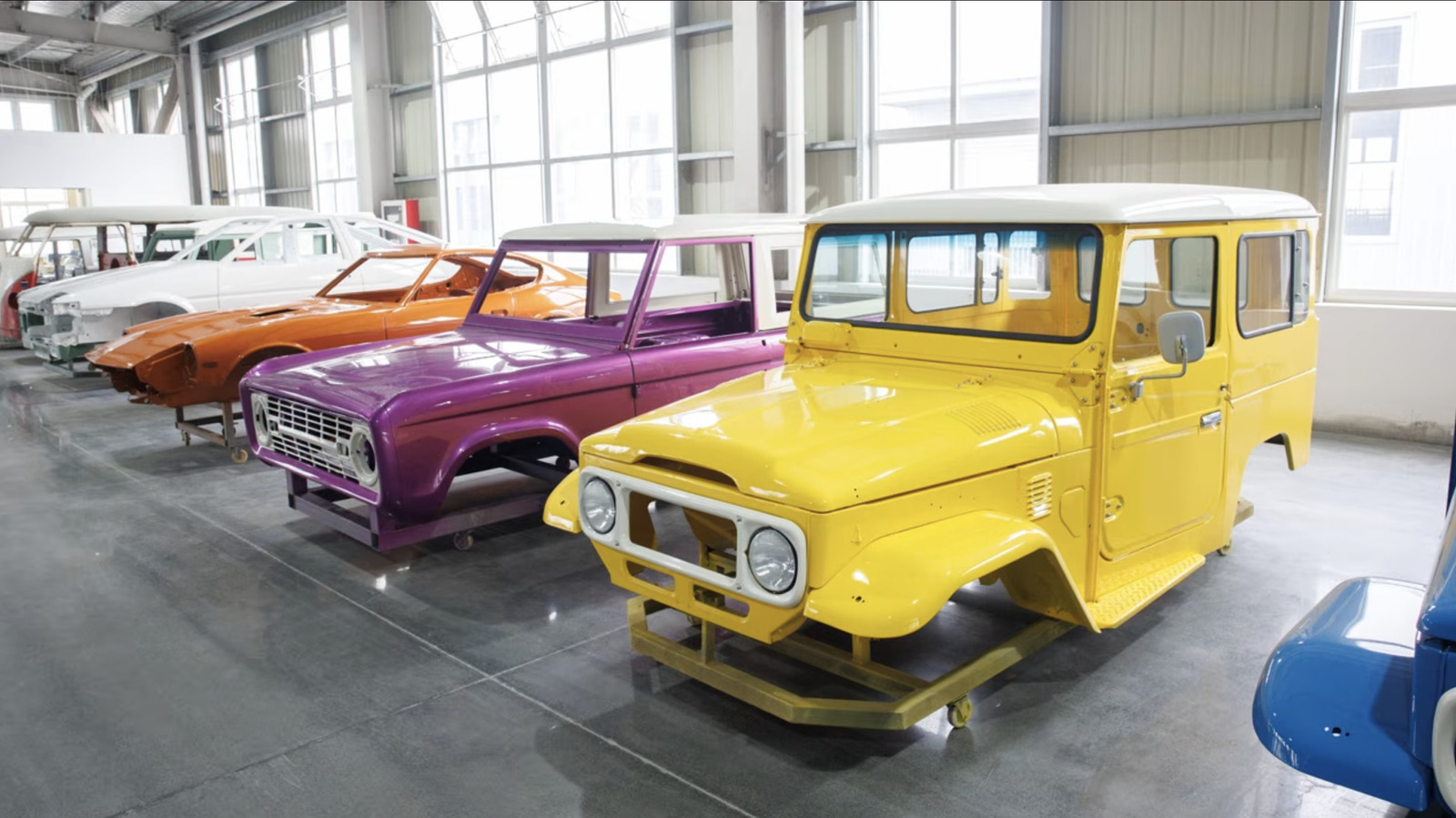
Restomods are gaining real momentum as classic car prices climb, and a Chinese company has quietly positioned itself to supply freshly manufactured bodies for vintage models. This piece looks at why newly minted bodies matter, how they change restoration economics, what quality and legal questions they raise, and why collectors and builders are already talking about the shift.
The restomod movement blends classic looks with modern reliability, and rising values for original cars are pushing more people toward alternatives. When originals fetch eye-watering sums, sourcing a brand-new body can be a practical shortcut that keeps projects alive without the sticker shock. Builders can focus on mechanical upgrades and fit-and-finish instead of hunting for rust-free shells that may never surface.
A Chinese manufacturer supplying reproduction bodies changes the calculus in a few ways. For one, it increases supply, which can ease costs and speed up timelines for hobbyists and small shops. It also shifts some control away from hard-to-find donor cars and into production runs, so restorations no longer depend solely on a rare find or a lucky auction.
Quality is the first question most people raise, and it matters. Modern tooling and manufacturing techniques can produce panels that fit well and hold up over time, but consistency is key. Buyers and builders will be watching closely for weld integrity, corrosion protection, and how faithfully shapes and mounting points match the originals.
Legal and intellectual property issues sit in the background and they are not trivial. Some classic designs are still under protection in certain markets, and original manufacturers or rights holders may object to exact reproductions. On the other hand, many car designs fall into lapsed protections, which opens the door for legitimate reproduction work that supports restoration rather than copying for profit.
There is also a cultural reaction to consider among purists who prize originality above all else. For them, a car built on a freshly stamped body might never carry the same cachet, no matter how precise the parts. Yet a growing group of enthusiasts values usability and the joy of driving a classic look with modern reliability, and they are the ones likely to welcome fresh bodies into the ecosystem.
From a practical standpoint, newly made bodies can improve safety and durability when manufacturers incorporate modern steels and coatings. That offers real benefits for daily-driven classics and restomods intended for long tours or track days. It also allows for integration of modern conveniences like updated mounting points for brakes, suspension, or wiring looms without mangling original panels.
Market dynamics will decide how widespread this becomes. If prices for untouched originals keep rising, more builders and buyers may accept reproduction bodies as a sensible alternative. Shops that specialize in restomods can scale projects faster, and a reliable supply chain for bodies reduces project risk for hobbyists who lack the patience to wait years for a donor car.
The arrival of China-made bodies is not an endgame so much as a new chapter for restorations and restomods. It offers opportunities and raises questions in equal measure, from craftsmanship and parts fitment to legal standing and collector sentiment. As the trend unfolds, expect spirited debate, case-by-case decisions, and a growing number of restored cars on roads that might otherwise never have returned to life.
