
Riding the clutch is a driving habit that strains your transmission and shortens the life of several components, but it’s easy to fix once you know what to look for and how to change your habits. This article explains what riding the clutch means, how to spot it in your own driving, why it causes damage, simple techniques to stop doing it, and routine maintenance steps that help protect your car. Read on for clear, practical guidance you can start using the next time you get behind the wheel.
Riding the clutch means keeping the clutch pedal partially engaged instead of fully released or fully depressed, often to modulate speed or avoid shifting. Drivers do it by resting a foot on the pedal or easing pressure in slow traffic, thinking it helps control the car. In reality it leaves the clutch disc slipping against the flywheel, which creates heat and wear. That slip is the core problem you want to eliminate.
The most obvious sign you’ve been riding the clutch is a burning smell after short trips or heavy stop-and-go driving, and a clutch that starts to grab unevenly. You might also notice reduced acceleration under normal throttle input, or higher engine revs than usual without corresponding speed. Early detection is key because replacing a worn clutch is far more expensive than adjusting a habit. Watch for those cues so you can act before parts fail.
Common reasons drivers ride the clutch include nervousness in traffic, poor foot positioning, or a mistaken belief that keeping the car ready to move is safer. Many drivers hover their foot over the pedal and accidentally rest weight on it for long stretches. Others use the clutch to hold the car on a slight incline instead of using the handbrake or proper neutral control. Recognizing the mental habits that lead to this action makes it easier to correct them.
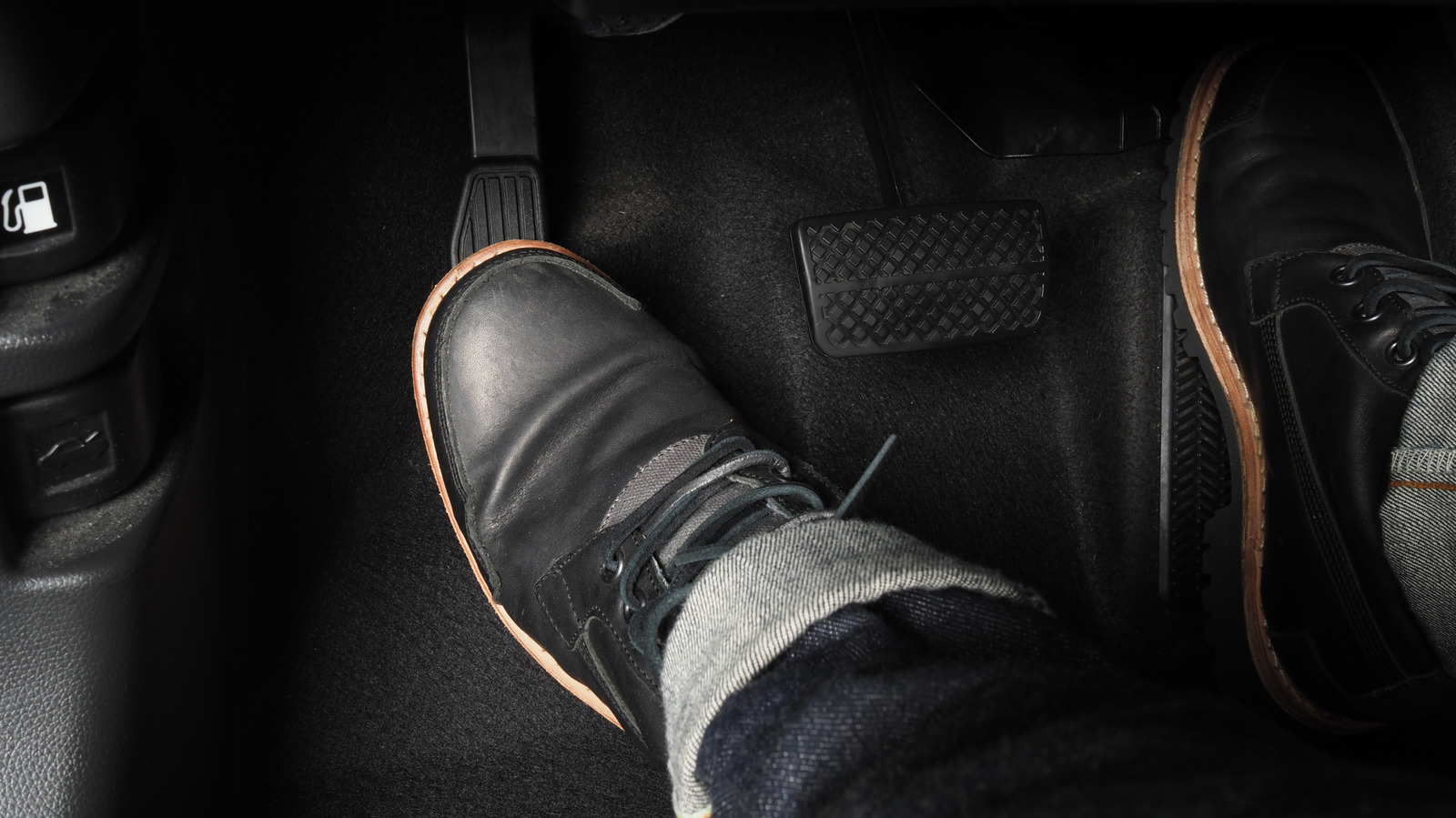
One simple fix is to adopt a clear foot position: left foot firmly on the dead pedal or floor, right foot controlling gas and brake only. That removes the temptation to rest your foot on the clutch and makes it easier to fully release the pedal after shifting. Practice this in a quiet parking lot until it becomes second nature. Small changes like this save you money and keep shifts crisp for longer.
When stopping, shift into neutral and release the clutch before applying steady brake pressure, especially at lights or in traffic. Holding the clutch down while stopped lets the clutch slip and heat up for no reason. Use the clutch only when you’re actually changing gears or about to move again. If you need to hold the car on a slope, use the handbrake or proper hill-start technique instead of feathering the clutch.
Smooth, deliberate shifts also reduce clutch wear: press the pedal fully, select the next gear cleanly, then release the pedal steadily while applying gas as needed. Jerky or rushed movements increase slip time and accelerate wear. Practice timing the clutch release with throttle input so the engine load transfers cleanly. Over time this makes accelerating feel more confident and prevents unnecessary component stress.
Clutch adjustments and maintenance can help, but they’re no substitute for good technique. A poorly adjusted pedal or worn linkage increases the chance of accidental slipping, so have a mechanic check pedal free play and linkage if you suspect a problem. Regular inspections catch early wear on the pressure plate and release bearing, and swapping a worn clutch sooner avoids collateral damage to the flywheel and transmission. Preventive care is cheaper in the long run.
If your vehicle has a self-adjusting clutch, technique still matters because the system compensates within limits and won’t stop all damage from persistent riding. For hydraulically actuated clutches, a soft or spongy pedal can indicate air or fluid issues that interfere with full engagement. Address those faults quickly so the clutch can operate as intended. Knowing whether your car uses cable, hydraulic, or self-adjusting systems helps you understand what maintenance makes sense.
For drivers learning on a manual, focus on timing and feel rather than keeping the engine revs low at all costs. Clutch control improves with short practice sessions where you shift through gears at low speed and intentionally release the pedal smoothly. Avoid holding the clutch partially depressed to creep forward; instead use first gear and gentle throttle inputs. Good habits formed early stick for years and prevent expensive repairs.
Finally, treat the clutch like any other wear item you want to protect: avoid unnecessary load, don’t tow beyond limits, and don’t use the clutch to hold the vehicle on grades. Being mindful when parking, starting, and in heavy traffic will extend clutch life dramatically. A little awareness every time you drive adds up to fewer garage bills and more reliable shifts down the road.
