
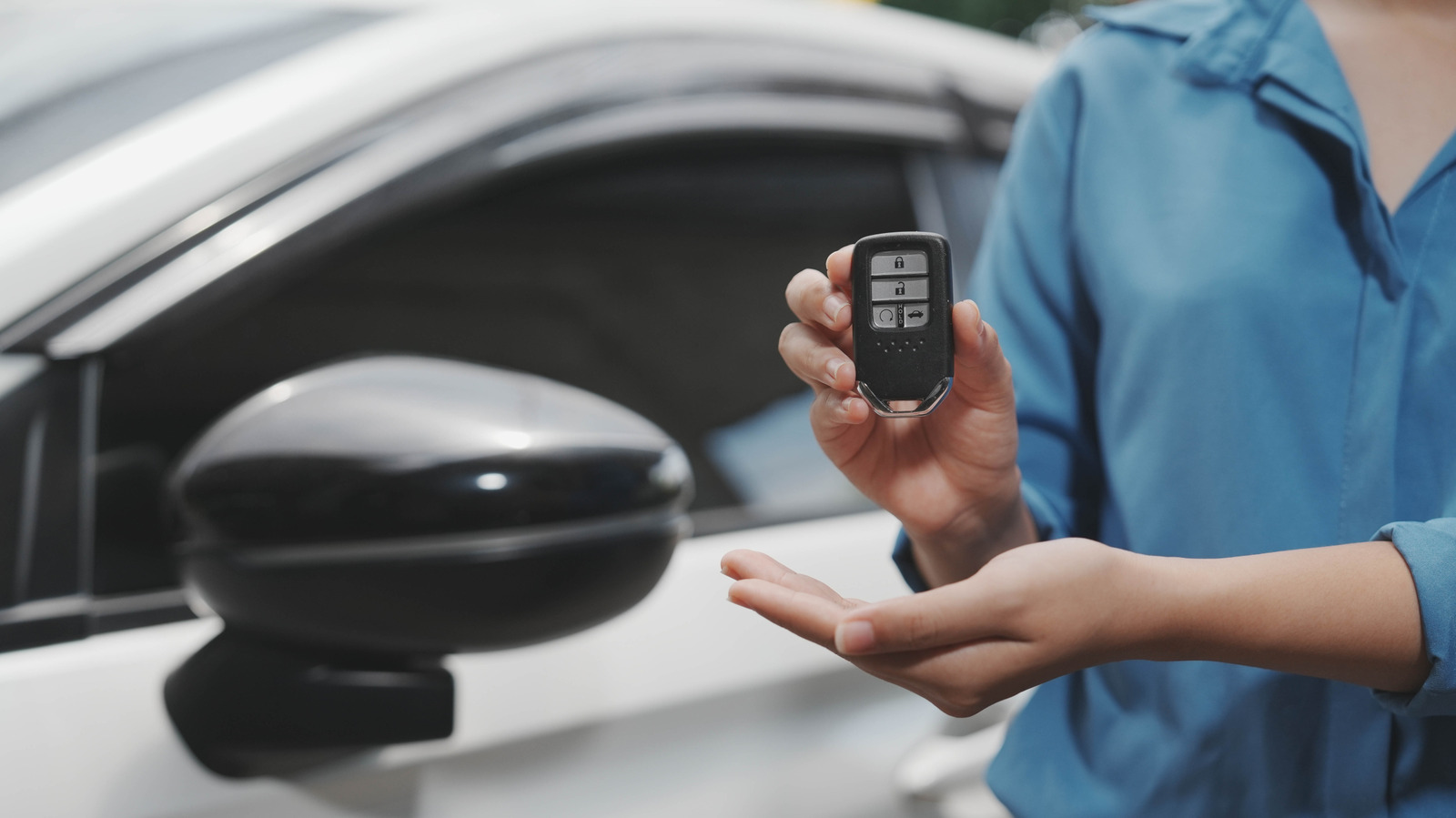
Key fobs can quietly sap a car battery in a few surprising ways, from constant radio chatter to smart systems that never really sleep; this piece explains how that happens, how to spot it, and what to try before calling a tow truck.
Modern cars love to listen. Even when parked and locked, many vehicles keep antennas and modules partially awake, waiting for a fob signal to unlock doors or start the engine, and that constant readiness draws power over time.
Passive keyless systems are an obvious suspect because they poll the fob repeatedly to see if it is nearby. If the fob is weak or malfunctioning, the car may increase its search frequency, accelerating battery drain without obvious warning signs.
Fob batteries themselves are another vector. A dying coin cell can cause the fob to transmit erratically or at higher power as it struggles to maintain a connection, and a fob with a stuck button can broadcast continuously until the car battery pays the price.
Sometimes the problem isn’t the fob but how the vehicle interprets signals. Aftermarket remotes, replaced keyless modules, or improper programming can keep electronic control units awake, creating a parasitic draw that wears the main battery down over a few days.
Diagnosis starts with basics: check the fob battery and swap in a fresh cell, test a spare key if one exists, and notice whether the drain happens when the fob is inside the car versus left at home. If the issue persists, a professional parasitic draw test will reveal which circuit is pulling current when everything is supposed to be off.
Simple fixes often do the trick: replace weak fob batteries, disable passive entry if your vehicle allows it, and avoid leaving a fob inside the car overnight. Using a small Faraday pouch or moving the fob away from the vehicle can prevent the car from constantly detecting its presence and reduce power usage.
When DIY steps fail, think software and hardware. Carmakers sometimes release updates that change sleep behavior, so check for recalls or service bulletins. A certified technician can reprogram modules, replace a faulty receiver, or isolate a bad aftermarket device that keeps the car awake.
Finally, watch for telltale signs: lights that blink or stay on after locking, accessories that reset, or a vehicle that requires frequent jump starts. Those are clues of a chronic draw, and addressing the fob and its interaction with the car early will save hassle and extend the life of the battery.
