
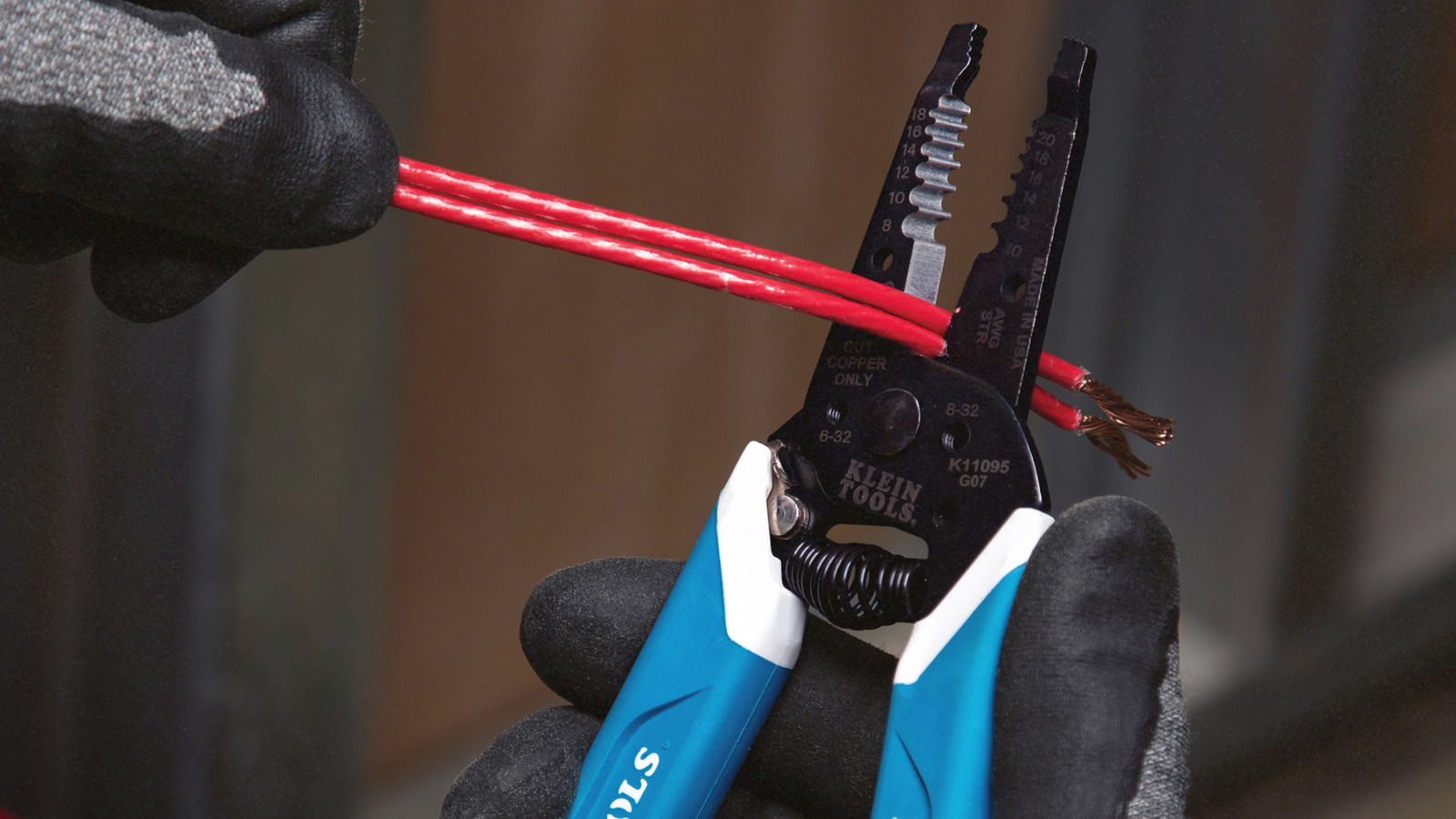
Once a household name for builders and weekend warriors, this iconic toolmaker now finds itself at the center of heated online discussion. The company that used to stand for reliability is being questioned over product changes, customer service, and how it handles quality control. This piece breaks down what people are saying, what evidence exists, and how professionals and hobbyists are responding.
For decades the brand earned trust by making tools that felt built to last and backed by warranties that actually meant something. Tradespeople often recommended their products without hesitation, and the logo became shorthand for durability on job sites. That legacy creates high expectations, and any perceived slip is going to draw attention fast.
Over the last year a stream of social posts and videos flagged issues: parts failing faster than before, batteries that drain prematurely, and finish or fit problems that weren’t common in older models. Those clips spread quickly, turning individual annoyances into a broader narrative about falling standards. When a handful of viral posts align with similar complaints on forums, casual observers and pros alike start to question whether this is noise or a pattern.
Social platforms are amplifying every bad story while often overlooking context like heavy industrial use or incorrect maintenance. Still, short-form video and community threads make it easy for consumers to compare notes and spot repeating faults. Influencers and reviewers who test tools in real conditions can sway opinions, and a trending clip can quickly shape a brand’s reputation.
Some of the criticism points to manufacturing shifts and supply chain tweaks that followed global disruptions in recent years. Companies sometimes change suppliers, move production, or alter materials to manage costs, and those tweaks can affect fit and finish. That does not automatically mean products are unsafe, but pros who demand long life cycles may notice differences sooner than hobbyists do.
Price is part of the conversation too. When a premium logo sits next to a premium price, buyers expect top-tier performance. If competing brands offer comparable specs at a lower cost, the perceived value of the iconic name takes a hit. Buyers now weigh not just specs but warranty, repairability, and how the tool actually holds up under daily use.
Customer service experiences are showing up in the debate as loudly as product failures. Reports of long wait times for warranty repairs, confusing replacement policies, and inconsistent responses from support teams add fuel to customer frustration. For contractors who rely on uptime, slow or opaque service can be as damaging as a broken tool.
The company has made some responses, posting statements about investigations, extended warranties in isolated cases, and product revisions in specific lines. Those moves are meant to calm concerns, but reactive fixes sometimes arrive after reputational damage has already spread. Transparency about root causes and a clear plan to prevent repeat issues tend to reassure skeptical buyers more than short-term goodwill gestures.
Tradespeople are split. Some stick with the brand because older models still perform and switching costs are high in terms of training and spare parts. Others are sampling alternatives, chasing better value or more consistent post-sale support. On job sites where a bad tool day equals lost revenue, loyalties can change quickly based on real-world reliability, not brand nostalgia.
Independent testing labs and trade publications are stepping in to give objective data beyond viral clips. Repeated stress tests, battery longevity trials, and longevity studies help separate isolated defects from systemic problems. Consumers should look for those results when deciding whether an issue is anecdotal or widespread, because lab metrics give a clearer picture than a single dramatic failure.
If you are shopping now, focus on the factors that matter most: documented warranty terms, availability of replacement parts, repairability, and third-party test results rather than hype. Talk to local pros who actually use the gear day in and day out, and consider whether a new model addresses earlier flaws. The market is moving fast and brand reputations can recover or decline based on the next few product cycles and how the company handles customer trust.
