
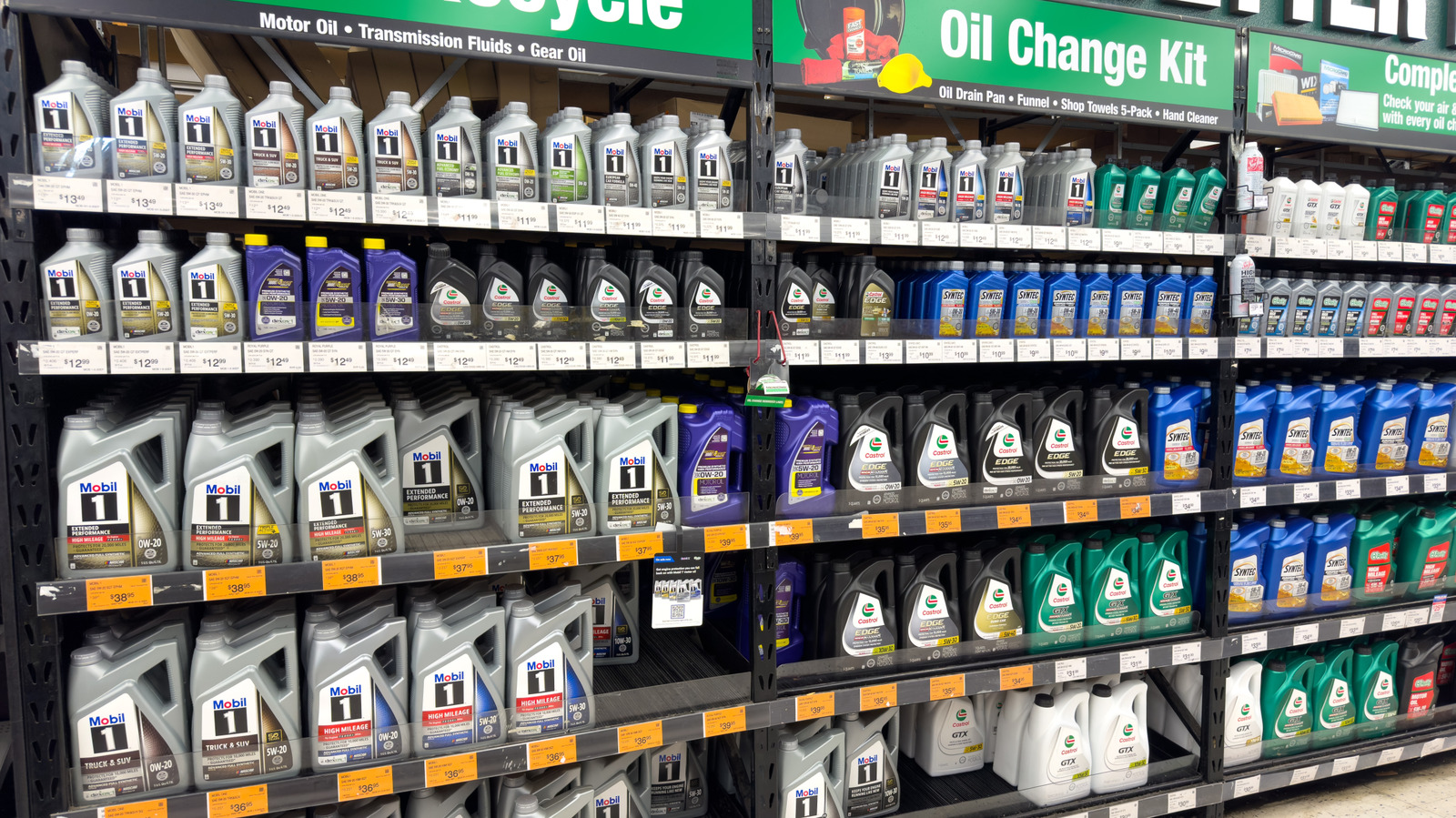
If you’ve ever stood in front of the motor oil aisle wondering what separates high mileage oil from high mileage extended performance oil, this piece breaks down the practical differences, how each works, and which one fits your car’s needs without the marketing noise.
High mileage oil is built for engines that have seen a lot of miles and the wear that comes with them. It usually contains special additives like seal conditioners that help swell or soften aging gaskets and reduce slow leaks. These oils also include extra detergents and anti-wear agents aimed at engines with looser tolerances and more internal grime.
Extended performance formulas focus less on reversing wear and more on lasting longer between changes. They rely on advanced base oils, often full synthetic blends, and robust additive packages that resist oxidation and breakdown over extended drain intervals. The goal is to keep oil properties stable for more miles so you can go longer between services without sacrificing protection.
Viscosity matters in both types, but the way it is preserved differs. High mileage oils often maintain a slightly thicker film at idle and low rpm to compensate for worn seals and gaps, which can reduce blow-by and oil consumption. Extended performance oils invest in polymers and synthetic base stocks that resist thinning and shear, keeping viscosity within spec over hundreds or even thousands of miles more than standard oils.
Seal conditioners are the headline feature for classic high mileage formulas, and they can make a real difference in older engines that leak or burn oil. They work by interacting with rubber and elastomers to restore some pliability and reduce seepage. Extended performance oils may include these conditioners too, but their emphasis is usually on long-term chemical stability rather than active seal rejuvenation.
Oxidation resistance and thermal stability are where extended performance oils often shine. If you do lots of highway miles, frequent towing, or live in a hot climate, those oils are designed to stand up to heat and shear so your oil’s protective abilities last. High mileage oils protect, yes, but they do not always promise the same extended drain capability under severe conditions.
Cost comes into play when choosing between the two. High mileage oils are typically priced similarly to conventional or mid-tier synthetics, offering a targeted fix for leaks and deposits without the premium tag. Extended performance options carry a higher price because of the superior base oils and additives that enable longer service intervals.
Your vehicle’s condition and history should drive the choice more than marketing claims. If you own a well-loved older car with tired seals, a high mileage formula can reduce visible leaks and quiet some internal noise. If your engine is in good shape and you prefer fewer oil changes, an extended performance oil delivers that convenience with reliable protection when paired with proper monitoring.
Switching between the two is straightforward but worth doing thoughtfully. You can move from high mileage oil to an extended performance blend after fixing leaks or gasket issues, provided the oil weights and specifications match your owner’s manual. Always drain and replace the oil according to recommended intervals when changing types, and consider a filter upgrade to complement the new formula.
Keep an eye on oil consumption, color, and smell after making a switch; those are your best diagnostic tools short of a compression test. If burning or leaks persist, additives are not a permanent fix for mechanical failures. In that case, a mechanic’s inspection will tell you whether continued use of a specialty oil is masking a problem that needs repair.
Your owner’s manual remains the baseline for weight and specification, and manufacturer approvals trump label claims. Use high mileage oil when the engine benefits from seal care and extra detergency, and opt for extended performance formulations when you want longer intervals and strong thermal stability. Either way, regular checks and sensible maintenance will keep your engine running cleaner and longer without overpaying for features you do not need.
