
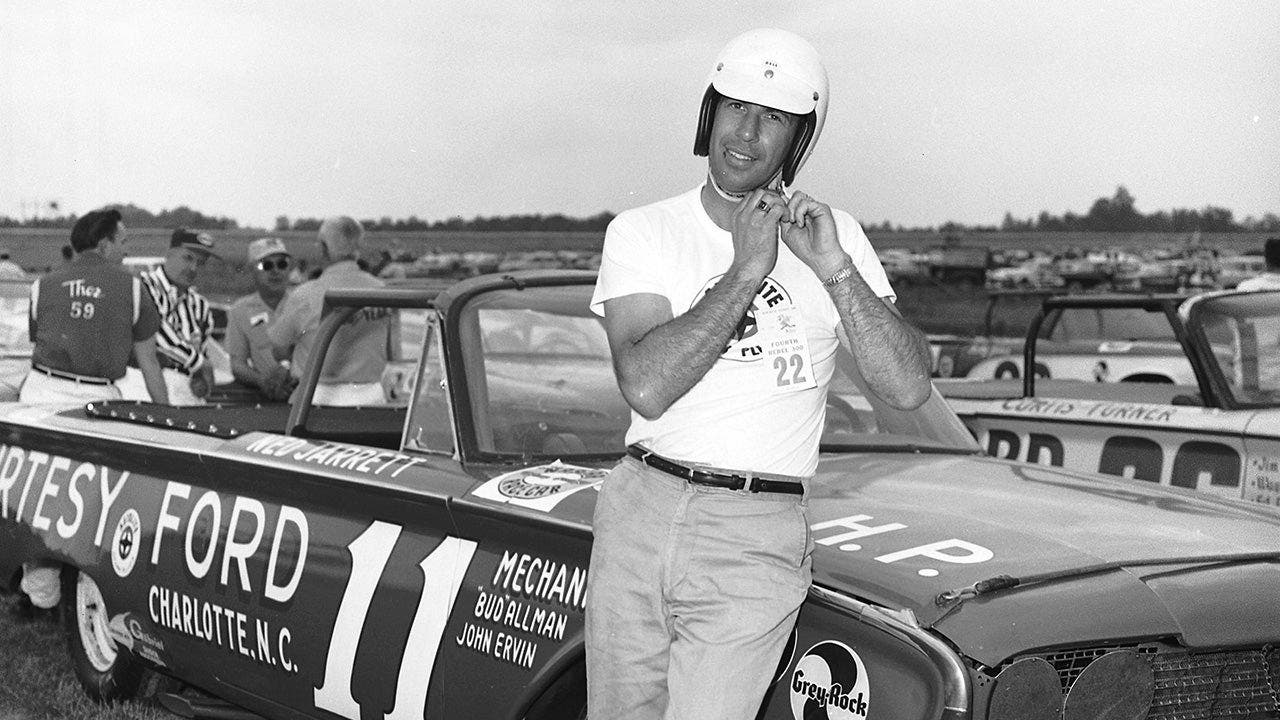
NASCAR Hall of Famer Ned Jarrett has died at 93, leaving behind a long career as both a driver and a broadcaster and a reputation for calm, clear honesty. He passed away of natural causes at his home in Newton, North Carolina, and the sport is remembering a man who blended competitive spirit with a plainspoken voice fans trusted. This piece looks at how he raced, how he spoke about racing, and why his presence mattered beyond the finish line.
Ned Jarrett built his reputation behind the wheel first, carving out a place in stock car racing with steady performances and a knack for reading a race as it unfolded. He was known for smart, patient driving that often put him in position to capitalize when others overreached. That approach on track earned him respect from peers and a steady fan following that appreciated technique over flash.
After his time as a driver, Jarrett became a familiar voice in the broadcast booth, translating the chaos of a race into clear, relatable commentary. He had a natural way of explaining what mattered without piling on jargon, which helped many casual viewers understand the sport better. His broadcasting career extended his influence; people who never saw him drive still felt they knew him from the way he spoke about drivers, strategy, and the human side of racing.
Jarrett’s style stood out because it felt genuine and steady, the same traits that had served him on the track. He rarely chased bold pronouncements and instead favored measured observations that carried authority because they came from experience. That combination of humility and knowledge made him an effective ambassador for NASCAR at a time when the sport was growing beyond its regional roots.
Family was always part of Jarrett’s story, and his legacy includes those he mentored and inspired within his own household. Racing ran in the family, and his children and grandchildren have been tied to the sport in various ways over the years. That continuity helped make his impact multigenerational, extending his influence beyond his own era into the modern NASCAR landscape.
Fans and colleagues remember Jarrett not only for accomplishments and broadcast highlights but for the daily moments that revealed his character. He was the type of person who could cut through hype and give you the essential truth about a driver’s day or a team’s decision. Those small, candid assessments built trust; when he praised someone, listeners paid attention because they believed what he said.
The news of his death has prompted a lot of personal recollections from people who saw him as more than a public figure. Stories focus on his willingness to answer a fan’s question, his calm after a chaotic race, and his ability to put a win or a loss into perspective. In a sport that can be loud and fast, Jarrett’s measured voice became a touchstone for what many think of as the sport’s better nature.
Looking at his life as a whole, Jarrett’s dual careers — as a steady driver and as a trusted broadcaster — gave him a rare foothold in NASCAR history. He helped shape how races are told and how drivers are seen, and his influence will linger in both the way events are covered and the respect with which the sport treats its veterans. The racing community has lost one of its calmest and most reliable voices.
