
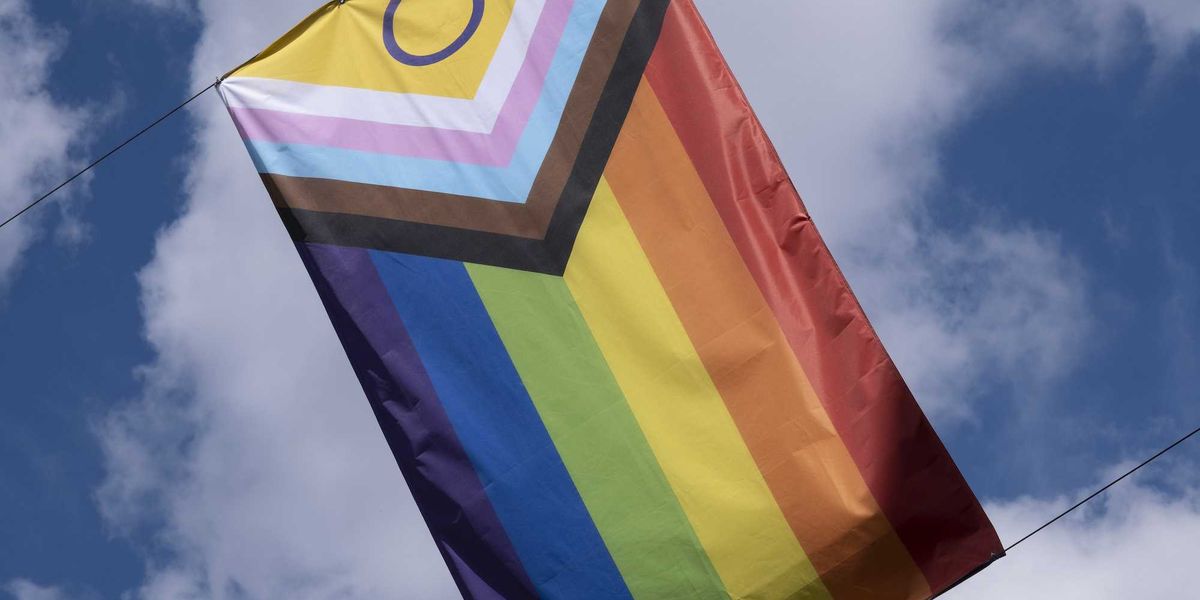
The Webster Town Board voted this week to remove a Pride flag from town property after protests and a heated meeting, and the decision has highlighted questions about process, neutrality, and who gets to represent the town. Emotions ran high on both sides, with the supervisor expressing disappointment and residents arguing that public property should remain politically neutral.
A slim 3-2 majority on the board approved the measure to take down the flag, and it was removed the following morning. The vote came after several residents complained the flag had been raised without full board approval, turning what should have been a routine display into a flashpoint during Pride Month. The board’s decision reflects a desire among some members to keep government property focused on official symbols rather than social causes.
Town Supervisor Alex Scialdone said he was disappointed by the outcome but that he would respect the board’s decision. “Everyone deserves to be seen, heard, and accepted for who they are. Last evening, I was moved hearing from members of our communities — many of the lifelong residents — who finally felt recognized and accepted by the Town they live in,” he said. “While I am extremely disappointed in my colleagues’ actions last evening, I am equally encouraged by the resounding messages of love from Webster and beyond,” he added. “This is the Webster I see and will advocate for now and into the future.”
The core argument from those pushing for removal was about the role of government property and the limits on displays that could be seen as political or partisan. “Government property should only display government flags — the U.S. flag, the state flag, and the municipal flag,” said resident Laurie Read in a statement at the hearing. Supporters of that view argued that keeping to official flags avoids favoritism and preserves public space for everyone, regardless of personal beliefs.
Others countered that the Pride flag sends an inclusive message to residents who have felt unseen, and that raising it signaled a simple act of recognition, not politics. The controversy, however, centers on process: critics say the flag was raised without full board consent and that one official acted alone. ‘The town did not raise the Pride flag. One elected officer made that decision on his own.’ That line became a focal point at the meeting and in conversations afterward.
At the hearing, emotions were visible and a few residents tried to prevent the removal when officials went to lower the flag. A protester holding a Pride flag attempted to keep the flag flying at the pole, creating a tense scene before the town crew completed the job the next morning. The confrontation underlined how symbolic gestures can quickly escalate when procedures and expectations are unclear.
Councilmember John Cahill introduced a resolution limiting flags on town property to official banners, a move supporters said was meant to clarify policy and avoid future disputes. For many residents, the issue is less about any one symbol and more about who decides what becomes the town’s public face. Keeping town property neutral, they argued, prevents the government from appearing to choose sides on cultural debates.
Webster is a suburb of about 42,000 people east of Rochester, and this episode shows how local decisions often mirror larger national conversations. The town’s debate is a reminder that community norms, the proper use of public space, and adherence to process matter to voters. Whether this settles into a clear policy or fuels more meetings and letters remains to be seen, but the town will now be left weighing how to balance inclusion with official rules while moving forward.
