
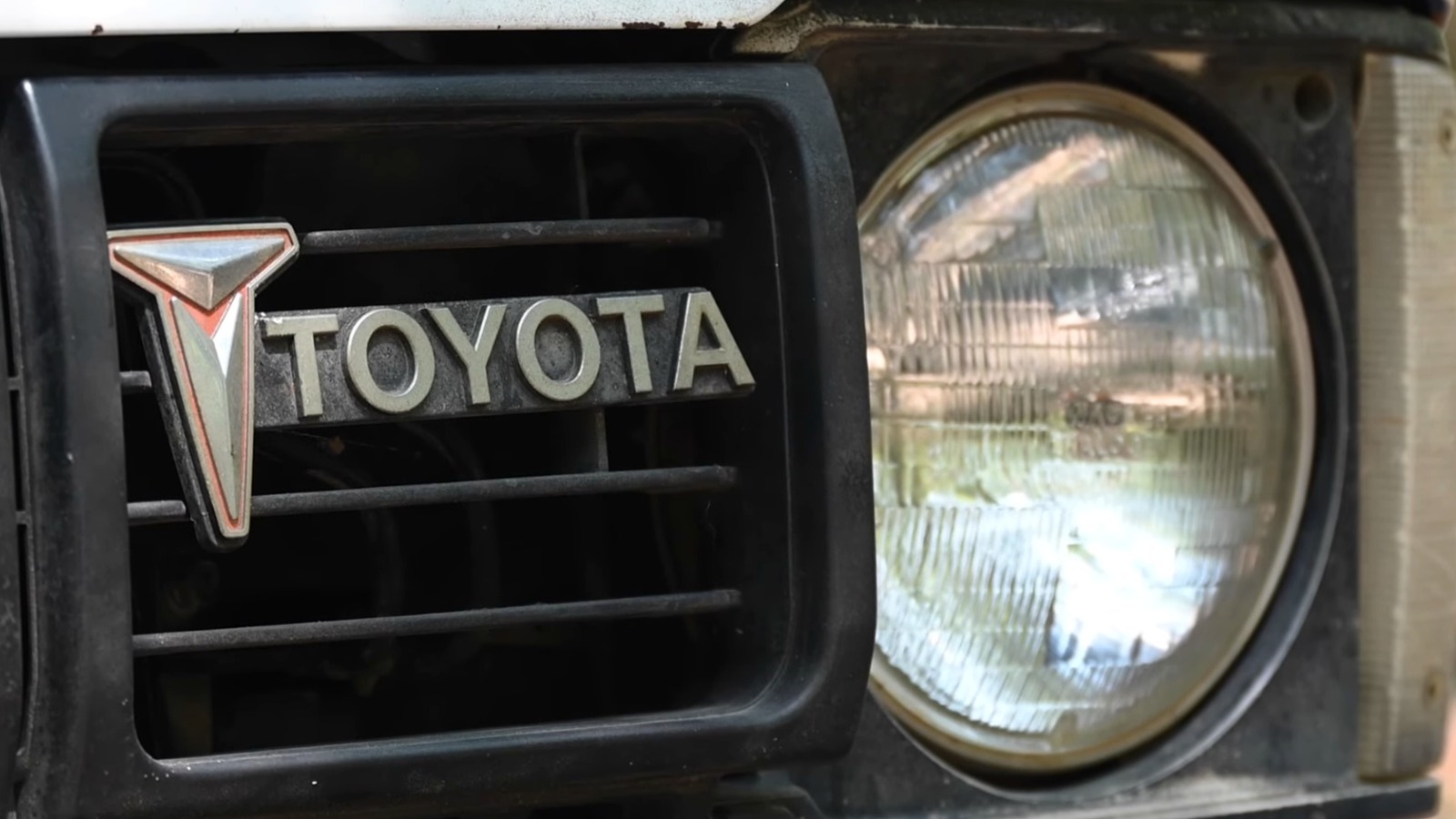
Toyota’s compact pickup from the late 1970s changed expectations about what a small truck could be, blending surprising utility with Toyota’s reputation for reliability. This article explores its origins, design decisions, mechanical strengths, real-world uses, and the quiet influence it left on later small trucks. Expect a friendly, direct look at why this little truck mattered then and why enthusiasts still talk about it today.
In the late 1970s Toyota turned a modest idea into something that felt larger than its footprint. The company refined a tiny pickup that could handle city chores, farm work, and weekend projects without fuss. It arrived at a moment when buyers wanted efficiency without sacrificing toughness, and Toyota answered with a compact package that punched above its weight.
The design kept things simple and smart, focused on space and practicality rather than flashy details. A short, efficient cab and a utilitarian bed meant more usable cargo area than the size would suggest. Styling was plain but purposeful, and that plainness worked in the truck’s favor, making it easy to fit into tight spots and easy to maintain for owners who cared more about mileage than image.
Under the skin Toyota prioritized dependable mechanicals over cutting-edge experiments. Engines were modest in displacement but tuned for longevity and fuel economy, and the suspension emphasized durability and a predictable ride. Chassis and bodywork were built with clear attention to corrosion resistance and straightforward servicing, so routine maintenance rarely required exotic parts or specialist labor.
Driving the thing was an exercise in practical pleasure. Visibility was excellent thanks to the small cabin and upright windows, making urban maneuvering almost enjoyable. Turn-in was nimble, and the light steering made low-speed tasks like loading and parking a lot less stressful than driving a larger truck would be.
On the market the pickup carved out a niche by being sensible where rivals were often trying to be either bigger or flashier. Competitors might have offered larger payloads or more luxury, but the Toyota undercut them on ownership cost and long-term durability. For many buyers the decision came down to knowing a truck would still be useful years later without constant repairs or surprises.
Beyond utility, the little Toyota pickup found unusual lives. It became a favored vehicle in rural communities, a dependable runabout for tradespeople, and a canvas for do-it-yourselfers who needed a reliable base for modifications. Owners adapted these trucks into everything from camper conversions to tiny mobile workshops, proving that flexibility matters as much as raw capability.
Today collectors and restorers appreciate the truck for how easy it is to preserve and how honest it feels to drive. Parts are still available in surprising numbers, and an active community shares tips on keeping these trucks running without overcomplicating things. Well-maintained examples show up at meets and on the road, always drawing nods from drivers who remember a time when cars and trucks were built to be fixed, not replaced.
The legacy of this late 1970s compact pickup shows up in modern small trucks that emphasize efficiency, practicality, and longevity. Toyota proved that a vehicle does not need to be large or luxurious to be influential; it just needs a clear purpose and consistent craftsmanship. That lesson helped shape a segment where reliability and usefulness remain key selling points, and where a simple, well-built truck can still make a big impression.
