
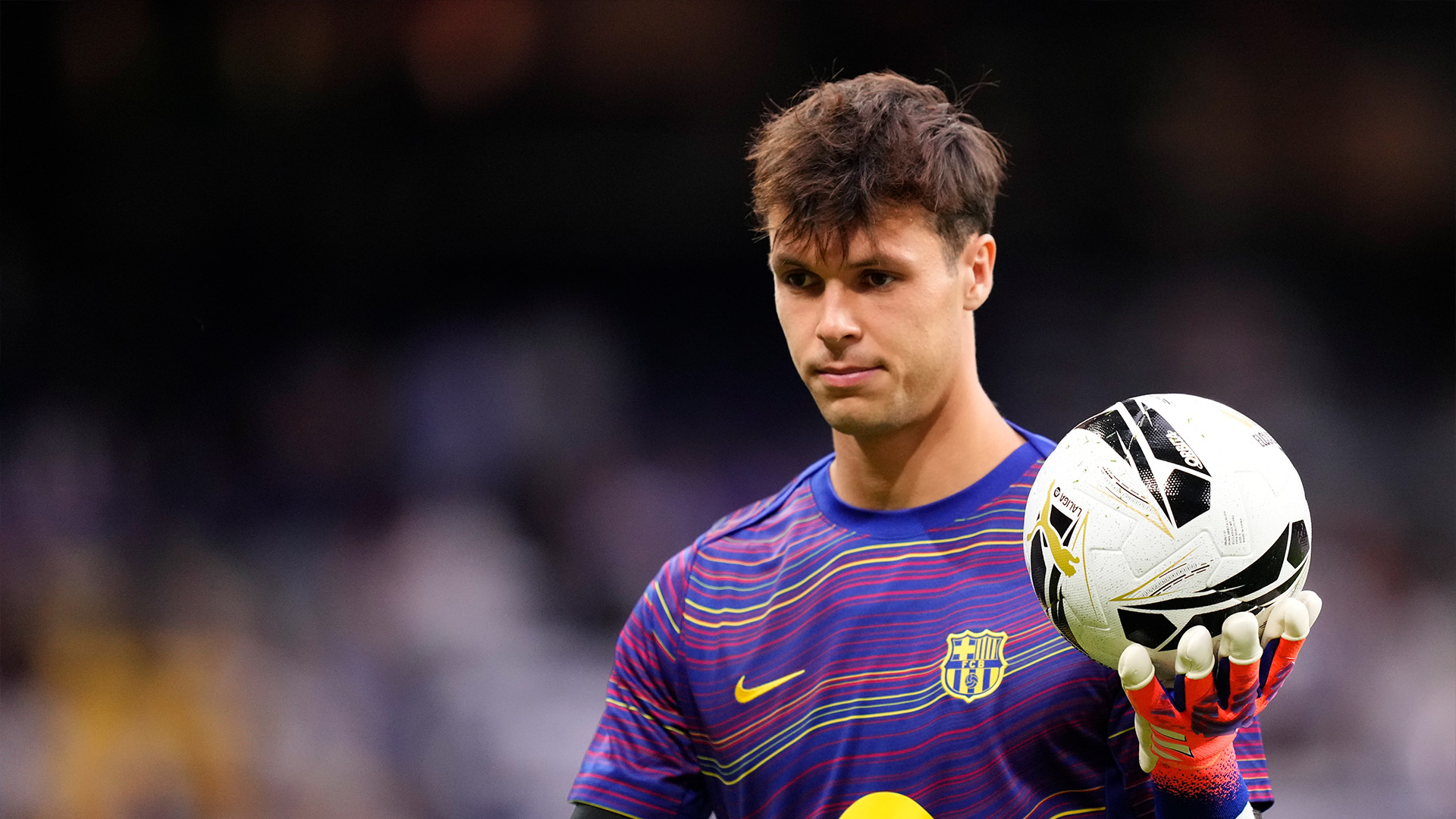
Diego Kochen, a promising U.S. Men’s National Team goalkeeper at Barcelona, is reportedly headed out on loan this summer as the club looks to accelerate his growth and find regular senior minutes for him. The move would give Kochen competitive playing time while Barcelona monitors his development and the U.S. national team keeps an eye on his progress. This article breaks down why a loan makes sense, how it fits into both club and country plans, and what to expect next.
Barcelona has a history of carefully managing young talent and Kochen has been on that radar ever since he arrived in their system. He is considered a promising shot-stopper with good technical skills and composure for his age. The challenge at a club like Barcelona is minutes; the pathway to consistent first-team games for a goalkeeper is usually longer than for outfield players.
A loan this summer would be a practical step to bridge the gap between youth and senior soccer. Competitive, regular minutes are the fastest way for a goalkeeper to sharpen instincts, decision-making, and command of the box. Training at a top club is valuable, but nothing replaces the pressure and rhythm of starting games week after week.
For Kochen, the ideal loan destination would be a club where he can be trusted as a starter while still operating within a technically demanding environment. That could mean a mid-table side in a top European league or a top club in a smaller league where the style of play still emphasizes building from the back. The focus should be on a place that stretches him tactically and gives him real responsibility on the field.
Barcelona benefits from a loan in several clear ways. Sending a young keeper out on loan lets the coaching staff evaluate his readiness based on actual performance, not just training reports. It also preserves his long-term potential for the club by exposing him to different tactical challenges and physicality, while keeping him under contract and close to Barca’s development framework.
From the U.S. national team perspective, Kochen’s loan could be a net positive as well. The USMNT wants goalkeepers who are tested in competitive environments and who can handle pressure. If Kochen earns regular starts and produces steady results, he becomes a stronger candidate for future national team call ups and for more significant roles when tournaments come around.
Technically, Kochen is modern enough to fit into systems that demand a goalkeeper comfortable with the ball at his feet. He shows confidence in distributing and setting up play from the back, which aligns with Barcelona’s philosophy and the tactical trends many clubs now prefer. The loan should therefore emphasize environments where playing out of the back and participating in build-up play are part of the daily routine.
There are risks, of course. A poor loan choice can stunt development if the new club’s coaching is unstable or the tactical fit is wrong. Injury, lack of game time, or defensive systems that do not match his strengths could slow progress. That is why the selection of the loan destination and a clear plan for minutes and role are crucial for Kochen’s trajectory.
The timing of the move matters too. A summer loan gives Kochen the benefit of preseason integration, time to learn teammates, and a full season to develop. Midseason switches can be disruptive, so a clean break in the summer window is preferable. Barcelona and Kochen will want a straightforward plan so his growth remains the priority and not short-term results.
Expect the transfer window to reveal a few sensible suitors who value young, ball-playing keepers and who can offer consistent starts. Barcelona will likely retain oversight, monitoring progress and stepping in if the arrangement doesn’t meet expectations. For Kochen, the loan is less about leaving and more about coming back sharper, hungrier, and closer to earning a place among top-level goalkeepers.
