
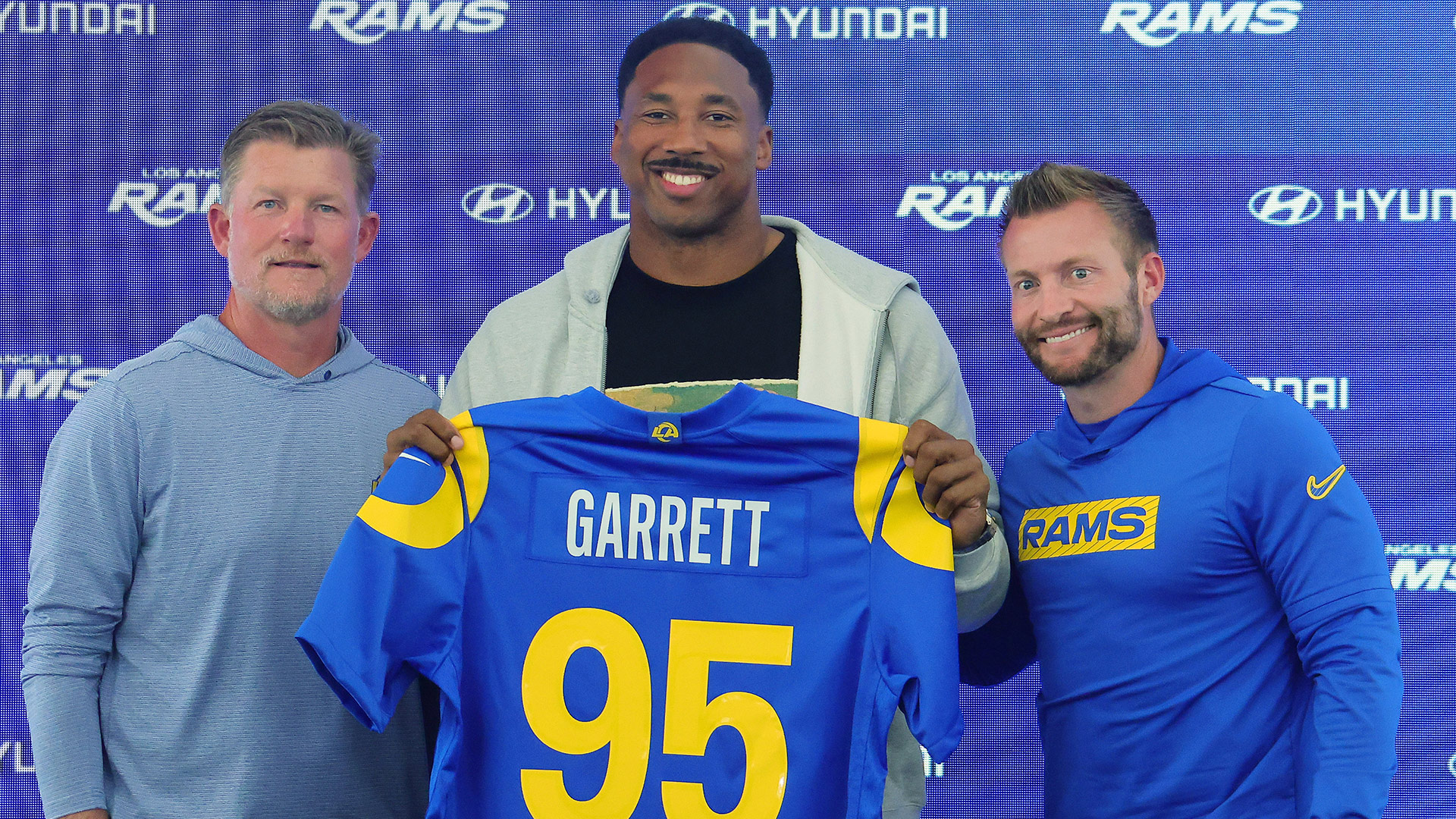
The trade chatter that shook the league finally landed on the table: blockbuster talks, legal fine print, and a general manager on edge. This piece walks through why Les Snead worried about a no-trade clause, what that clause means for Myles Garrett and any acquiring team, and how organizations manage the risk when a deal hinges on a single player’s consent. It also looks at the practical fallout for roster planning and for fans watching the drama unfold.
Teams work hard to balance upside and reliability when they pursue star players. A player with elite talent can change a defense overnight, but protections like no-trade clauses add real friction to deals. Those clauses give players leverage, and they force front offices to plan for contingency outcomes. Negotiations that look clean on paper can get messy when a player’s consent is required.
“Les Snead was concerned that Myles Garrett would exercise his no-trade clause after the Rams and Browns had agreed to a deal.” That line captures the tension in plain language. For a general manager, the worst feeling is signing off on a trade only to have it unravel at the last moment. It wastes time, resources, and can sour relationships between franchises.
No-trade clauses are simple in concept and tricky in practice. They allow players to veto moves to teams or cities they dislike, or to demand compensation for relocation. For teams, the clause is a risk buffer; for players it is autonomy and control. When elite pass rushers like Garrett come with conditions, acquiring teams must weigh the on-field gain against the off-field negotiation risk.
From the acquiring side, the calculus is methodical and sometimes blunt. You assess cap space, roster depth, and how the player’s addition changes scheme fit. You also build fallback plans, because even a handshake between GMs is fragile if the player says no. That means moving quicker on secondary targets or keeping draft capital liquid until the player signs off.
For the player, the decision is about more than winning now. Family, market, and long-term security matter. The no-trade clause lets a pro protect those priorities. Teams accept this when they sign big contracts, and smart front offices negotiate with full awareness that consent is a live issue that can derail a transaction at any time.
The fan reaction tends to be loud and immediate. People cheer the idea of adding a game-changer and then sink into frustration when the paperwork stalls. Media narratives amplify every rumor and second-guess each side. Still, the quiet truth is that these episodes are part of the business, and the best organizations treat them as routine risk management, not drama to be feared.
Operationally, teams tighten up the moment a no-trade clause is involved. Medical checks get prioritized, legal teams comb contracts, and front offices secure verbal commitments before releasing details. That doesn’t guarantee success, but it reduces the chance of public embarrassment and stalled seasons. The smart move is to prepare for both outcomes equally and protect the roster in the meantime.
Where this leaves the roster depends on the resolution. If a player agrees, the ceiling for the acquiring team rises immediately. If the player declines, the team must pivot fast and avoid a spending hangover. Either way, the episode becomes a case study in how to manage elite talent acquisition without letting a single clause destabilize multi-year strategy. Fans will keep watching, because these moments reveal how teams think when everything is on the line.
