
Pouring concrete is one of those jobs that looks simple until you stand ankle deep in gray slurry at 6 a.m. The 20/30/40 rule is a compact guideline crews use to think about time, effort, and responsibility across a job, and this piece walks through why that kind of structure matters, what each slice of the rule implies, and how to avoid the usual messes. Read on for practical ways to plan your pour so it actually goes according to plan.
Concrete work starts long before the truck shows up, and that first 20 of the 20/30/40 rule is all about preparation. Forms must be square, braced, and level, reinforcing steel placed correctly, and the substrate compacted and prepped so water drains where you want it. Good prep cuts down on surprises, and it is where the project makes or breaks its chance for a clean pour.
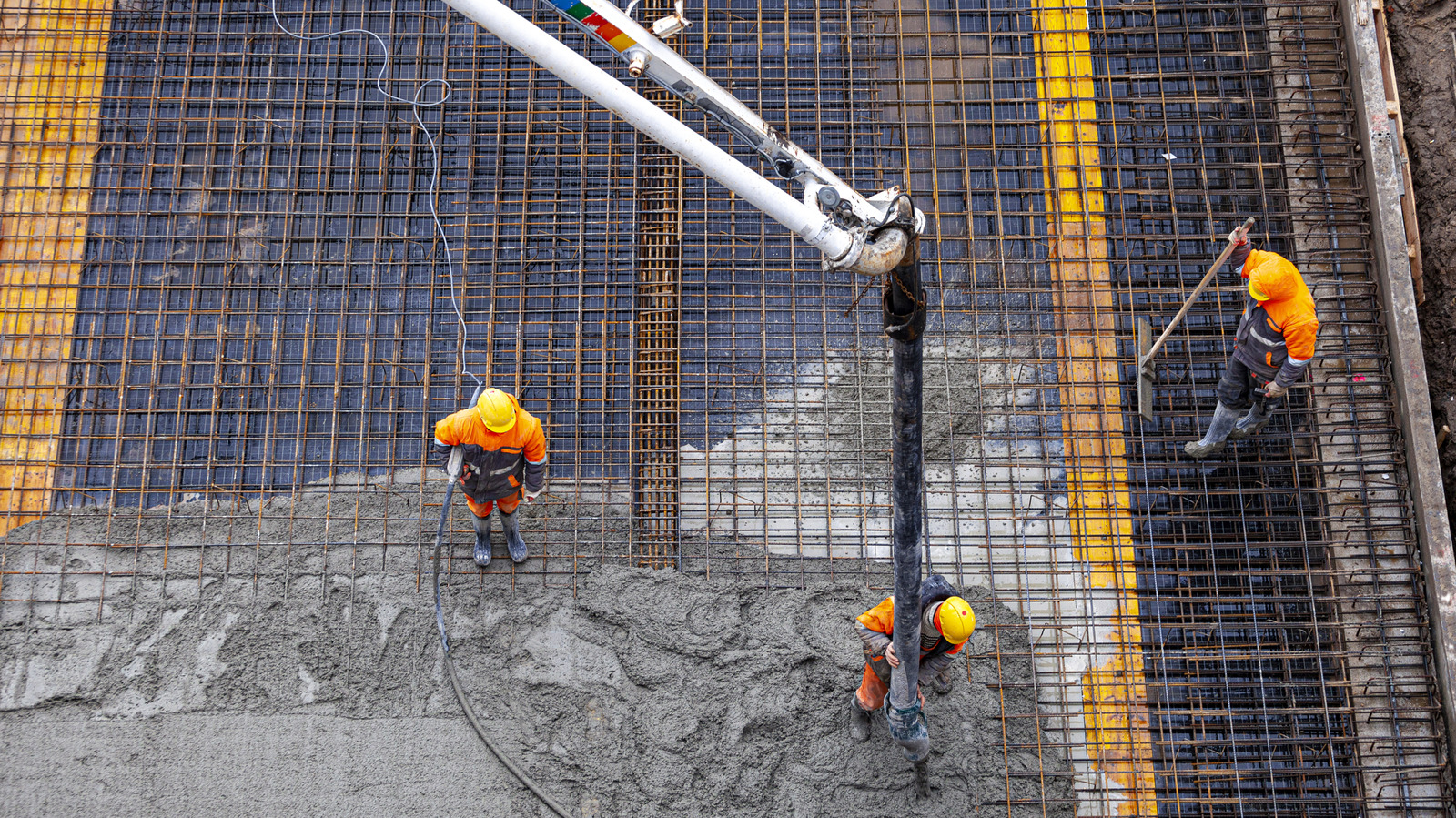
The middle 30 is the pour itself and the short window when timing is everything, because once concrete leaves the mixer the clock starts. Coordinate trucks, have experienced hands on finishing tools, and plan pour sections so you are not chasing set concrete with fresh material. Mixing consistency, slump control, and immediate consolidation are the practical nuts and bolts that decide whether the surface can be finished without tearing or segregation.
The final 40 covers finishing, curing, and follow up work that preserves strength and appearance over time. Finishing tools and techniques should match the job, whether you need a broom finish, exposed aggregate, or a smooth slab, and curing must begin right after finishing to prevent shrinkage cracks. Proper curing is nonnegotiable; moisture control for the first days is what yields long life, not just a pretty top layer.
Weather and scheduling are the silent dealbreakers that interact with the 20/30/40 split, so factor temperature and forecasts into every phase. Hot sun or wind speeds up evaporation and shortens your working window, making the 30 phase feel like a race unless you plan ahead. Cold slows set and can require admixtures or heated aggregates, so bring the right gear and materials instead of forcing a bad pour on a bad day.
Crew roles and communication are the glue that holds the rule together, because a guideline only works when people know what they are doing and when. Assign a lead for prep, a lead for placement, and a lead for finishing and curing, and enforce a simple chain of command so decisions happen fast and clean. Safety on site during the pour is also part of the plan, so gear up, keep traffic controlled, and don’t cut corners on basic protections.
Common errors usually come from trying to shortcut those percentages: skimping on prep, overloading the pour sequence, or walking away after the float without thinking about curing. Small mistakes become big problems fast, with cracking, scaling, or weak patches showing up within months. If you respect the idea behind the 20/30/40 rule—allocate time, people, and attention to each phase—you reduce risk and end up with concrete that actually performs.
