
I lost my daughter when an intoxicated illegal immigrant slammed into the back of the car she was in, and that grief pushed me to confront how our immigration system actually works. I wanted answers beyond slogans, and what I found were policies that make life harder for Americans while rewarding lawlessness.
I stopped listening to talking points and started asking who benefits from the current setup and who pays the bill when enforcement is weakened. Too many officials treat messy outcomes as acceptable collateral damage instead of problems to solve.
Recent reporting and analysis show a clear shift: new arrivals to the United States have much lower levels of formal education than past waves. That matters because an economy built on advanced skills can’t rely on endless streams of low-skill immigration without consequences.
OBAMA JUDGE USES ‘VINDICTIVE’ RULING TO RELEASE ALLEGED MS-13 HUMAN TRAFFICKER
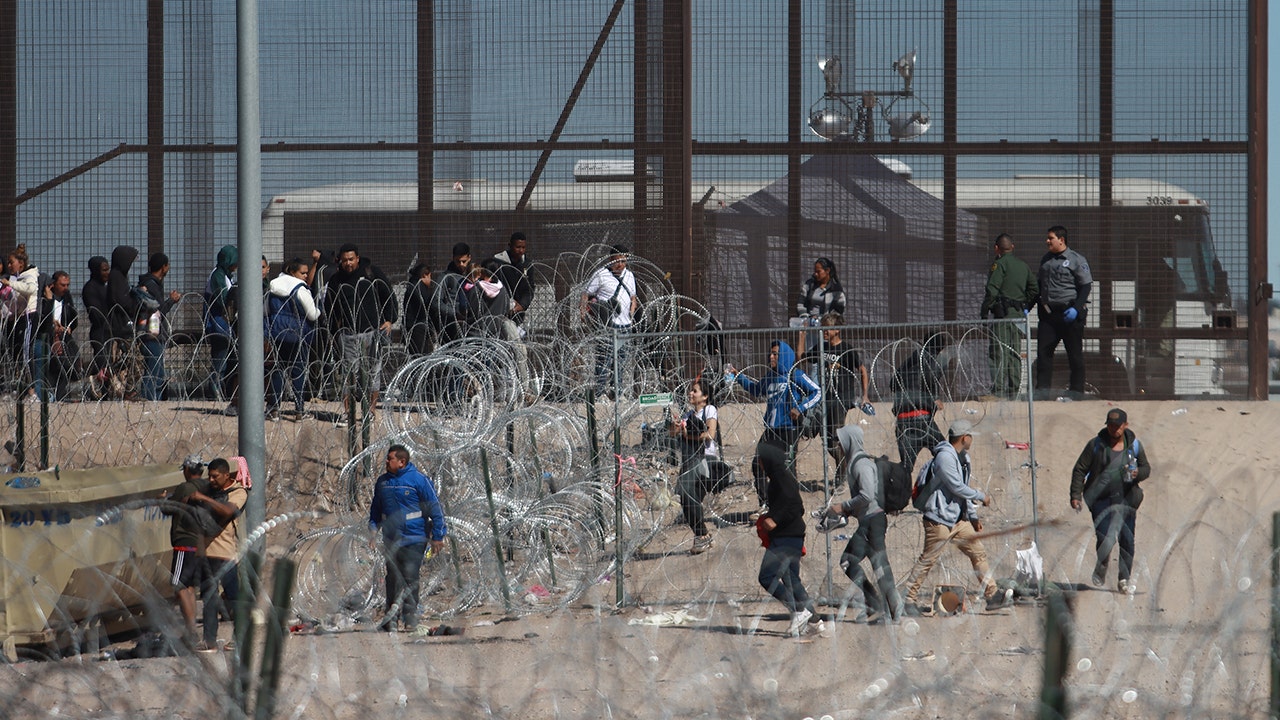
During the border surge years under the Biden-Harris administration, the demographic mix of migrants moved toward poorer regions, bringing more people with limited schooling and fewer marketable skills. Homeland Security leadership choices helped accelerate those flows instead of enforcing sensible standards.
Higher educational attainment is tied to productivity, higher earnings and lower long-term dependency on public programs. When newcomers lack those skills, the fiscal math changes and communities feel the strain in schools, hospitals and housing markets.
REFUGEE FLOOD ISN’T SMART POLICY, IT’S THE GIFT THAT KEEPS ON TAKING
Lower education levels correlate with greater demands on public services, from language support in classrooms to uncompensated emergency medical care. Local governments and taxpayers end up covering costs that federal policies refuse to acknowledge.
My family lived the lawful immigration story. My parents came legally to work hard and build a life, not to rely on systems that today incentivize cutting corners and gaming the system.
I’M AN ANGEL MOM WHO SAW AT THE WHITE HOUSE HOW PRESIDENT TRUMP IS RESTORING HOPE AND SAFETY FOR FAMILIES
This is personal. The man who killed Katie, Julio Cucul-Bol, admitted in court he had no formal education and could not communicate effectively in English or Spanish.
So I ask what many politicians refuse to: what public good was served by letting this man into our country under current practices? How did that decision make Americans safer or communities stronger?
My daughter is dead. That simple fact should force honest conversations about tradeoffs and consequences, not platitudes that ignore real costs.
Reasonable people can argue about levels and pathways for immigration, but you cannot erode enforcement and expect no downstream effects on schools, budgets and public safety. Weak enforcement and sanctuary policies carry real-world costs.
Remittances show another angle: many governments benefit when citizens emigrate, collecting dollars while offloading social problems. The United States ends up subsidizing the failures of other governments instead of incentivizing reform at home.
NOT COMING TO AMERICA: THE 60-YEAR IMMIGRATION BUBBLE FINALLY BURSTS
That arrangement might please some political elites on both sides of borders, but it does not encourage the economic reforms poor countries need. Mass unmanaged migration can delay internal change by creating an easy exit rather than fixing broken systems.
A truly moral policy would not simply tell people to flee hardship forever. It should promote lawful, stable societies abroad and controlled, skilled immigration that reinforces American prosperity and social cohesion.
IRYNA ZARUTSKA FLED UKRAINE FOR SAFETY BUT DEMOCRATS’ SOFT-ON-CRIME POLICIES FAILED HER
The United States should lead by example with strong institutions, rule of law and accountability, not by allowing our systems to be taken advantage of while refusing to demand reciprocity. Migrants ought to be drawn by opportunity, not by benefits that reward bypassing legal channels.
States like Illinois lose productive citizens and then try to paper over the problem by offering massive benefits to replace them. That is not a long-term plan for prosperity, and the Biden-Harris era only intensified that approach at the national level.
Public policy always involves tradeoffs, but citizens should never be the collateral damage of reckless decisions made for political convenience. Compassion matters, but compassion without limits is not governance, and no nation can indefinitely absorb other countries’ failures without weakening itself.
