
Immigration debate in America has shifted from pure border numbers to a sharper question about assimilation and civic identity, stirring strong feelings about culture, community change, and what it means to be an American.
Border crossings falling doesn’t erase the tension many people feel in neighborhoods where change has been rapid and visible. The real argument now is less about raw totals and more about whether new arrivals absorb civic norms and participate in American life. That concern has moved to the center of conversations in suburbs and small towns alike.
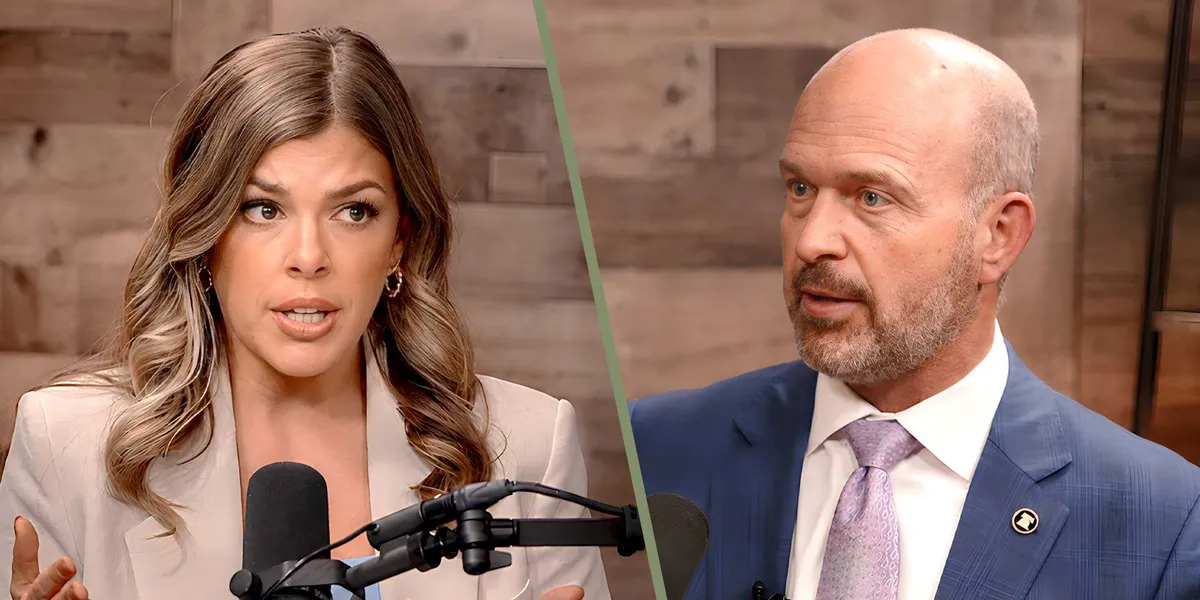
Kevin Roberts, president of the Heritage Foundation, says the administration should push assimilation harder and aim beyond mere paperwork. “really double down on the importance of assimilation, the importance of wanting to be an American beyond getting the certificate that you’re an American citizen.” He argues that assimilation is both a civic duty and the best way to keep immigration healthy for the nation.
“The best way to be a pro-immigration country is to have laws that require immigrants to assimilate,” he says. Laws, Roberts suggests, can encourage newcomers to learn English, adopt civic practices, and commit to the national story that binds people together. That approach frames immigration not as a passive intake but as a mutual agreement between newcomers and the host society.
“Americans want their country back. And I can think of no president, certainly in modern history, who better embodies the desire to do that than Donald Trump,” he adds. That line captures how cultural anxiety and political loyalty have merged in recent years, especially among voters who feel change has come too fast. For many, the border is symbolic of broader shifts in power and identity.
Allie Beth Stuckey frames the issue through a suburban lens and calls out how changes touch daily life. “Those are the things I really see affecting my community. And it’s not only illegal immigration. And this is where I think the conversation has shifted on the right in a good way. I just don’t know the solution for it,” she says. Her perspective points to real dilemmas: people want safe, familiar neighborhoods but also to maintain a generous immigration system.
Stuckey also questions whether legal immigration is aligning with national priorities and whether selection processes consider community cohesion. “People are saying yes, illegal immigration number one, but also it doesn’t seem like our legal immigration is really prioritizing American interests,” she continues. That tension reflects a broader debate about policy goals: economic need, family reunification, and cultural fit.
Fear of neighborhood transformation fuels the conversation, especially when places of worship or familiar institutions change hands. “And when people see their communities, the neighborhoods that they grew up in completely shift, and when people see churches turning into mosques, I think most Americans are uncomfortable saying it, but there’s something unsettling about it,” she adds. Those are raw observations from residents who feel their cultural anchors are moving away.
Roberts doesn’t shy from the point. “I’m not uncomfortable saying it,” Roberts responds. He frames American identity in terms of a shared philosophical heritage and warns against losing that cohesion. “We have to understand that this country was based on principles that came from Jerusalem, Athens, Rome, London, and Philadelphia,” he explains. “We are both Judeo and Christian in our founding. That doesn’t mean that there isn’t room for other people, but it does mean that it’s possible in a country that is so generous toward immigrants that we might have too many people from the wrong places.”
That argument pushes for a more selective and assimilation-focused approach, one that seeks to safeguard civic continuity while remaining open in principle. The debate is now about how to balance generosity with cultural clarity and how policy can reflect both security and assimilation goals. Across communities, people are asking whether current immigration practices best serve the country they want to hand down.
