
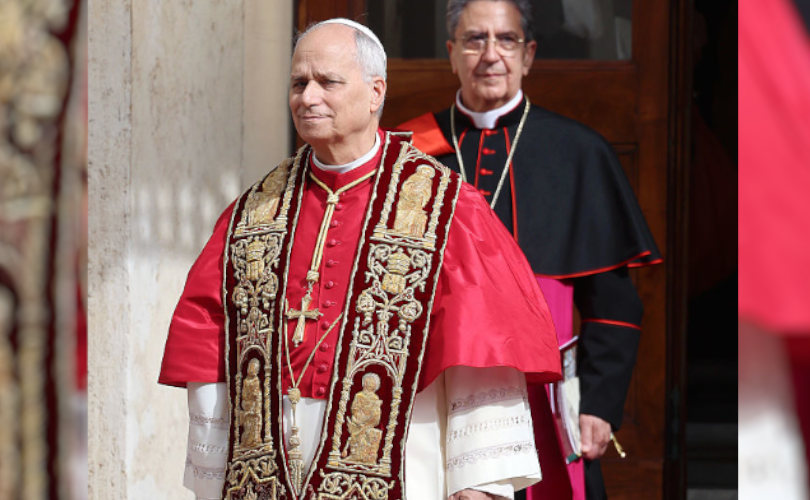
Pope Leo’s recent change to canon law gives diocesan bishops new authority over the leaders of autonomous monasteries, a move that shifts long-standing boundaries between local oversight and monastic independence. The decision has stirred reactions across the Church, raising questions about accountability, pastoral care, and the future shape of religious life. Voices from commentators and canonists have framed the change as a landmark moment that could reshape governance in cloistered and active communities alike. This article lays out the essentials, the likely consequences, and the strains this rule may create inside and beyond the cloister.
The core of the rule is straightforward: bishops now have a formal pathway to remove the superiors of monasteries that previously enjoyed a high degree of autonomy. For centuries, many convents and monasteries operated with internal governance protected by their particular canonical status, and this adjustment alters that balance. Supporters say it strengthens episcopal responsibility for the faithful and offers a remedy when local leadership endangers members or mission. Critics fear it could erode the spiritual independence that underpins monastic identity and invite undue diocesan interference.
Practical implications will vary from place to place, depending on how boldly bishops choose to exercise the power and how monasteries respond. Some houses may welcome outside oversight if they are struggling with governance problems, while others will view the step as a violation of cherished traditions. Canon lawyers point out that the rule does not erase the canonical rights of religious orders, but it does create a mechanism through which bishops can act in extraordinary circumstances. That nuance will matter a lot in the years to come as cases are tested and precedent builds.
Observers are already weighing institutional ripple effects, from formation programs to financial management and relations with lay collaborators. Monastic communities often function as spiritual anchors in their regions, and changes to their leadership can alter networks of support and ministry. Bishops may use the tool sparingly, mindful of the backlash that could follow high-profile interventions. Yet even rare applications will send a clear message about the limits of autonomy in modern Church governance.
Commentators have described the measure in stark terms. Catholic podcaster Ryan Grant called the new canon law rule ‘one the most revolutionary changes in the history of the Church.’ That choice of words reflects a belief among some that the rule shifts authority in a fundamental way rather than merely adding a procedural wrinkle. Others prefer to see it as an adjustment aimed at safeguarding members and ensuring pastoral accountability where needed. The contrast in perspectives highlights how differently stakeholders read the same change.
How tribunals, canonical processes, and appeals will handle disputes is still to be seen, and procedure will shape both perception and outcome. If removal decisions are perceived as transparent and just, the power could shore up confidence in Church structures; if not, it could fuel resentment and legal challenges. Bishops and religious superiors will need to coordinate carefully to avoid public confrontations that could harm the faithful. Clear criteria and careful pastoral language will be essential to reduce confusion and guard against unnecessary conflict.
On a human level, the rule touches on lives lived in rhythm and silence, where leadership changes can be deeply destabilizing. Monastics prize continuity and stability for spiritual reasons as much as practical ones, so any intervention will require sensitive pastoral care to help communities navigate transition. Outside supporters and parishioners who depend on monastic ministries may also feel unsettled if a beloved superior is removed. The success of this canonical tool will depend less on its letter than on the wisdom of those who wield it.
The broader Church will watch how the first instances unfold, because those early cases will inform expectations and strategies across dioceses and orders. If bishops act prudently and with clear moral reasons, the new rule could become a focused instrument for protecting members and mission. If handled poorly, it could deepen tensions and provoke long legal and spiritual disputes. Either way, this change marks a notable moment in the ongoing negotiation between local authority and the autonomy of religious life.
