
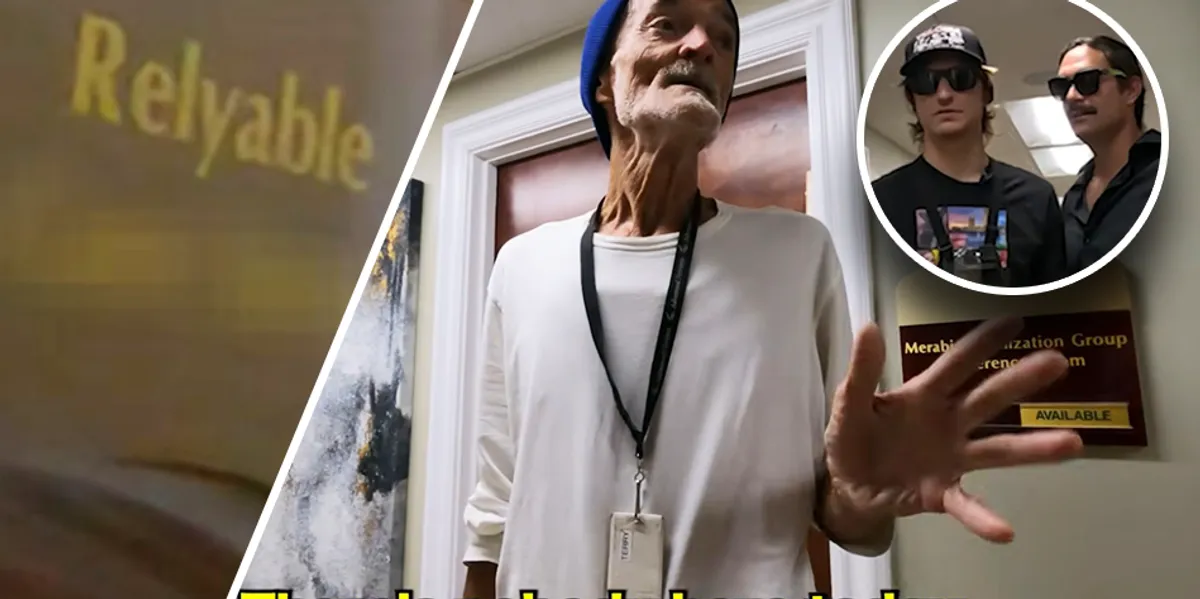
The rise of hospice fraud in California is being exposed by investigators and content creators who find empty offices, stacked licenses, and millions billed to Medicare from buildings that look more like shells than care centers. This piece walks through findings from journalists and YouTubers who visited one Los Angeles building linked to dozens of licensed hospices and outlines the odd phone calls, evasive responses, and official warnings that make the situation feel systemic. Embedded clips and raw reporting from the street paint a clear picture: a lot of paper and billing, very little hands-on care.
Federal and local inquiries have already picked up steam after reporters and regulators traced a pattern of suspicious hospice operations across California. Officials flagged a single L.A. building that hosted an unusually large number of licensed hospices on paper, and researchers found millions of Medicare dollars flowing out the door in a single year. Those billing tallies raised immediate red flags, because hospice care is supposed to be personal and local, not a ledger entry in a shared office complex.
Independent investigators took the next step and walked the site. They discovered a two-story structure where most offices looked unoccupied or housed unrelated businesses, even though the building reportedly represented dozens of hospice licenses. Phone numbers displayed on doors promised service and on-call support, but the reality on the ground did not match that promise. One pull-quote from those visitors captured the moment bluntly: ‘Nobody there in person. Nobody answering the phones.’
Field reporters rang dozens of listed numbers to test the setup more directly. Many calls ended up in voicemail, some numbers had no inbox, and others had been disconnected altogether. A few lines did pick up and produced baffled or hostile answers that contradicted the public listings. One caller who answered a company door that had misspelled “reliable” as “relyable” claimed no involvement with hospice work and refused to take patients.
The exchanges ranged from awkward to aggressive. When asked about the hospice names on the door, a man answered, “I don’t know what you’re talking about,” and insisted he was “not interested” in taking on a hospice patient. The same person later challenged the investigators with “Whose hospice, man?” before dialing back to say, “I think you called the wrong number.” A second return call from the man asked who had given out his number, and at one point the voice told a caller, “F**k you, man,” even after being told his contact details were publicly listed.
Those roadside encounters fed into a broader narrative about how hospice billing can be detached from actual care. A single building in the Van Nuys area reportedly billed more than $38 million to Medicare in one year, and investigators say that mismatch between paperwork and practice is emblematic of a larger problem. Where there should be nurses and on-call staff, there are often directories, mailboxes, and voicemail systems that answer to no one who provides real hospice services.
Officials have been sounding alarms for months, warning that hospice fraud can be sophisticated and involve more than simple paperwork. Regulators say these operations sometimes target vulnerable retirees and use enrollment signatures to claim federal funds for services that might never be delivered. That sort of scheme can drain taxpayer dollars and, far worse, strip dignity and proper care from patients who are supposed to be in compassionate programs at the end of life.
Other online investigators have echoed the same findings across different properties and zip codes. Teams knocking on doors in multiple complexes have often found dark hallways, locked offices, and businesses that appear to exist mainly on licensing documents. The pattern is consistent: clusters of registered hospice names tied to single addresses where few, if any, caregivers are seen arriving or leaving.
Street reporting like this has pushed the conversation into regulatory circles and courtroom filings, and it has prompted more aggressive probes into who benefits from these networks. Law enforcement and healthcare administrators now face the task of untangling ownership, financial flows, and whether signatures or enrollments occurred lawfully. Until that work is complete, the public hears two repeating themes: extensive billing figures and an absence of actual bedside care where it should matter most.
On the ground, the simplest test reveals the problem plainly: an address can host dozens of hospice licenses and still be functionally empty. That contrast between pages of paperwork and empty office doors drives home why investigators and officials are pushing for quicker action and clearer oversight. For now, the images and clips captured by reporters and creators remain a powerful prompt for deeper scrutiny and tougher enforcement in the hospice industry.
