
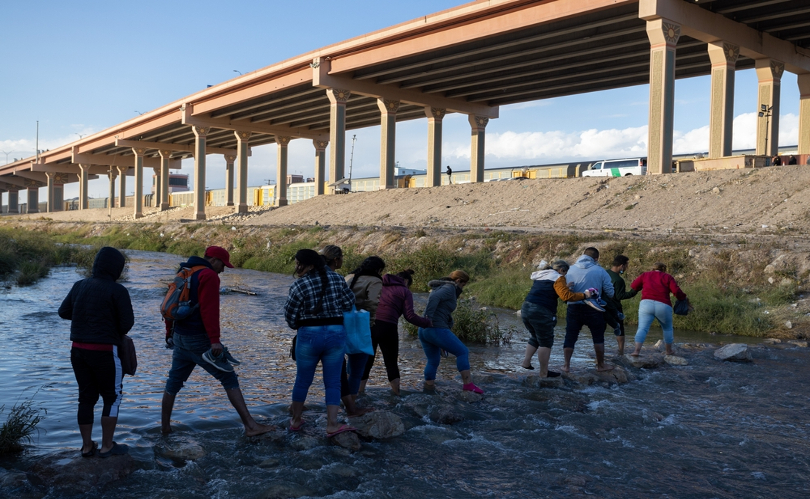
Bishop Barron warned his fellow American bishops against what he called ‘demonization’ of the Trump administration during a heated immigration debate, urging restraint as criticism of federal enforcement and DHS funding grows louder. His remarks landed in the middle of a larger fight over policy, morality, and the role of the Church in politics, and they force Catholic leaders to choose how to speak about public officials without slipping into partisan attacks. The debate highlights tensions between pastoral care for migrants and sober judgments about government policy and funding priorities.
Barron’s point was straightforward: clergy should avoid turning policy disagreements into moral caricatures. He argued that bluntly demonizing elected officials undercuts the Church’s moral authority and alienates people who might otherwise be open to a religious case for compassion and order. That view pushes back at a strand of Church commentary that reads like a political campaign rather than a pastoral critique.
From a conservative angle this resonates because it calls for fair treatment of public servants and a sober accounting of what government can actually do. The Trump administration’s immigration policies stirred passion on all sides, but yelling about motives doesn’t change policy and often makes compromise impossible. Barron’s warning asks bishops to prioritize clarity and charity over rhetorical wins that inflame partisanship.
At the same time, critics rightly press the administration on enforcement practices and budget priorities at DHS. There is legitimate concern about how migrants are treated and how resources are allocated, and those issues deserve sustained moral attention. Yet the way leaders speak about these failures matters; framing policy errors as evil acts by an entire administration dismisses nuance and discourages constructive reforms.
The bishops who have been most vocal against the administration argue from a place of moral urgency, especially when people are suffering at the border. Their passion is real and often rooted in pastoral encounters with vulnerable families. Still, Barron’s reminder is that moral urgency does not justify rhetorical shortcuts that cross into demonization and blanket condemnation.
This is not a call to silence or to soft-pedaling injustice; it is a plea for precision and prudence. Leaders can critique policies robustly while acknowledging complexity and avoiding language that paints political opponents as morally bankrupt. That approach preserves the Church’s role as a moral teacher rather than a political mouthpiece, and it keeps open the possibility of persuading those who disagree.
Republicans and conservatives can hear a positive message here: moral argument wins when it appeals to reason and conscience, not when it relies on spectacle. If bishops frame their concerns in terms that speak to common good and lawfulness, they can build broader coalitions for humane, effective immigration solutions. That kind of persuasion matters more in the long run than point-scoring headlines.
Ultimately, the immigration debate will keep testing how religious leaders balance compassion with civic responsibility. Barron’s admonition against ‘demonization’ of the Trump admin invites a cooler tone, clearer distinctions, and a focus on policy fixes rather than demonology. If the Church wants to shape the national conversation, doing so with moral seriousness and rhetorical discipline will make its voice harder to ignore.
