
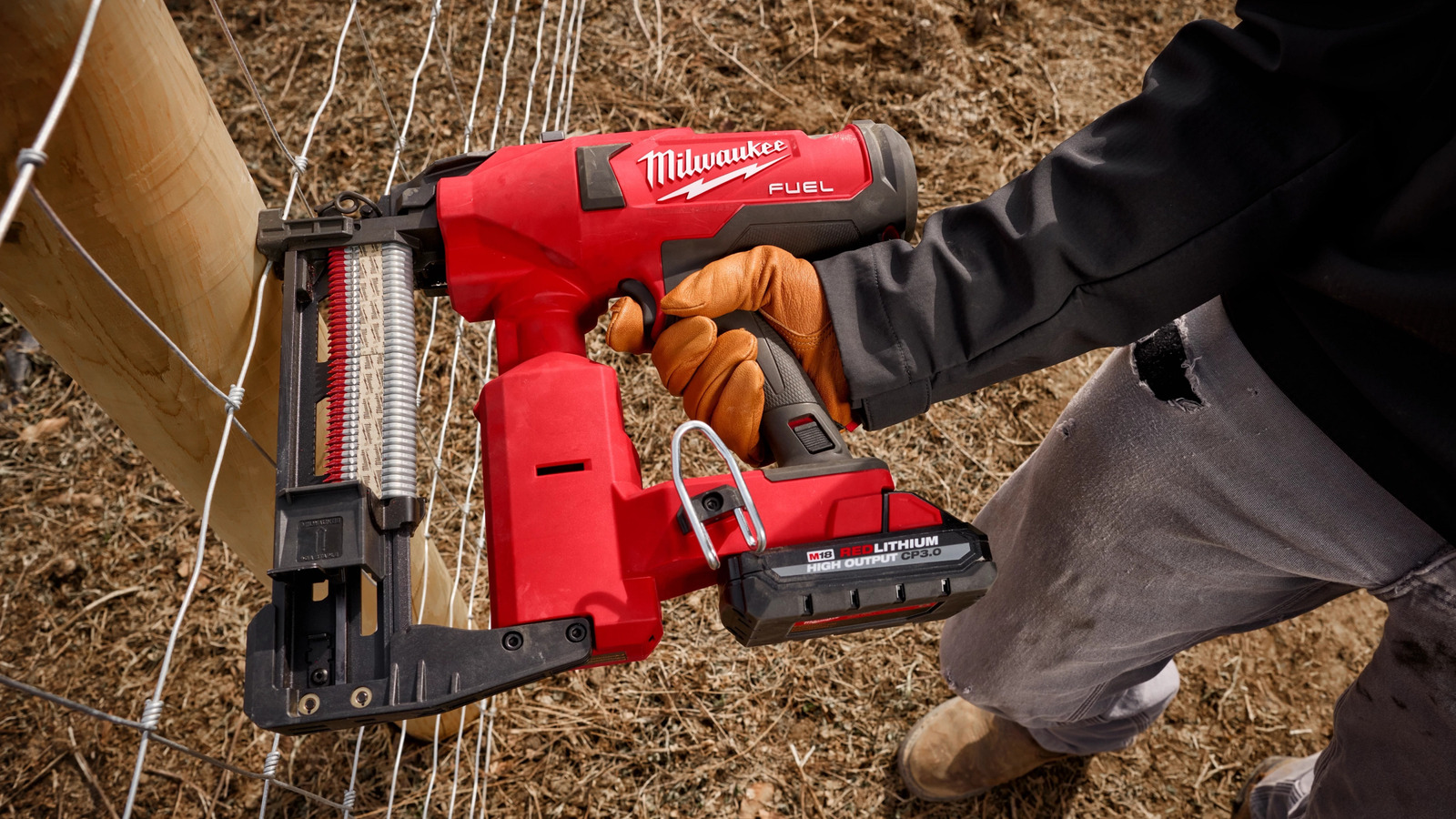
Shopping for higher-end power tools at Home Depot can be smart if you know what to look for. This article breaks down how to weigh value, read customer feedback, and spot real savings without getting swayed by brand names or flashy displays.
Walking into Home Depot feels like stepping into a toolbox on steroids. Shelves are stacked with corded and cordless options, kits, bare tools, and accessories that can make choosing overwhelming unless you focus on performance and long-term use.
Price tags tell part of the story but not all of it. Higher cost can mean better components, longer warranties, and serviceability, but sometimes it just buys marketing; check specs like motor type, torque, battery capacity, and compatibility before assuming expensive equals superior.
Customer reviews are a goldmine when used right. Look for consistent patterns in reports about reliability, battery life, or customer service rather than one-off complaints; a dozen similar notes about overheating or premature wear are worth more than five-star hype that’s vague and short on detail.
Don’t ignore in-store advantages. Hands-on feel matters for ergonomics and balance, and demo units at the store let you test triggers, grips, and vibration—things spec sheets don’t capture. Staff can point to rebates, price-matching policies, and occasional open-box deals that shave dollars off high-ticket items.
Brand ecosystems deserve extra attention, especially with cordless tools. If you invest in a battery platform, factor the cost of additional batteries and chargers; a cheaper tool on a platform you already own can be a smarter buy than an expensive standalone model that locks you into new batteries and accessories.
Look beyond the tool to the support that backs it. Warranties, local service centers, and return policies influence long-term satisfaction far more than a glossy finish. Home Depot’s return window and network of service options can tip a marginal decision toward a purchase that stays useful for years.
Accessories and consumables add up fast, so plan for total ownership cost. Chains, blades, bits, and batteries often determine whether a tool remains practical or becomes an expensive paperweight. Buying compatible accessories or stocking up during sales reduces surprises later when the project is already underway.
Keep seasonal timing in mind to stretch your dollars. Major sale events and occasional clearance aisles are prime times to pick up higher-end units at steep discounts. If you can wait for a sale or find an open-box piece in good shape, you can often land professional-grade tools for a fraction of the usual price.
When comparing options, make the checklist your best friend: power, run time, ergonomics, service, and ecosystem compatibility. Treat reviews as one input among several and lean on in-store testing and warranty details to make the final call. That approach reduces regret and helps your toolbox grow with tools you actually use for years to come.
