
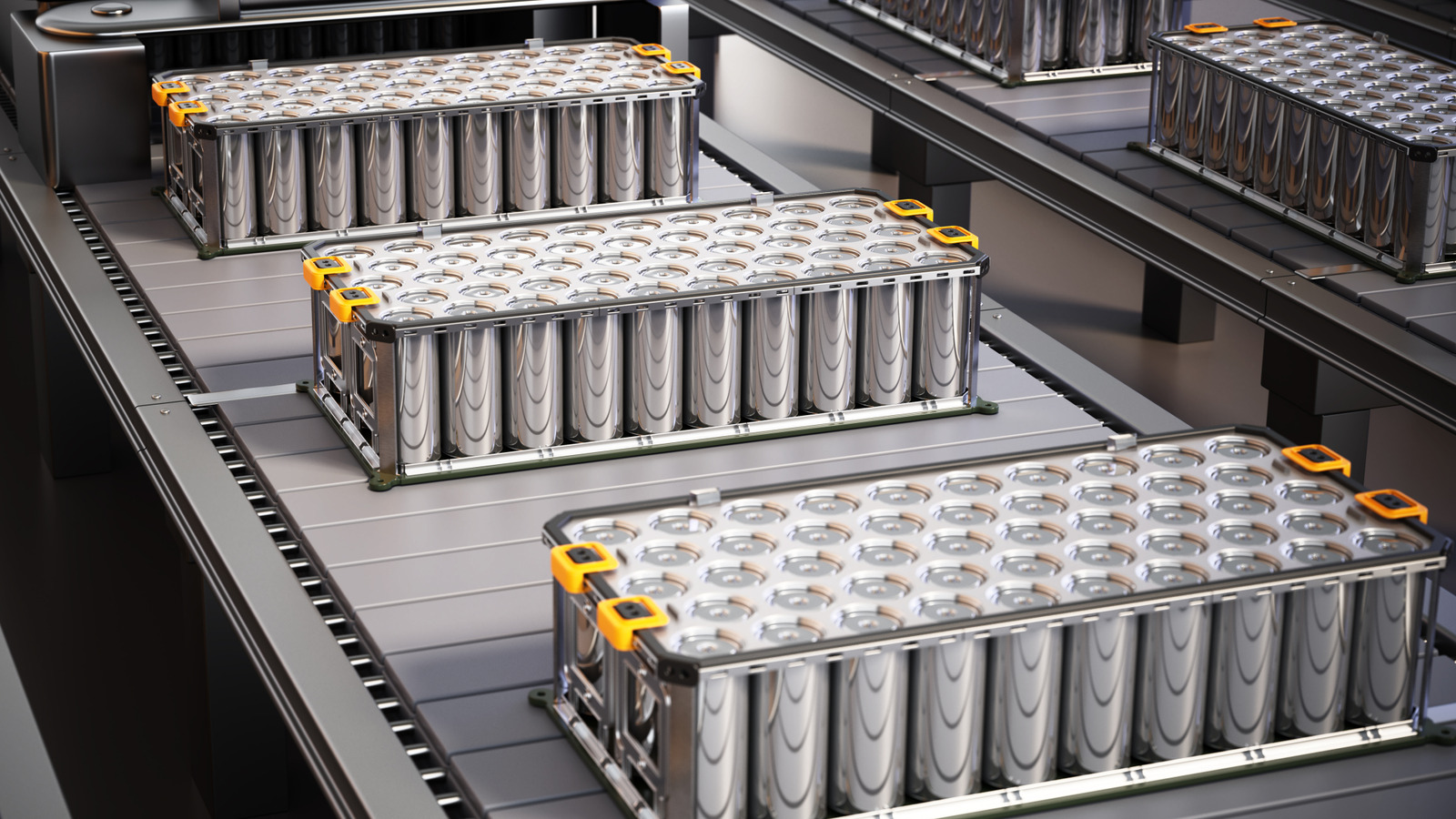
Lithium batteries dominate our phones, cars, and many grid projects, but they carry real costs in price, supply chain stress, and environmental impact. This article walks through how an all-iron battery could change the math, what it can realistically deliver, and the practical hurdles between lab prototypes and everyday use. Expect a clear look at advantages, tradeoffs, manufacturing implications, and where iron chemistry might actually win.
Battery tech is always a balance between energy density, cost, and durability, and lithium has won because it checks many boxes for high-energy applications. That win comes with a price: lithium is pricier, relies on concentrated supply chains, and can create safety and recycling headaches. People notice those downsides when they think about scaling storage for the grid or reducing material bottlenecks for vehicle production.
All-iron batteries bring a different set of priorities to the table: iron is abundant, cheap, and widely available, which immediately cuts raw-material exposure. That abundance translates to potential cost stability and easier sourcing, especially for regions without access to lithium mines. For grid-scale storage and stationary systems, those economics could tilt projects that are currently marginal into something affordable.
Safety is another selling point for iron chemistry. Iron-based cells tend not to catch fire the way some lithium chemistries can under abuse, and that reduces complexity in system design and emergency planning. Lower fire risk also makes permitting and installation simpler in denser urban environments where safety requirements can inflate project costs. That matters when you’re building large arrays of batteries in tight spaces.
Performance tradeoffs are real: iron batteries generally offer lower energy density, so they are bulkier for the same stored energy when compared to lithium packs. That limits their appeal for cars and portable electronics where space and weight are critical. However, for stationary applications like microgrids, backup power, and load-shifting, volume is often cheaper than expensive lithium cells.
Cycle life and calendar life are where iron chemistry can shine if engineered right, with some designs promising thousands of stable cycles without dramatic capacity fade. Long life reduces total cost of ownership and minimizes waste streams from battery replacement. If the chemistry proves durable across real-world temperature swings and duty cycles, that longevity alone could justify wider adoption.
Manufacturing is another story: iron batteries might avoid some rare minerals, but they demand different fabrication techniques and supply chains for electrodes and electrolytes. Existing lithium battery factories can’t simply swap in iron cells without retooling, and that capital expense slows adoption. Startups and legacy manufacturers will need incentives or clear market demand to build production lines at scale.
Recycling and end-of-life handling could be simpler with iron-based systems because iron is already a highly recycled metal with established industrial streams. That could lower environmental impact and reduce the complexity of closed-loop programs. But the full environmental accounting depends on the rest of the cell chemistry and the manufacturing footprint, so it is not automatic.
Real-world pilots matter: universities and companies are testing iron-based prototypes for multi-hour storage and frequency response services on grids. Those projects will reveal issues that lab metrics don’t catch, like how systems behave under partial state-of-charge, variable temperatures, and decades of cycling. Operational data will decide whether iron battery economics hold up outside controlled conditions.
Wider adoption will also hinge on policy and procurement choices that favor long-life, low-cost storage over pure energy density. Utilities, municipalities, and large industrial customers can shift markets rapidly by selecting technologies that optimize for system-level value rather than headline energy numbers. That kind of demand signal could accelerate investment in iron manufacturing capacity.
Expect incremental wins rather than an overnight replacement of lithium. Iron batteries could become a dependable, lower-cost option where space is available and safety matters more than compactness, and if early deployments deliver on promised lifetimes and costs, we will see them multiply quickly. Watch pilot performance, factory announcements, and procurement trends to know whether iron chemistry is moving beyond promise into real-world impact.
