
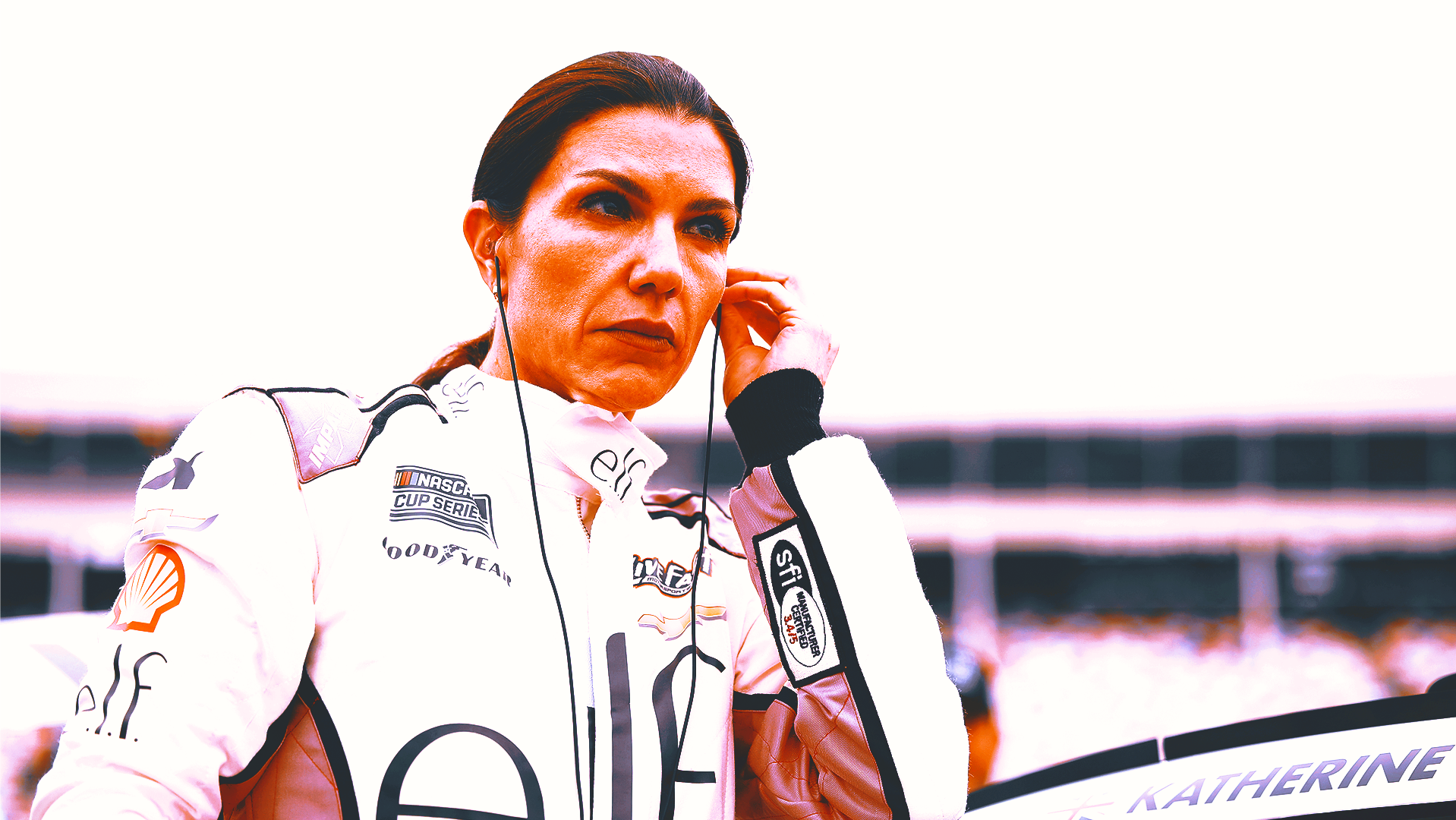
Tracking Katherine Legge’s historic attempt at The Double, the Indy 500 and the Coca-Cola 600. This piece follows the logistics, history, and grit behind one driver trying to race twice in one day, and why it matters to fans and the sport. Expect a clear look at the challenges, timing, and what a successful run would mean for Legge and motorsports.
Katherine Legge stepping up to attempt The Double is more than a headline stunt. It is a test of endurance, split-second planning, and coordination between teams across two very different racing worlds. The Indy 500 and the Coca-Cola 600 demand different cars, strategies, and mindsets, and attempting both in one calendar day is a rare logistical feat.
Historically only a handful of drivers have tried The Double, and those who did paid a high physical price. The day starts with the brutal, stop-and-go intensity of IndyCar, then pivots to the high-speed, long-duration grind of NASCAR. That shift requires rapid adaptation on the part of the driver, the engineers, and the pit crews who must synchronize travel, refueling windows, and practice time.
On paper the schedule looks impossible but it has been done. Flights between Indianapolis and Charlotte, tight turnarounds, and contingency plans for weather or delays become part of the race strategy. For Legge, coordination means making sure her IndyCar run ends early enough to reach the NASCAR grid, while also ensuring she is not physically depleted before the 600 miles begin.
The human element can get lost amid logistics, but it is central. Drivers face fatigue, heat, and the strain of repeated high-G turns that sap concentration. Legge will need not just peak fitness but mental focus to switch driving styles and braking points without a full reset. This is not a press junket; it is a grueling double shift at 200 miles per hour.
Teams play a starring role behind the scenes. Mechanics must pre-prep two different setups, coordinate helmet and communication systems, and be ready for repairs under compressed timelines. The pit crews have to treat the effort like a relay, passing the baton cleanly from one garage to another while keeping the driver’s health and safety top of mind.
From a broader view, attempts like Legge’s spotlight the connections and contrasts between American open-wheel and stock-car traditions. Fans get to see cross-discipline skill translated live, and promoters get a storyline that can draw attention beyond typical followings. For women in motorsport, a visible, credible Double attempt amplifies conversations about opportunity and representation.
There are risks, of course, and safety is not negotiable. Racing authorities, medical staff, and the teams work to ensure a driver attempting both events does so within accepted safety margins. If anything, the scrutiny on procedure, from physical evaluations to mandatory rest windows, becomes stricter for a Double attempt than for a single event.
Whatever the outcome, Legge’s pursuit adds a pulse of drama to race day. It challenges conventions and forces teams to innovate on scheduling and support. For spectators it offers the rare thrill of watching someone try to reframe what a single day of racing can be.
